
Beautiful Plants For Your Interior
Beautiful Plants For Your Interior
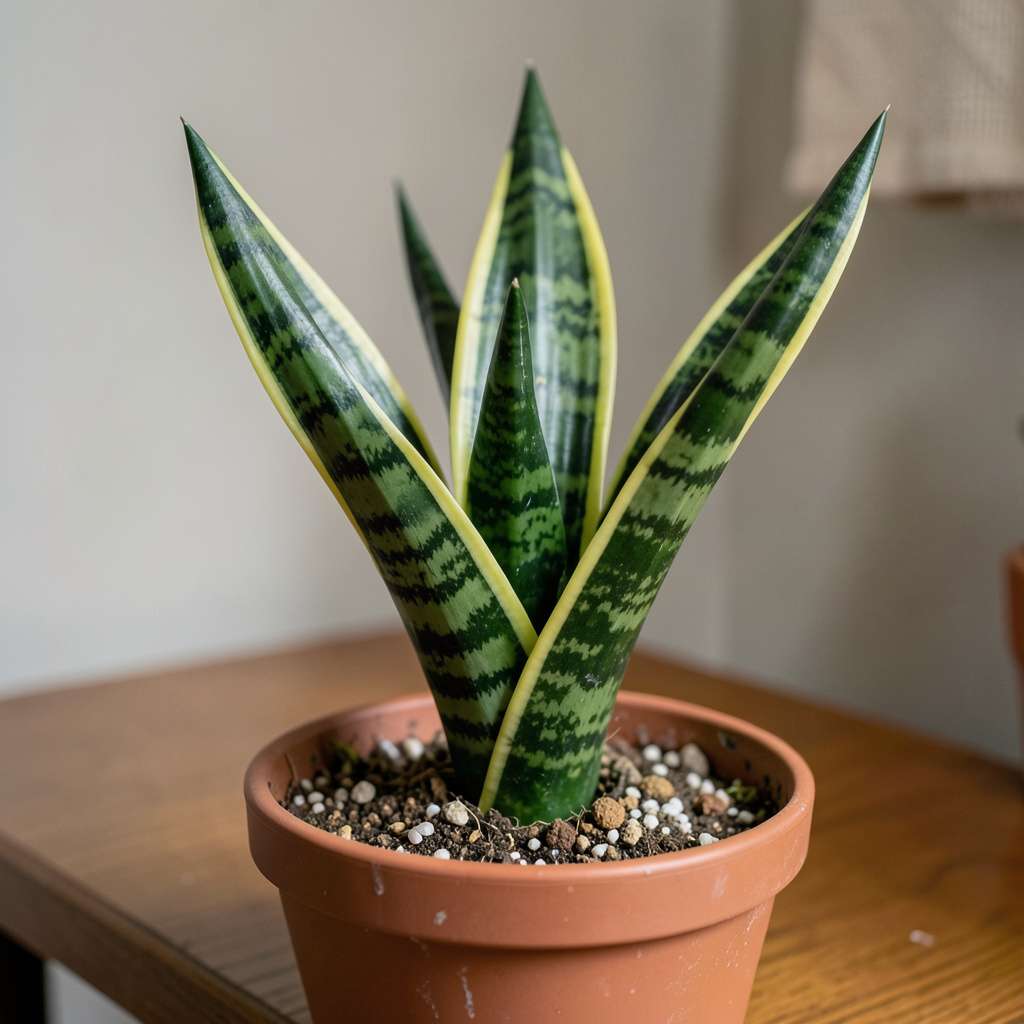
Snake plants are toxic to cats due to saponins that cause nausea, vomiting, and diarrhea if ingested. Even small amounts can irritate a cat’s mouth and digestive system.
I’ve seen firsthand how curious cats can’t resist chewing on houseplants, and snake plants are particularly risky because their saponins trigger immediate irritation. 🐱 The real danger isn’t just the vomiting—it’s how quickly symptoms can escalate if your cat ingests even a small piece of leaf. What makes this especially tricky is that snake plants are so common in homes, often placed in easy-to-reach spots like windowsills or coffee tables.
From my experience working with pet owners, the most surprising reactions come from the plant’s fibrous texture, which can cause physical blockages in addition to chemical irritation. That’s why I always recommend keeping these plants completely out of paws’ reach—even if your cat normally ignores greenery. 💡
💡 In This Article
The toxicity comes from saponins—natural chemical compounds found in snake plants that serve as a defense mechanism against pests. When cats chew on the leaves, these saponins immediately irritate the mouth and throat, causing excessive drooling and discomfort.
The real trouble starts when these compounds reach the stomach, where they disrupt cell membranes in the digestive lining, triggering nausea and vomiting within 1-2 hours of ingestion. 🔥
What makes saponins particularly dangerous is their foaming action. In the digestive tract, they create a soap-like lather that damages delicate tissues. A cat’s small size means even 1-2 bites of snake plant can cause noticeable symptoms, while larger ingestions may lead to diarrhea or loss of appetite for 12-24 hours.
The fibrous nature of snake plant leaves also poses a physical risk, potentially causing intestinal blockages if swallowed in chunks. ✨
Cats are especially vulnerable because their grooming habits mean they’ll ingest any plant residue left on their paws or fur. The ASPCA classifies snake plants as toxic to both cats and dogs, though felines show more severe reactions due to their smaller size and faster metabolism.
Symptoms to watch for include pawing at the mouth, lip smacking, and sudden lethargy—all signs the saponins are taking effect. 💡
Compared to other toxic houseplants like lilies (which cause kidney failure) or pothos (which contains calcium oxalate crystals), snake plants cause milder but more immediate reactions. The saponin concentration is highest in the plant’s sap, so even small puncture wounds from chewing can release enough irritants to cause problems.
This is why I always recommend keeping snake plants in hanging baskets or high shelves—completely out of curious paws’ reach. ⚡
Interestingly, the same saponins that make snake plants toxic also give them their air-purifying qualities. These compounds help the plant absorb volatile organic compounds from the air, which is great for humans but dangerous for pets.
The concentration of saponins varies by plant size, with mature snake plants containing up to 3x more of these compounds than young shoots. 🌱
If you suspect your cat has nibbled on a snake plant, watch for these progression patterns:
The good news is that snake plant poisoning is rarely fatal, but it can make your cat miserable for 24-48 hours.
The key is preventing access entirely—cats can’t resist the swaying leaves, and even well-behaved pets may chew when bored or stressed. I’ve seen cases where cats who normally ignore plants suddenly take interest during moves or when new pets are introduced to the household. 💫
Remove any plant material from their mouth immediately and offer fresh water. Watch for drooling, vomiting, or lethargy. If symptoms appear or you suspect they ingested more than a tiny nibble, call your vet or ASPCA Poison Control (888-426-4435) right away.
Place plants in hanging baskets or on high shelves. Use double-sided tape around pots—cats dislike sticky textures. Provide cat grass as a safe alternative. For stubborn cats, try pet-safe bitter sprays on leaves (test first to avoid plant damage).
No, all snake plant varieties (including popular types like Sansevieria trifasciata and Sansevieria cylindrica) contain the same toxic saponins. The concentration varies slightly, but no variety is considered completely safe for feline consumption.
Mild cases typically resolve within 24-48 hours with supportive care. Severe reactions (persistent vomiting, diarrhea) may require veterinary treatment and could last 3-5 days. Always monitor hydration—offer ice chips if your cat refuses water.
Single exposures rarely cause lasting problems, but repeated ingestions could lead to chronic digestive irritation. The bigger risk comes from dehydration during vomiting episodes. With prompt treatment, most cats recover fully without permanent effects.
