
Beautiful Plants For Your Interior
Beautiful Plants For Your Interior
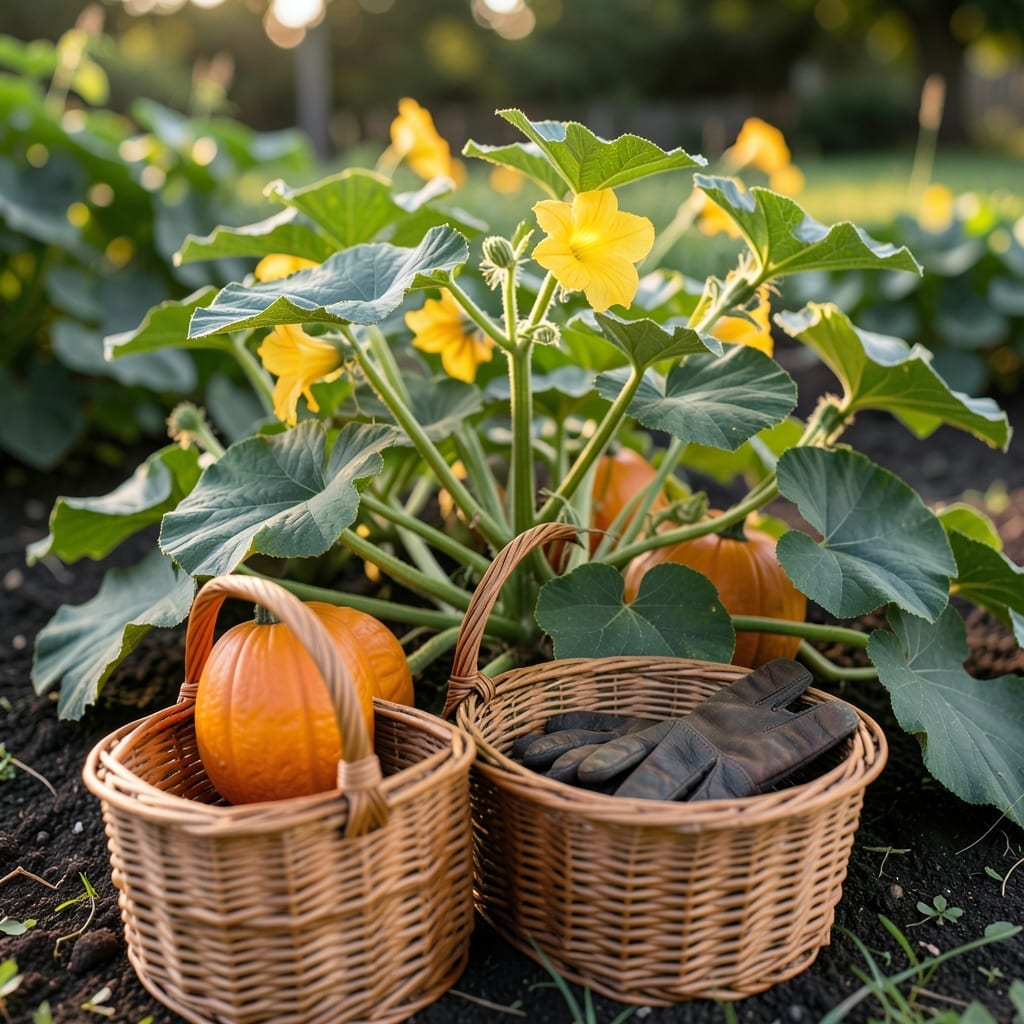
Yes, most small pumpkins are edible, especially varieties like Sugar Pie, Jack Be Little, and Sweet Dumpling, which are prized for their sweet, tender flesh perfect for pies and soups.
I love working with these compact varieties because they pack concentrated flavor into their thick, smooth walls. Their smaller size means less waste and more uniform cooking, which is ideal for baking or roasting whole. They’re also easier to handle than their giant counterparts, making them perfect for home cooks. 🔥
💡 In This Article
Small pumpkins like Sugar Pie contain 10-12% natural sugars, nearly double that of large carving varieties. This higher sugar content develops as the fruit matures on the vine, creating a sweeter, more flavorful flesh ideal for desserts. The flesh texture is also denser and finer-grained, with fewer stringy fibers than their larger cousins. 🔥
Jack Be Little pumpkins typically weigh just 4-8 oz each but pack intense flavor in their 1/4-inch thick walls. Their size makes them perfect for individual servings—roast whole at 375°F for 20-25 minutes until the skin softens and the interior reaches a custard-like consistency. Sweet Dumpling varieties offer a nutty undertone similar to butternut squash.
What sets these edible varieties apart is their breeding history. Unlike decorative mini pumpkins grown for appearance, culinary types are selected for flesh quality over generations. The rind of edible small pumpkins tends to be more tender when cooked, sometimes even edible when roasted. This is due to lower lignin content in the cell walls.
The color of the flesh can indicate flavor too. Deep orange varieties like Sugar Pie contain more beta-carotene (7,000 IU per 100g), which converts to vitamin A in the body. Pale yellow or white-fleshed types tend to be milder and starchier, better suited for savory dishes.
The skin color doesn’t affect edibility, but deeper green or blue pumpkins often have thicker, tougher rinds. ✨
For best results, choose pumpkins that feel heavy for their size with firm, unblemished skin. Avoid any with soft spots or mold, as these can indicate spoilage. The stem should be dry and woody, not green or moist, which suggests the pumpkin was picked too early and may lack developed flavor.
Check for a hard, dry stem and firm skin without soft spots. Edible varieties like Sugar Pie or Jack Be Little feel heavy for their size. Avoid decorative types labeled as “ornamental” or “craft” pumpkins.
Not always! The skin of edible small pumpkins softens when roasted whole at 375°F for 20-25 minutes. For cubed recipes, peel after roasting for easier handling. The skin is thin and edible in most culinary varieties.
Store in airtight containers in the fridge for up to 5 days. For longer storage, freeze in portions for up to 3 months. Always cool completely before sealing to prevent ice crystals.
Blandness often means it was harvested too early or isn’t a culinary variety. Deep orange flesh varieties like Sugar Pie have higher sugar content. Roasting concentrates flavors better than boiling.