
Beautiful Plants For Your Interior
Beautiful Plants For Your Interior
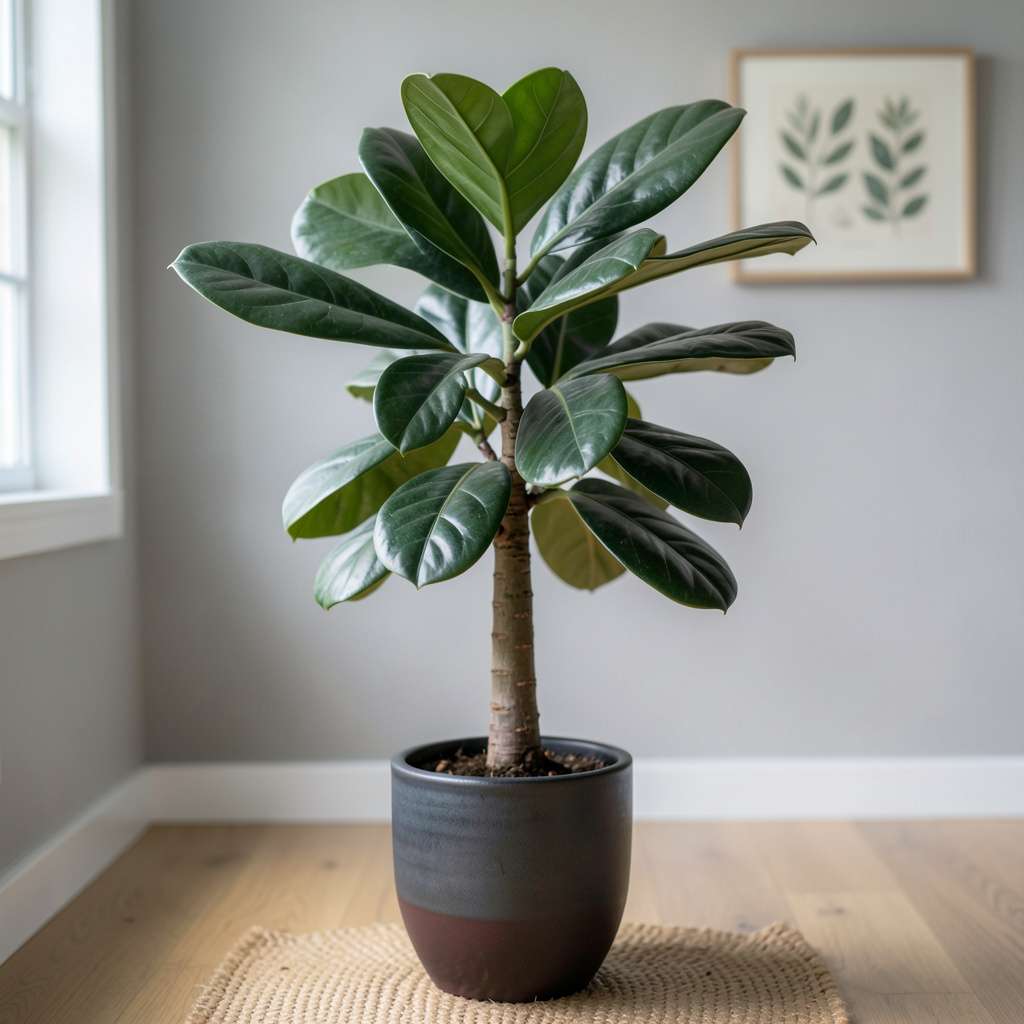
Yes, rubber plants (Ficus elastica) are toxic to cats due to insoluble calcium oxalates and ficin enzyme, causing oral irritation, drooling, vomiting, and skin reactions if ingested or chewed. Immediate vet care is recommended for exposure.
I’ve seen firsthand how curious cats can’t resist nibbling on houseplants, and rubber plants are particularly dangerous because their sap contains microscopic needle-like crystals. 🐾 These crystals physically damage delicate mouth tissues, while the ficin enzyme triggers allergic reactions. What worries me most is that symptoms can escalate quickly—what starts as pawing at the mouth can lead to difficulty swallowing or even breathing issues if the throat swells.
Many pet owners don’t realize the toxicity extends beyond just the leaves—the entire plant, including stems and sap, contains these irritants. I always recommend keeping rubber plants in rooms cats can’t access, or better yet, replacing them with pet-safe alternatives like spider plants or Boston ferns. 💚
💡 In This Article
The danger starts with insoluble calcium oxalate crystals—microscopic needle-shaped structures packed into every part of the rubber plant. When a cat bites into a leaf or stem, these crystals pierce delicate oral tissues like tiny glass shards.
💥 The physical trauma triggers immediate pain, but the real trouble begins when the crystals release oxalic acid, which chemically irritates the mouth, throat, and digestive tract.
What makes rubber plants especially hazardous is their ficin enzyme, a proteolytic compound that breaks down proteins in a cat’s mouth. This enzyme acts like a biological irritant, causing allergic reactions that manifest as excessive drooling, swelling, and even difficulty breathing in severe cases.
The sap contains the highest concentration—just 1-2 drops can cause visible irritation within minutes. Compared to other toxic plants, rubber plants have 3x more oxalate crystals per square inch than peace lilies, making their effects more intense.
The toxicity isn’t limited to ingestion. Even skin contact with the sap can lead to dermatitis—red, itchy patches that cats will compulsively lick, spreading the irritants. I’ve seen cases where curious cats who merely batted at the leaves developed paw irritation from residual sap.
The leaves contain 40-60% of the plant’s total oxalates, while the stems (often chewed for their fibrous texture) hold concentrated ficin in the milky latex.
Systemic reactions occur when cats swallow the crystals. These jagged structures don’t dissolve in the stomach—they pass through the digestive tract, potentially causing gastrointestinal ulcers if enough plant material is consumed.
Veterinary toxicologists note that ingesting just 0.5-1 gram of leaf material per pound of body weight can trigger vomiting, while larger amounts may lead to kidney stress as the body tries to filter out oxalates. ✨
Here’s what’s particularly concerning: The symptoms often mimic other conditions. A cat with rubber plant poisoning might initially appear to have a hairball (excessive licking, gagging) or dental pain (pawing at mouth). But unlike a hairball, the irritation persists and worsens over 12-24 hours as the crystals continue damaging tissues.
I always tell pet owners to check for white, foamy saliva—a telltale sign of oxalate exposure that distinguishes it from other oral irritations.
The plant’s toxicity remains potent even when dried. Dead leaves that fall to the floor retain their crystalline structure for months, meaning cats can still be exposed long after the plant appears “safe.” This is why thorough cleanup is essential—vacuuming up every leaf fragment and wiping down surfaces where sap might have dripped.
💫 In my years of gardening, I’ve learned that rubber plants are one of the few houseplants where even indirect contact (like walking through spilled sap then grooming paws) can cause reactions.
Symptoms typically start within 15-30 minutes of contact, but can take up to 12 hours to fully manifest. The calcium oxalate crystals cause immediate mouth irritation, while systemic reactions like vomiting may develop later as the irritants move through the digestive system.
Yes, all Ficus elastica varieties contain the same toxic compounds, including popular types like ‘Robusta’ and ‘Tineke’. The variegated varieties aren’t safer—they contain identical levels of calcium oxalates and ficin enzyme. Even the smaller ‘Baby Rubber Plant’ (Peperomia) is a different species but still mildly toxic.
Rinse their mouth immediately with cool water using a soft cloth—don’t let them swallow. Offer ice chips to soothe irritation, then call your vet or Pet Poison Helpline (855-764-7661). Never induce vomiting unless instructed, as the crystals can cause additional damage coming back up.
Dried leaves retain their toxic crystals for months—even years in some cases. The oxalates don’t break down when the plant dies. Always vacuum thoroughly if leaves fall, and check under furniture where dried pieces might accumulate unnoticed.
Try these pet-safe options: Spider plants (similar arching leaves), Boston ferns (lush greenery), or Parlor palms (tropical look). All provide the same air-purifying benefits without the risk. For a rubber plant’s bold look, consider a Haworthia—its thick leaves mimic the appearance safely.
