
Beautiful Plants For Your Interior
Beautiful Plants For Your Interior
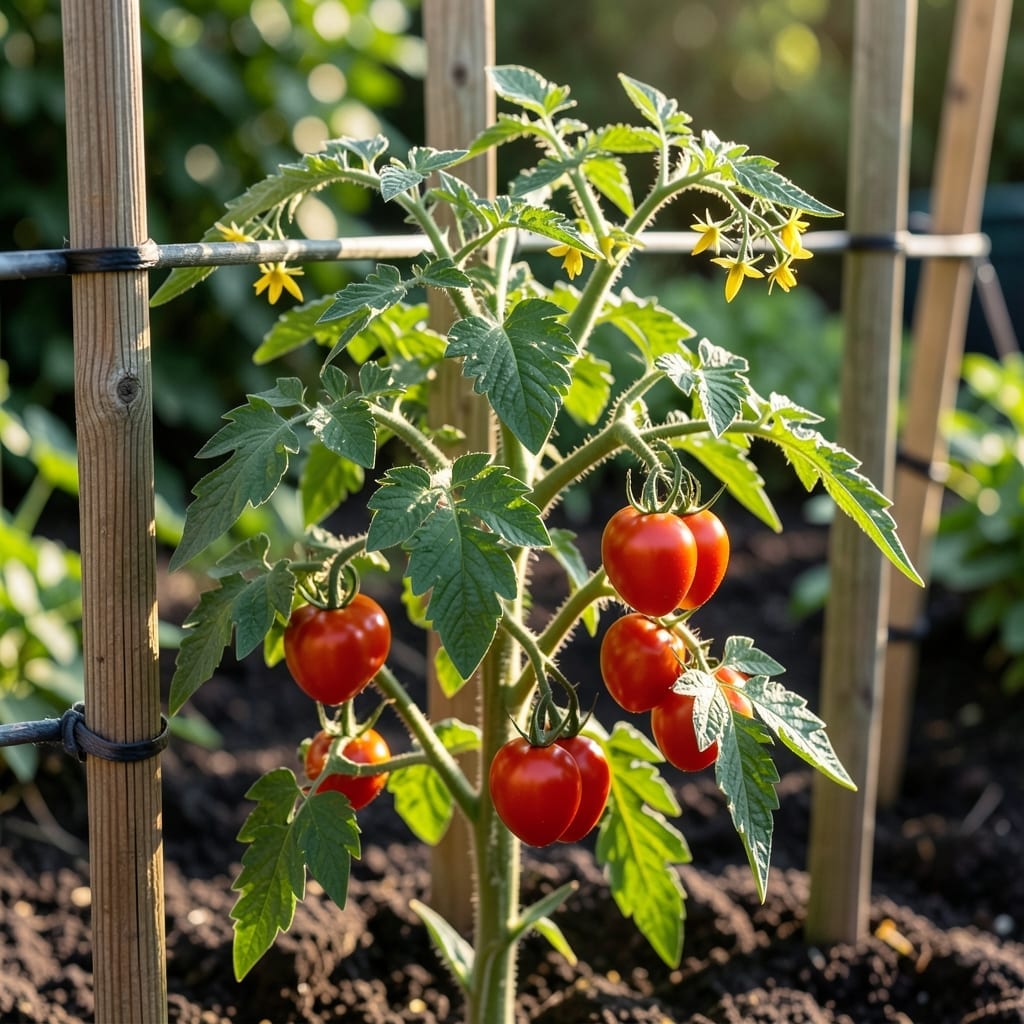
Roma tomatoes are typically determinate, meaning they grow to a set size, produce fruit all at once, and then stop growing. However, some hybrid varieties may be indeterminate.
Most classic Roma varieties are bred to be compact plants, making them perfect for container gardening or small spaces. This is because their determinate nature allows them to focus energy on a single harvest window rather than continuous growth. I’ve noticed hybrid versions sometimes break this mold, offering vining habits that extend production through the season. ✨
What this means for gardeners is predictable yields and easier management, especially in controlled environments. 🔥
💡 In This Article
Determinate tomatoes like classic Roma varieties have a predefined growth program. Their DNA triggers a terminal flower cluster at the tip of the main stem, capping vertical growth at about 3-4 feet. This genetic switch ensures energy diverts to fruit production rather than vine expansion, resulting in a concentrated harvest over 1-2 weeks. 🔥
Indeterminate varieties, by contrast, lack this genetic stop signal. They continue growing vines and producing flowers throughout the season until frost kills them. Some modern Roma hybrids have been bred to exhibit this vining trait, allowing for staggered harvests over 2-3 months.
The distinction comes down to a single gene mutation that affects auxin hormone regulation. ✨
For classic Romas, you’ll notice their bushy, compact form with sturdy stems that rarely need staking. The plants typically produce 8-12 fruit clusters before growth ceases. This makes them ideal for canning, as the entire crop ripens simultaneously. Traditional Italian heirloom Romas like ‘San Marzano’ exhibit this determinate pattern perfectly. 💫
Hybrid Romas like ‘Roma VF’ or ‘Super Roma’ often blur this line. These may show semi-determinate characteristics, growing taller than classic varieties but still with a more controlled habit than true indeterminates. The growth pattern can vary by climate too—cooler temperatures may cause even indeterminate types to behave more like determinates. ⚡
The practical difference appears in your garden layout. Determinate Romas need only 2-3 feet of space between plants, while indeterminate types require 3-4 feet and strong trellising. This genetic programming also affects water and nutrient needs, with determinates often requiring less consistent feeding after fruiting begins. 🌟
Check the growth habit: determinate plants stay compact at 3-4 feet, while indeterminate vines keep growing. Determinate Romas also produce all fruit at once, while indeterminate types yield continuously.
Avoid heavy pruning—it reduces yield since fruit forms on main stems. Only remove suckers below the first flower cluster. This keeps the plant’s energy focused on fruit production.
Use large containers of at least 10 gallons with tall trellises for indeterminate types. Smaller pots restrict root growth, limiting vine development and fruit production.
Hybrid varieties may have semi-determinate traits due to selective breeding. Climate can also influence growth—cooler temps may make indeterminates act more like determinates.