
Beautiful Plants For Your Interior
Beautiful Plants For Your Interior
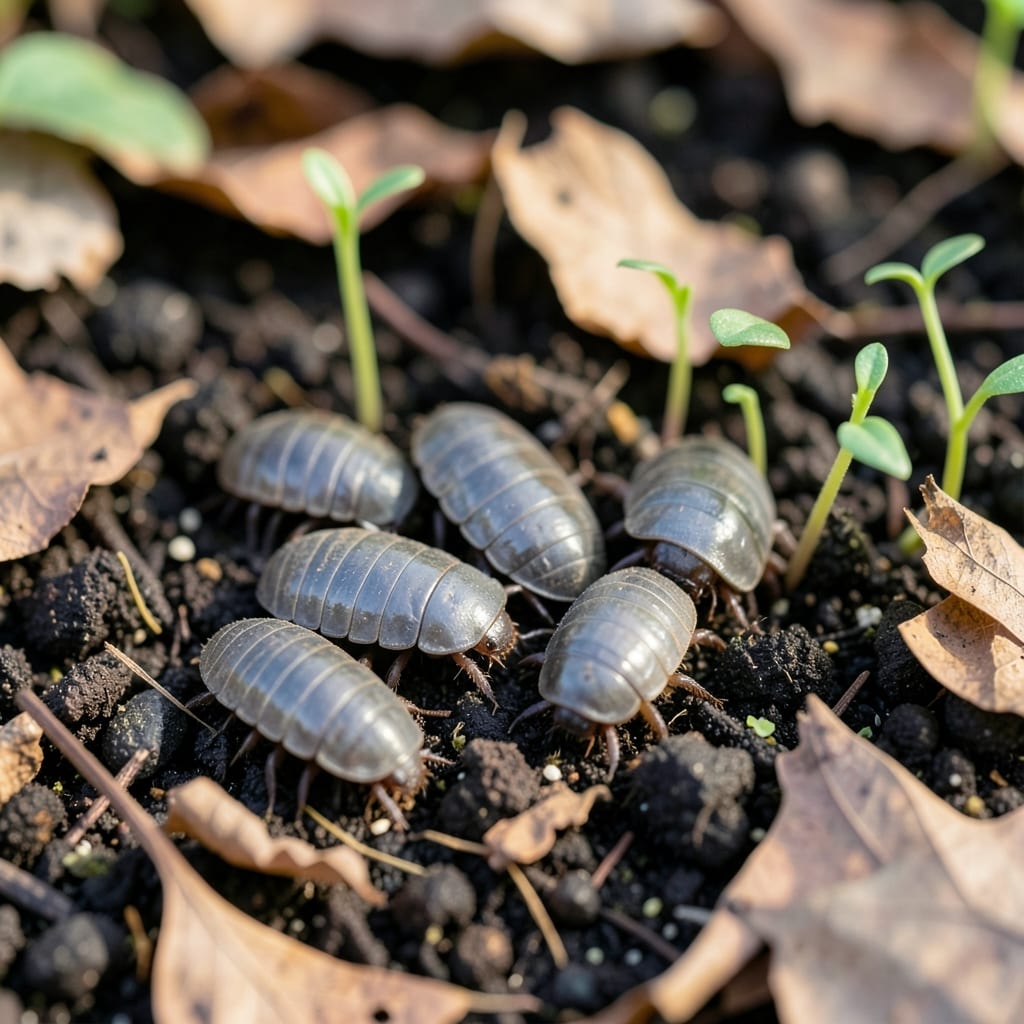
Rollie pollies, or pill bugs, are actually beneficial for gardens as they break down organic matter, recycle nutrients, and improve soil structure without harming plants.
I’ve noticed these tiny creatures thrive in damp, organic-rich environments, where they act as nature’s recyclers by consuming rotting leaves and wood. 🔥 Their presence signals a healthy soil ecosystem, and they help prevent plant diseases by reducing decaying material that could harbor pathogens. Plus, their burrowing aerates the soil, improving water and root penetration.
💡 In This Article
Pill bugs are detritivores, meaning they feed on decomposing plant material like fallen leaves, mulch, and dead roots. Their digestive systems break down complex carbon compounds into simpler organic matter, which they excrete as nutrient-rich frass.
This process accelerates decomposition by 30-40% compared to natural decay, rapidly returning vital minerals like nitrogen and phosphorus to the soil. 🔥
These creatures also improve soil structure through their movement. As they burrow through the top 2-3 inches of soil, they create tiny tunnels that enhance aeration and water infiltration. Studies show their activity can increase soil porosity by up to 25%, which directly benefits plant root development.
Their digging helps prevent soil compaction, a common issue in heavily trafficked garden areas. ✨
What most people don’t realize is that pill bugs play a crucial role in the nitrogen cycle. They consume decaying matter with a carbon-to-nitrogen ratio of about 20:1 to 30:1, which they convert into more balanced organic matter. This transformation makes nutrients more accessible to plants, effectively acting as a natural fertilizer.
Their presence indicates a well-balanced soil ecosystem. 💫
Unlike some garden pests, pill bugs don’t damage living plants. They lack the mouthparts to chew fresh foliage, focusing exclusively on dead or dying organic material. This selective feeding habit makes them completely safe for your garden’s vegetation.
In fact, their activity helps control potential disease vectors by removing rotting plant debris that might harbor fungal spores or bacteria. ⚡
Their moisture-loving nature also benefits the garden. Pill bugs seek out damp environments, and their presence often indicates proper soil hydration. By maintaining populations in your garden, you’re indirectly monitoring soil moisture levels. They thrive best in areas with 70-80% humidity, which coincidentally is ideal for most garden plants’ root zones. 🌟
No, they only eat decaying organic matter. Their mouthparts can’t damage healthy leaves or stems. They actually help prevent disease by removing rotting debris.
Keep soil moist with organic mulch like straw or wood chips. Leave leaf litter and small twigs in garden corners. Avoid chemical pesticides that harm them.
They’re seeking moisture, so check for damp wood or leaks. Gently relocate them outside to garden beds. They won’t survive long indoors without proper conditions.
No, their numbers naturally balance with available food. They reproduce slowly, laying just 24-28 eggs at a time. A thriving population simply means healthy soil.