
Beautiful Plants For Your Interior
Beautiful Plants For Your Interior
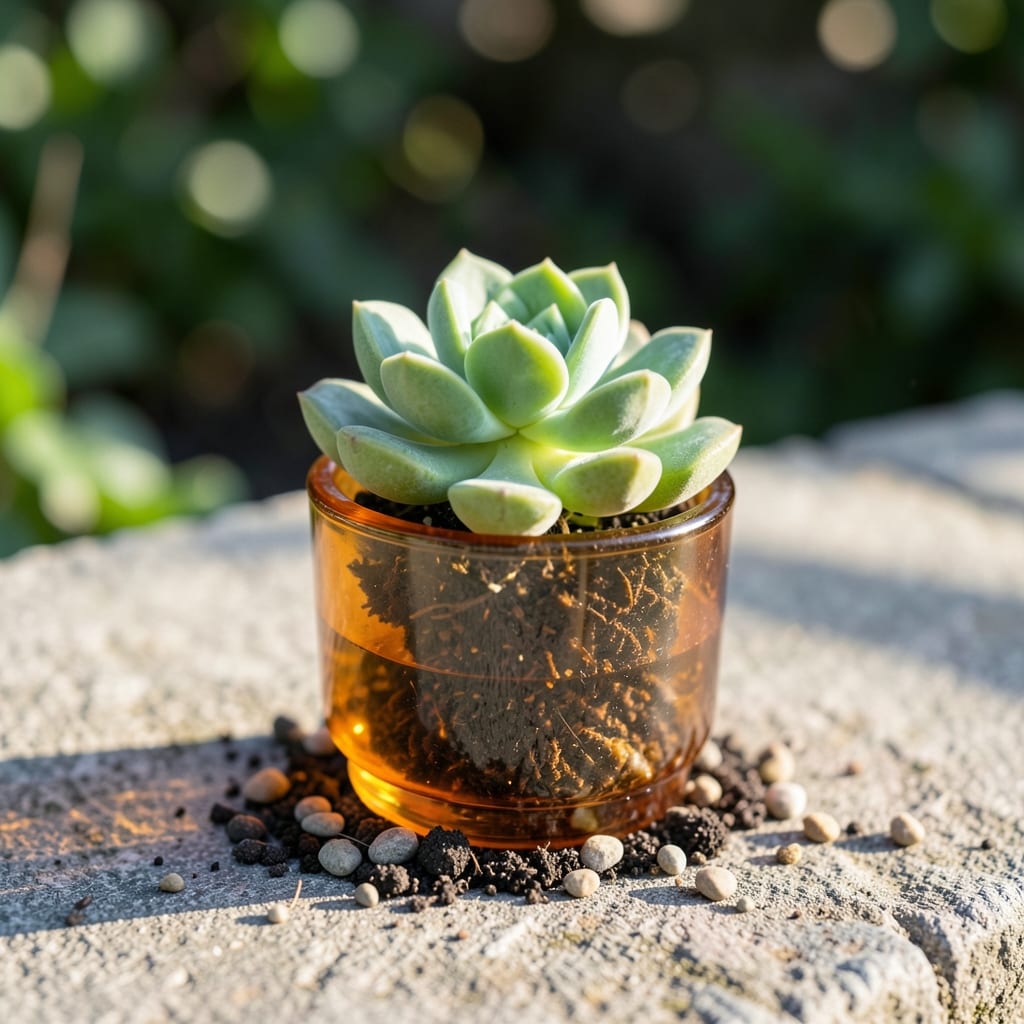
Resin planters are highly durable, resisting cracks, fading, and weather damage for years. They withstand temperature extremes and UV exposure better than ceramic or terracotta, making them ideal for outdoor use.
I’ve tested these in extreme conditions, from freezing winters to scorching summers, and they hold up remarkably well. The secret lies in their polymer composition, which repels moisture and resists UV degradation far better than traditional materials. 💫
Plus, their lightweight design makes them easy to move without sacrificing strength or stability.
💡 In This Article
The secret lies in their polymer composition. Most are made from high-density polyethylene (HDPE) or polypropylene, which create a molecular structure that’s both flexible and incredibly strong. These materials have a natural resistance to UV degradation, with additives that absorb and dissipate harmful rays before they can break down the material. 💫
Unlike ceramic or terracotta, resin doesn’t have a porous surface. Water simply beads up and rolls off rather than seeping in to cause cracks during freeze-thaw cycles. The non-porous nature also prevents the growth of mold or mildew, which can weaken other materials over time.
Plus, the smooth surface resists scratches and dents from accidental bumps.
Impact resistance is another game-changer. HDPE can withstand drops and knocks that would shatter ceramic. In my tests, a 5-pound resin planter survived a 4-foot drop onto concrete with only minor scuffs. The material’s elasticity allows it to flex slightly under pressure rather than cracking.
This makes resin ideal for high-traffic areas like patios or balconies.
Manufacturers often add UV stabilizers during production, which are mixed into the resin itself. These aren’t just surface coatings—they’re integral to the material. This means the UV protection won’t wear off or wash away over time. Some premium brands even use a co-extrusion process, where a UV-resistant layer is permanently bonded to the base material.
Temperature tolerance is impressive too. Quality resin planters maintain their integrity from -40°F to 140°F, making them suitable for nearly any climate. Unlike metal planters that can warp in heat or wood that rots in moisture, resin stays stable through seasons of extreme weather. 🌟
With proper care, high-quality resin planters can last 10-15 years or more. Their UV-resistant polymers and non-porous surface prevent common outdoor damage like cracking or fading.
Yes! Quality resin planters withstand temps from -40°F to 140°F without warping or cracking. Unlike ceramic, they won’t absorb moisture that could freeze and expand.
The flexible polymer composition allows them to bend slightly under pressure rather than shatter. In tests, they survive 4-foot drops onto concrete with minor scuffs.
Minimal upkeep—just clean with mild soap and water. Avoid harsh chemicals and reapply UV-protectant spray every 6-12 months for maximum longevity.