
Beautiful Plants For Your Interior
Beautiful Plants For Your Interior
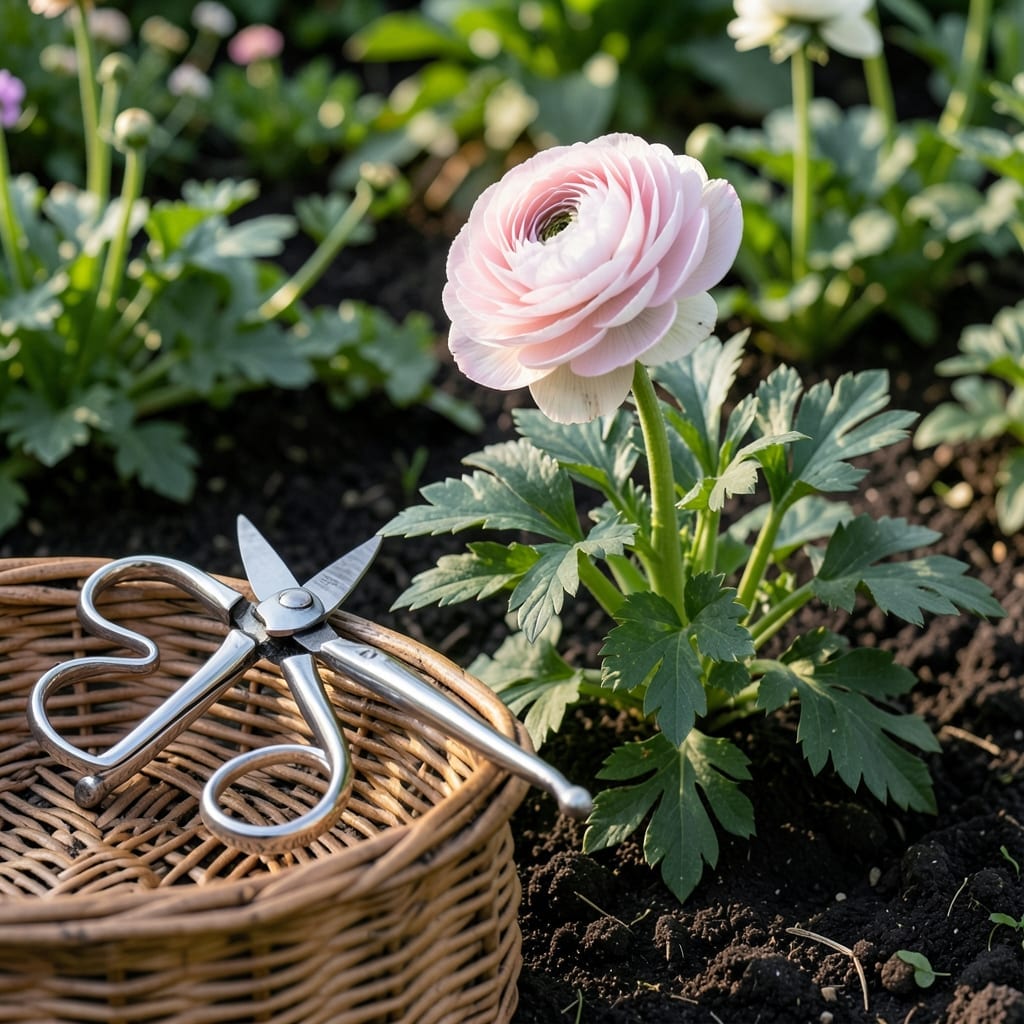
Ranunculus are not true cut-and-come-again flowers. Cutting stems may encourage limited regrowth from side shoots, but they typically produce one main flush of blooms per season.
I’ve noticed these flowers thrive best when left to complete their natural growth cycle. Their tuberous roots store energy for a single spectacular bloom period rather than continuous production. This makes them ideal for cutting gardens when you want a dramatic display, but don’t expect multiple harvests like you’d get from zinnia or cosmos. 💛
💡 In This Article
Ranunculus grow from tubers, which are underground storage organs packed with energy. These tubers fuel a single, intense blooming cycle by directing all their stored resources toward producing a burst of flowers in spring. Unlike perennials that regrow from roots, ranunculus tubers deplete their energy reserves during this process, leaving little for a second flush.
🔥
Each tuber typically produces 1-3 stems with multiple blooms per stem, but the plant’s biology prioritizes quantity over longevity. The flowers emerge sequentially along the stem, with each bloom lasting 5-7 days under ideal conditions. This staged production explains why you get a prolonged display rather than continuous reblooming.
The key factor is the tuber’s limited energy supply. After the initial bloom, the plant shifts focus to seed production rather than regenerating new stems. While cutting stems may trigger side shoots from latent buds, these are usually weaker and produce fewer flowers. The energy cost of regrowth often exceeds the plant’s remaining resources. ✨
Environmental conditions also play a role. Ranunculus thrive in cool spring temperatures (50-65°F) and struggle in heat above 75°F. Once summer arrives, the tubers enter dormancy, making additional blooming cycles nearly impossible without artificial cooling. This seasonal constraint further limits their cut-and-come-again potential.
For comparison, true cut-and-come-again flowers like zinnias or dahlias have fibrous root systems that continuously produce new growth. Ranunculus, however, behave more like tulips—offering a spectacular but finite display. Their beauty lies in the intensity of that single flush rather than repeated performances. 💫
Typically no. Each tuber produces 1-3 stems with a single flush of blooms. While cutting may trigger weak side shoots, these rarely produce a full second harvest.
Their tuber-based system stores energy for one spectacular bloom cycle. After flowering, the plant focuses on seed production rather than regrowth, unlike fibrous-rooted cut-and-come-again varieties.
Deadhead spent blooms daily and keep soil at 40-60% moisture. This redirects energy to new flowers, potentially adding 1-2 weeks to your display.
They thrive in cool spring weather between 50-65°F. Heat above 75°F triggers dormancy, ending the blooming cycle prematurely.