
Beautiful Plants For Your Interior
Beautiful Plants For Your Interior
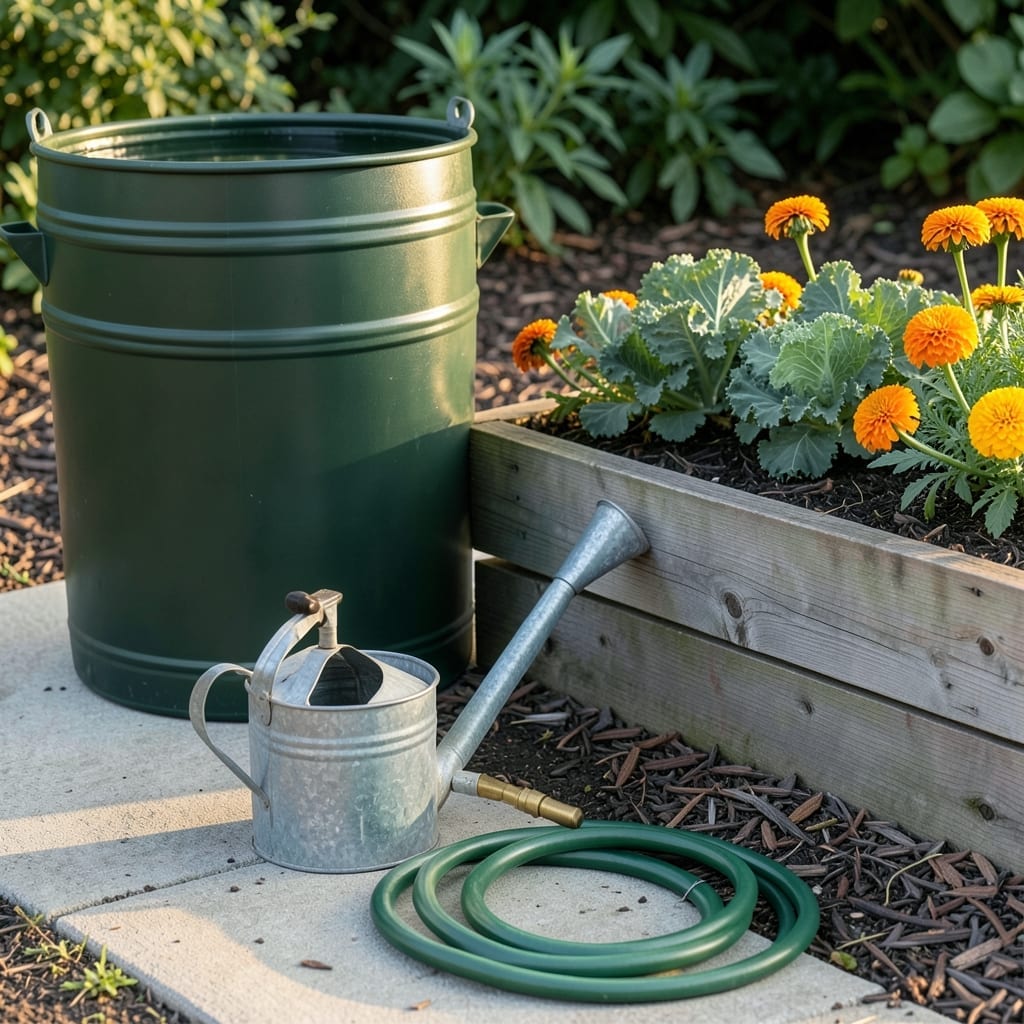
Rain barrels are worth it for most gardeners, cutting water bills by 30-50% while providing chemical-free irrigation. Initial costs pay off in 1-3 years with proper use and maintenance.
I’ve seen gardeners reduce their outdoor water use dramatically by harvesting roof runoff. The savings add up fast, especially in drought-prone areas where municipal water gets expensive. Plus, plants often respond better to natural rainwater than treated tap water, which can contain chlorine or other additives. 💫
What makes this investment smart is its simplicity and long-term payoff. A well-maintained system can last over a decade, and the environmental benefits extend beyond your yard by reducing stormwater runoff. ✨
💡 In This Article
A 1,000 sq ft roof can collect about 600 gallons of water from just 1 inch of rainfall. That’s enough to water a medium-sized garden for an entire week during dry spells.
The math becomes even more compelling in regions with consistent rainfall—like the Pacific Northwest, where homeowners can fill multiple barrels from a single storm. 🔥
Municipal water costs an average of $1.50 per 1,000 gallons in the US. By replacing just 30% of your outdoor water use with rainwater, a typical household saves $30-$50 monthly during growing season. Over 2-3 years, those savings completely offset the $100-$300 initial investment for a quality barrel and installation. ✨
The environmental impact adds another layer of value. Stormwater runoff from roofs carries pollutants into waterways. A single rain barrel can divert 1,300 gallons of runoff annually, protecting local ecosystems while nourishing your plants with chlorine-free water. This is particularly valuable for organic gardeners or those growing edibles. 💫
What most don’t realize is how rainwater benefits plant health. Unlike treated tap water, it contains natural nitrates that act as a mild fertilizer. I’ve noticed my vegetables grow more vigorously when watered with harvested rain—especially leafy greens and tomatoes, which respond noticeably to the softer water.
The difference in plant vitality often justifies the system on its own. ⚡
For maximum efficiency, connect multiple barrels in series. A 50-gallon barrel fills quickly during heavy downpours, but linking 3-4 barrels together creates a 150-200 gallon reserve. This setup ensures you have water during extended dry periods without taking up excessive space.
Most households save $30-$50 monthly during growing season by replacing 30% of outdoor water use. The system typically pays for itself in 2-3 years with proper maintenance.
A quality barrel, downspout diverter, and mesh screen are essential. Consider a stable platform and 1/2-inch hose for irrigation. First-flush diverters improve water quality by skipping initial runoff.
Yes for irrigation, but never drink untreated rainwater. It may contain roof contaminants or bacteria. The natural nitrates actually benefit plant growth, especially for vegetables and herbs.
A 50-gallon barrel works for most gardens. For larger spaces, connect 3-4 barrels in series to create a 150-200 gallon reserve for dry periods.