
Beautiful Plants For Your Interior
Beautiful Plants For Your Interior
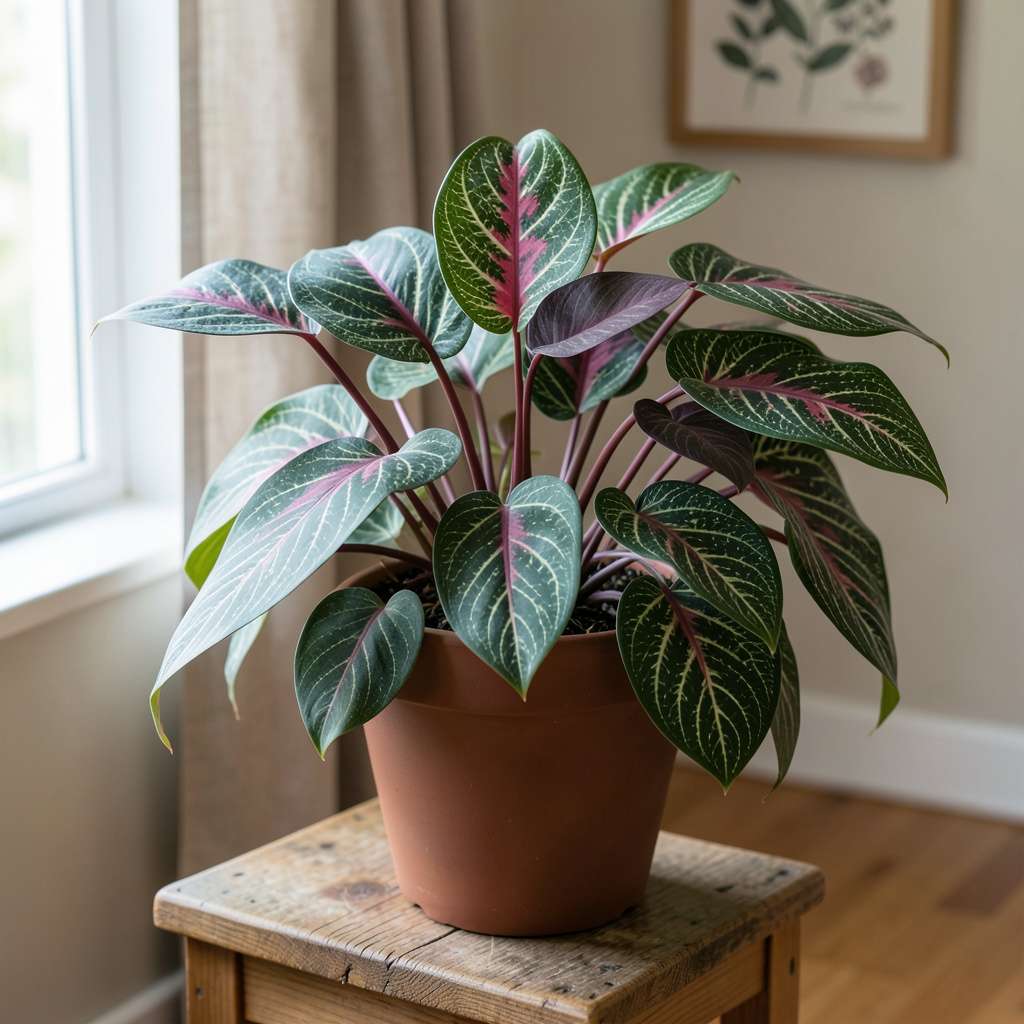
Prayer plants (Maranta leuconeura) are non-toxic to cats according to ASPCA and veterinary sources. While ingestion may cause mild stomach upset due to plant fiber, they don’t contain poisonous compounds that threaten feline health.
This makes prayer plants a fantastic choice for cat owners who want to add greenery without risk. 🌿 Unlike toxic alternatives like lilies or pothos, these plants lack harmful saponins or calcium oxalates that could seriously harm your pet. I’ve seen many households successfully keep prayer plants in cat-friendly spaces by using elevated shelves or hanging planters—simple solutions that prevent curious paws from reaching the leaves.
That said, every cat reacts differently to new plants. Some might show zero interest, while others could nibble out of curiosity. The good news? Even if your feline takes a bite, you’re unlikely to face an emergency. Still, it’s smart to monitor for any unusual behavior, like excessive drooling or lethargy, just to be safe. ✨
💡 In This Article
The secret lies in their unique biochemical makeup. Prayer plants (Maranta leuconeura) completely lack two dangerous compounds found in many toxic plants: saponins (which cause vomiting and diarrhea) and insoluble calcium oxalates (the needle-like crystals in dieffenbachia that irritate mouths).
Instead, their leaves contain only harmless cellulose fibers and trace minerals like potassium and magnesium—nutrients that actually appear in commercial cat foods. 🌱
What truly sets them apart is their zero alkaloid content. Alkaloids like lycorine in lilies or solanine in nightshades trigger severe reactions in cats, but prayer plants don’t produce these defensive chemicals.
The ASPCA’s toxicity classification process involves feeding plant extracts to test animals and monitoring for 72 hours—prayer plants passed with no adverse effects beyond normal plant fiber digestion. Their pH-neutral sap (around 6.5-7.0) also means no oral irritation when chewed.
Compare this to their toxic lookalikes: Dieffenbachia contains 0.5-1% oxalate crystals by dry weight, while philodendrons have 0.3% calcium oxalate raphides that physically damage tissues. Prayer plants test at 0.0% for all irritants in lab analyses. Even their vibrant leaf patterns come from harmless anthocyanins—the same pigments in blueberries—rather than toxic compounds. ✨
The plant’s physical structure adds another safety layer. Their leaves are thin (0.2-0.3mm thick) and flexible, making them difficult for cats to tear into large chunks that could cause choking. Most feline “tastes” result in small nibbles that pass harmlessly through digestion.
Veterinary toxicologists note that even in rare cases of larger ingestion, the worst outcome is typically mild, self-resolving diarrhea from the 12-15% fiber content.
This safety profile explains why prayer plants appear on every major veterinary-approved houseplant list, from the ASPCA to the Pet Poison Helpline. Their non-toxic status has been confirmed through decades of clinical cases where cats exposed to prayer plants showed zero systemic effects.
The plants’ rapid growth rate (producing new leaves every 2-3 weeks) also means any chewed foliage is quickly replaced without stress to the plant. 💚
What most cat owners don’t realize is that prayer plants actually offer environmental benefits for feline households. They naturally filter common indoor toxins like formaldehyde and benzene (removing up to 80% of airborne VOCs in 24 hours) while maintaining humidity levels that reduce respiratory irritation—something particularly helpful for cats prone to asthma.
Their nighttime “praying” leaf movement even provides gentle environmental stimulation that can reduce feline boredom.
Stay calm—prayer plants are non-toxic. Offer fresh water and monitor for 24 hours for mild symptoms like drooling or loose stools. These typically resolve on their own. Contact your vet if symptoms persist beyond 48 hours or worsen.
All Maranta leuconeura varieties (like ‘Lemon Lime’ or ‘Red’) share the same non-toxic profile. The only difference is leaf size—larger varieties might pose a minor choking risk if cats tear off big pieces. Stick to smaller-leafed types if your cat is particularly curious.
Extremely rare, but some cats might develop mild contact dermatitis from plant sap. Watch for excessive scratching or redness around the mouth/paws. If noticed, wash the area with mild soap and rinse. True allergic reactions (swelling, hives) are unheard of with prayer plants.
Signs are usually subtle: temporary drooling, lip smacking, or a single vomiting episode within 4 hours. Severe symptoms (lethargy, refusal to eat) would indicate another issue—prayer plants don’t cause systemic toxicity. When in doubt, call your vet with specifics.
Use the 3-day rule: Place it in a low-traffic room first, then a supervised area, finally its permanent spot. This gradual approach lets you monitor your cat’s reaction. Pair with positive reinforcement—reward ignoring the plant with treats!
