
Beautiful Plants For Your Interior
Beautiful Plants For Your Interior
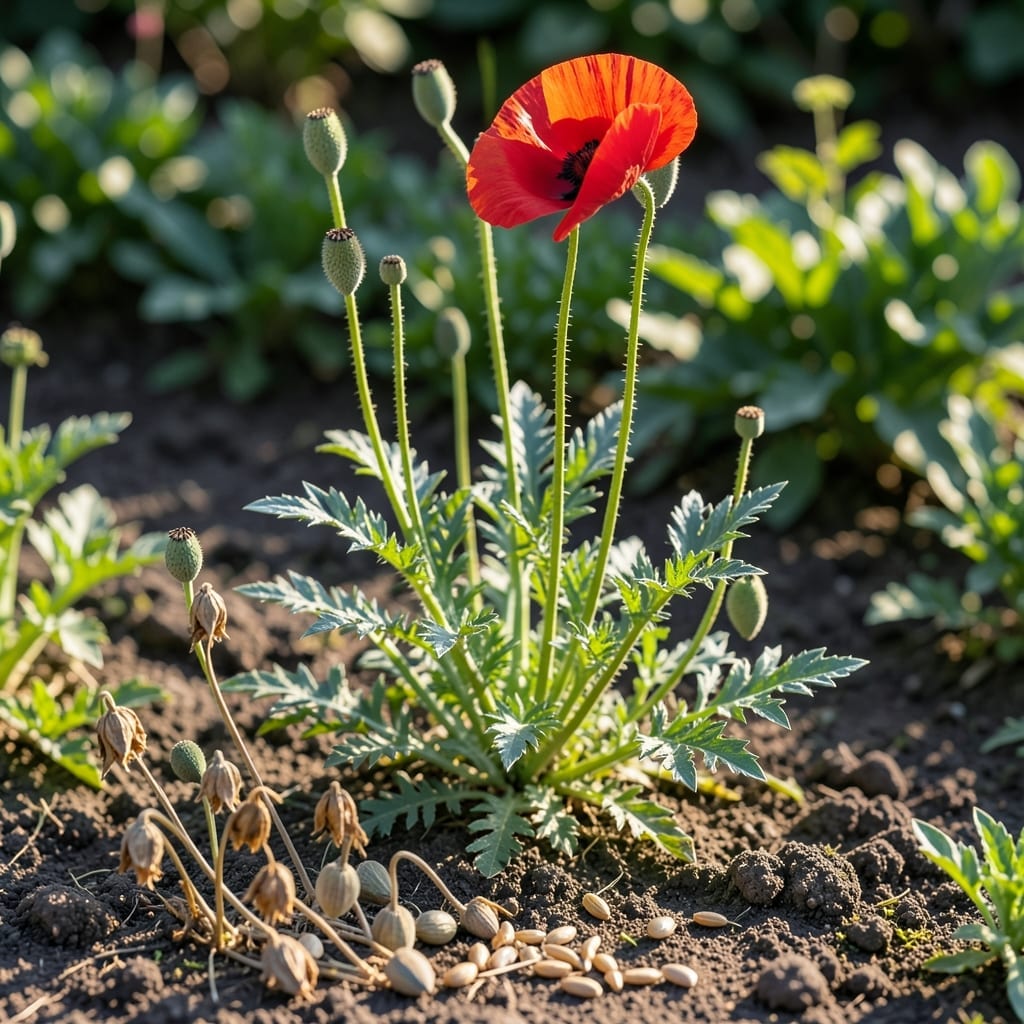
Poppy seeds are legal to purchase and consume in the U.S. but may be restricted in some countries due to trace opiate content. Always check local laws before traveling.
What surprises many travelers is how these tiny seeds can trigger legal scrutiny abroad. Trace morphine and codeine naturally occur in poppy seeds, leading some nations to ban or regulate them despite their culinary use. I always advise checking embassy websites or customs guidelines before packing any food items for international trips. ✨
At home, U.S. grocery stores freely sell them, but the DEA monitors imports to prevent potential misuse. This dual status reflects the balance between food safety and drug enforcement priorities. 💫
💡 In This Article
The opiate alkaloids in poppy seeds—primarily morphine and codeine—occur naturally in miniscule amounts, typically ranging from 0.5-10 mcg per gram. This trace content stems from the seed’s contact with the opium latex during harvest, not from the seeds themselves. The variation in levels depends on the poppy variety, growing conditions, and processing methods.
Countries like Singapore and Taiwan ban poppy seeds entirely due to their zero-tolerance drug policies. In the UAE, possession can lead to 4+ year prison sentences because their testing thresholds don’t distinguish between culinary use and drug trafficking.
Meanwhile, most EU nations permit sale but regulate opiate content to 0.005% morphine by weight, requiring specialized cleaning processes.
Historical drug laws shape these modern regulations. The 1961 Single Convention on Narcotic Drugs initially classified opium poppy as a controlled substance, though it exempted the seeds. Some nations later interpreted this loosely, while others maintained strict bans.
This legal patchwork creates what I call the “poppy seed paradox”—a food item that’s harmless in most contexts but criminalized elsewhere.
Australia and New Zealand take a middle-ground approach. They allow poppy seeds but require permits for commercial importation. Their customs use 10 mcg/g as the threshold for concern, which is about the amount found in a teaspoon of unwashed seeds. This measured response acknowledges both the culinary tradition and potential for misuse.
What’s particularly fascinating is how processing affects legality. Washed poppy seeds, which undergo a water bath to remove surface alkaloids, often meet stricter standards. The washing can reduce morphine content by 90% or more, making them acceptable in regions with tight regulations. This is why many commercial bakeries in regulated countries use pre-washed seeds. ✨
Trace amounts of morphine and codeine naturally occur in poppy seeds. Nations with strict drug laws, like Singapore, ban them entirely to prevent any potential misuse.
Yes, domestic flights allow poppy seeds. For international travel, check your destination’s laws first—some places confiscate or penalize possession.
Consuming poppy seeds can trigger positive drug tests for 24-48 hours. Airports and labs may flag this, so avoid them before travel or testing.
Washed seeds have reduced opiate levels, but not all countries accept them. The EU permits them if morphine content is under 0.005%.