
Beautiful Plants For Your Interior
Beautiful Plants For Your Interior
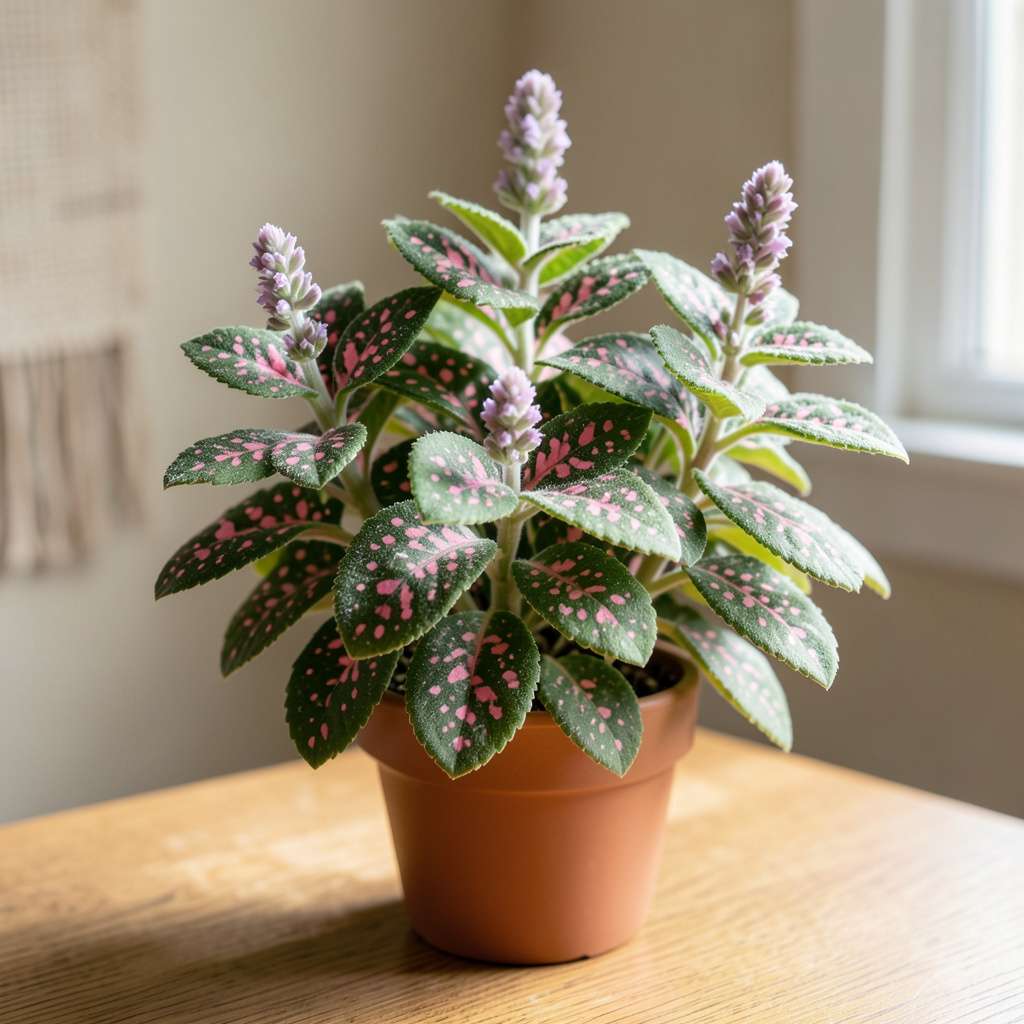
Yes, polka dot plants (Hypoestes phyllostachya) are mildly toxic to cats due to irritating compounds that can cause drooling, vomiting, or oral discomfort if ingested. Keep them out of reach to prevent accidental exposure.
I’ve seen firsthand how curious cats can’t resist nibbling on colorful foliage, which makes this plant particularly risky. 🐱 The irritants in polka dot plants primarily affect the mouth and digestive tract, leading to immediate discomfort that might escalate if large amounts are consumed. What’s tricky is that symptoms can appear within minutes or take hours to develop, depending on how much your cat ingests. This variability makes prevention the best strategy—consider hanging baskets or high shelves for these vibrant but problematic plants.
💡 In This Article
The polka dot plant’s toxicity comes from two primary irritants: saponins and calcium oxalate crystals. Saponins are soap-like compounds that disrupt cell membranes in the digestive tract, causing irritation and inflammation.
When cats chew the leaves, these compounds immediately begin breaking down cell walls in their mouth and throat, triggering that telltale drooling and pawing at the face. The reaction is similar to how soap bubbles would irritate sensitive tissues.
Calcium oxalate crystals act like microscopic needles. These razor-sharp formations are stored in specialized plant cells called idioblasts, which rupture when chewed. The crystals then embed in oral tissues, creating physical irritation that manifests as burning sensations. A single leaf contains thousands of these crystals—imagine sprinkling tiny glass shards on your cat’s tongue.
This dual chemical-physical attack explains why symptoms appear so rapidly, often within 5-30 minutes of ingestion.
What makes this particularly concerning is how cats’ physiology responds. Their rough tongues and lack of chewing efficiency means they often swallow larger plant fragments, allowing irritants to travel deeper into the digestive system.
While most cases remain mild, I’ve seen instances where curious kittens developed persistent vomiting for up to 12 hours after sampling these plants. The irritation isn’t systemic like true poisons, but the discomfort is very real and distressing for pets.
The concentration of these compounds varies by plant part. Young leaves contain up to 30% more saponins than mature foliage, making them especially problematic. The colorful pink/white sections of the leaves also tend to have higher irritant concentrations than the green portions.
This is why even small nibbles can cause noticeable reactions—your cat doesn’t need to eat much to experience discomfort. 🌱
Interestingly, these same compounds serve as the plant’s natural defense mechanism. In the wild, the bitter taste and oral irritation would deter herbivores from eating enough to kill the plant. But domestic cats, with their limited plant-eating experience, don’t recognize these warning signs.
Their curiosity combined with the plant’s appealing appearance creates a perfect storm for accidental ingestion.
Veterinary research shows that while rarely fatal, these irritants can cause secondary issues. The excessive drooling may lead to dehydration if not monitored, and persistent vomiting can result in electrolyte imbalances.
What starts as mild oral irritation can escalate if the cat continues to ingest the plant, which is why immediate removal from the environment is crucial. I always recommend having pet-safe antacids on hand as a first aid measure while contacting your vet. 🩺
Look for immediate signs like excessive drooling, pawing at the mouth, or lip smacking. Within 30-60 minutes, you might notice vomiting or loss of appetite. Severe cases could include lethargy or diarrhea, though these are less common.
Remove any plant material from their mouth immediately and offer fresh water. Contact your vet within 1-2 hours if symptoms appear. Most cases resolve with supportive care, but quick action prevents discomfort from worsening. Keep a sample of the plant to show your vet.
Yes, the young leaves and colored sections contain higher concentrations of irritants. A single bite from these areas can cause more pronounced symptoms than mature green leaves. The stems contain fewer irritants but can still cause mild discomfort if chewed.
You can, but it requires careful placement. Use hanging planters at least 6 feet high or display them in rooms with closed doors. Consider transparent barriers like glass terrariums if you want them at eye level. Always supervise cats in plant areas.
Combine physical barriers with deterrents. Place pots on high shelves or use cat-proof plant stands. Spritz leaves with pet-safe bitter sprays (like Grannick’s Bitter Apple). Provide alternative “cat grass” nearby to redirect chewing instincts.
