
Beautiful Plants For Your Interior
Beautiful Plants For Your Interior
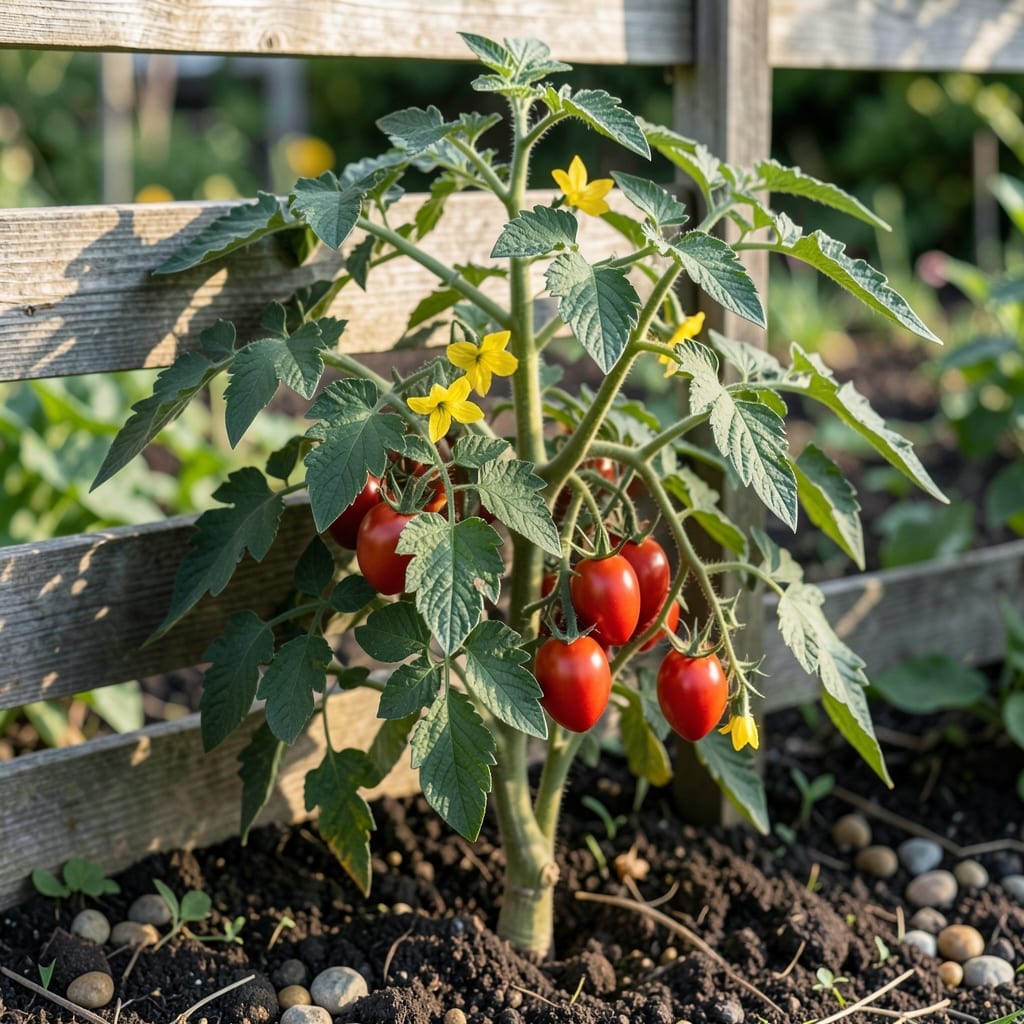
Plum tomatoes come in both determinate and indeterminate varieties. Roma and San Marzano are common determinate types, while some heirloom plums are indeterminate. Always check seed packets for growth habit details.
I’ve found that determinate plum tomatoes tend to ripen all at once, making them perfect for canning or sauce-making. Meanwhile, indeterminate types keep producing fruit throughout the season, which is great for fresh eating. The key is matching the variety to your garden space and harvesting goals. ✨
Many gardeners overlook this distinction and end up with plants that don’t fit their needs. For example, compact determinate bushes work well in containers, while vining indeterminates thrive in open garden beds. 🔥
💡 In This Article
Determinate plum tomatoes grow in a compact bush form, typically reaching 3-4 feet tall. They produce a concentrated harvest over 1-2 weeks, as the plant sets all its fruit simultaneously. This growth pattern is genetically programmed, with a terminal flower cluster that stops vertical growth once formed. 🔥
Indeterminate varieties, however, grow as vines that can extend 6-12 feet or more. They produce fruit continuously until frost, with new clusters forming along the stem as it grows. This requires more space but provides a steady supply throughout the season. The vines keep elongating until environmental conditions halt growth. ✨
Pruning needs differ dramatically between the two. Determinate plants need minimal pruning to avoid removing fruit-bearing branches. Indeterminates benefit from regular pruning to improve air circulation and focus energy on fruit production. Removing suckers (the shoots between main stem and branches) helps maintain control over the sprawling growth. 💫
The fruiting period also affects flavor development. Determinate types often produce more uniform fruit ideal for processing, while indeterminates may offer more varied sizes with potentially more complex flavors as they mature at different rates. This is why San Marzano (determinate) is prized for sauce, while heirloom plums (indeterminate) often excel for fresh eating. ⚡
Space requirements change with each type. Determinates need just 2-3 square feet per plant, making them perfect for containers. Indeterminates require 4-6 square feet and sturdy trellises to support their weight. The right choice depends on your garden setup and harvesting goals. 🌟
Check the plant tag or seed packet for terms like “bush” or “compact.” Determinate plums grow to 3-4 feet and stop. If it keeps growing taller with new fruit clusters, it’s likely indeterminate.
Determinate varieties like Roma work perfectly in pots. They need only 2-3 square feet of space and won’t outgrow their container. Indeterminates require much larger pots and trellises.
Minimal pruning is best to avoid cutting off fruit-bearing branches. Remove only damaged leaves or suckers below the first flower cluster. Indeterminates, however, benefit from regular pruning.
Their vining growth continues until frost. New flower clusters form as the plant grows, providing a steady harvest. Determinates set all fruit at once then stop growing.