
Beautiful Plants For Your Interior
Beautiful Plants For Your Interior
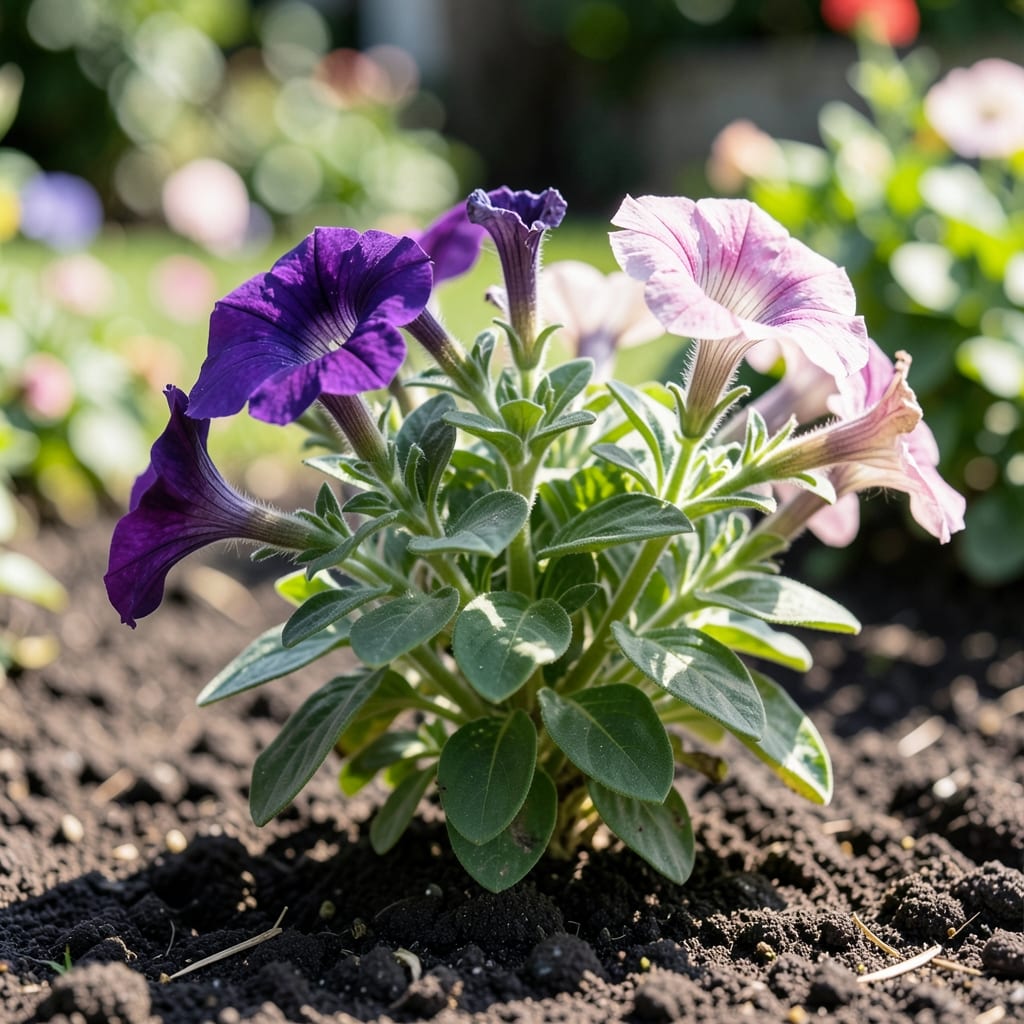
Petunias are not cold hardy and typically die in freezing temperatures. They thrive in warm climates and are grown as annuals in most regions, though they may survive mild winters in zones 9-11.
I’ve learned through experience that these vibrant flowers can’t handle frost—even a light freeze will damage their tender stems and leaves. In colder zones, gardeners often treat them as disposable seasonal plants, but you can sometimes extend their life by bringing potted varieties indoors before the first frost. 🌟
Their tropical origins explain this sensitivity, as they evolved in environments without harsh winters. For the best results, wait until all danger of frost has passed before planting outdoors in spring.
💡 In This Article
Petunias begin showing cold stress when temperatures drop below 40°F, with visible wilting and leaf discoloration. At 32°F, frost forms ice crystals inside their cells, rupturing cell walls and causing irreversible damage. This happens because their tropical origins never required cold adaptation, leaving them with thin cell membranes vulnerable to freezing.
Their ideal growing range sits between 60-85°F, where metabolic processes function optimally. Below 50°F, growth slows dramatically as photosynthesis becomes inefficient. I’ve observed petunias in zone 7 completely collapse after a single 28°F night, while those in zone 10 continue blooming through mild winters. 🌟
What most gardeners don’t realize is that even non-freezing cold snaps (45-50°F) can stunt flower production. The plants divert energy to survival rather than blooming. This explains why spring-planted petunias often outperform those set out in early cold spells, even if they technically survive.
Soil temperature matters too—cold roots (below 55°F) absorb water poorly, leading to drought-like symptoms. In containers, this effect is amplified as pots lose heat faster than ground soil. That’s why professional growers maintain greenhouse temps above 60°F for consistent quality. ✨
Their water content (about 85-90%) also contributes to freeze vulnerability. Unlike succulents that store water in thick leaves, petunias have high surface area with minimal protection. When ice forms, it expands and physically tears the plant’s vascular system.
This lack of cold hardiness is actually an evolutionary advantage in their native South American habitats, where freezing temperatures never occur. The trade-off is that they’ve developed no natural antifreeze proteins like some cold-hardy plants. 💫
They show stress below 40°F, with wilting and discoloration. Below 32°F, frost causes irreversible cell damage. Even 45-50°F can stunt blooming as the plant focuses on survival.
Yes, in cold climates, take cuttings in late summer or bring potted plants indoors before temperatures drop below 50°F. Keep them in bright, warm spots with 70°F temps and reduce watering.
No, frost damage is usually fatal. Their high water content and thin cell walls can’t recover from freezing. In zones 9-11, they may survive mild winters but often return as weaker plants.
Look for blackened, mushy leaves and stems after cold exposure. If the center stem remains firm, prune dead growth—it may regrow. Soft, collapsed stems mean the plant won’t recover.