
Beautiful Plants For Your Interior
Beautiful Plants For Your Interior
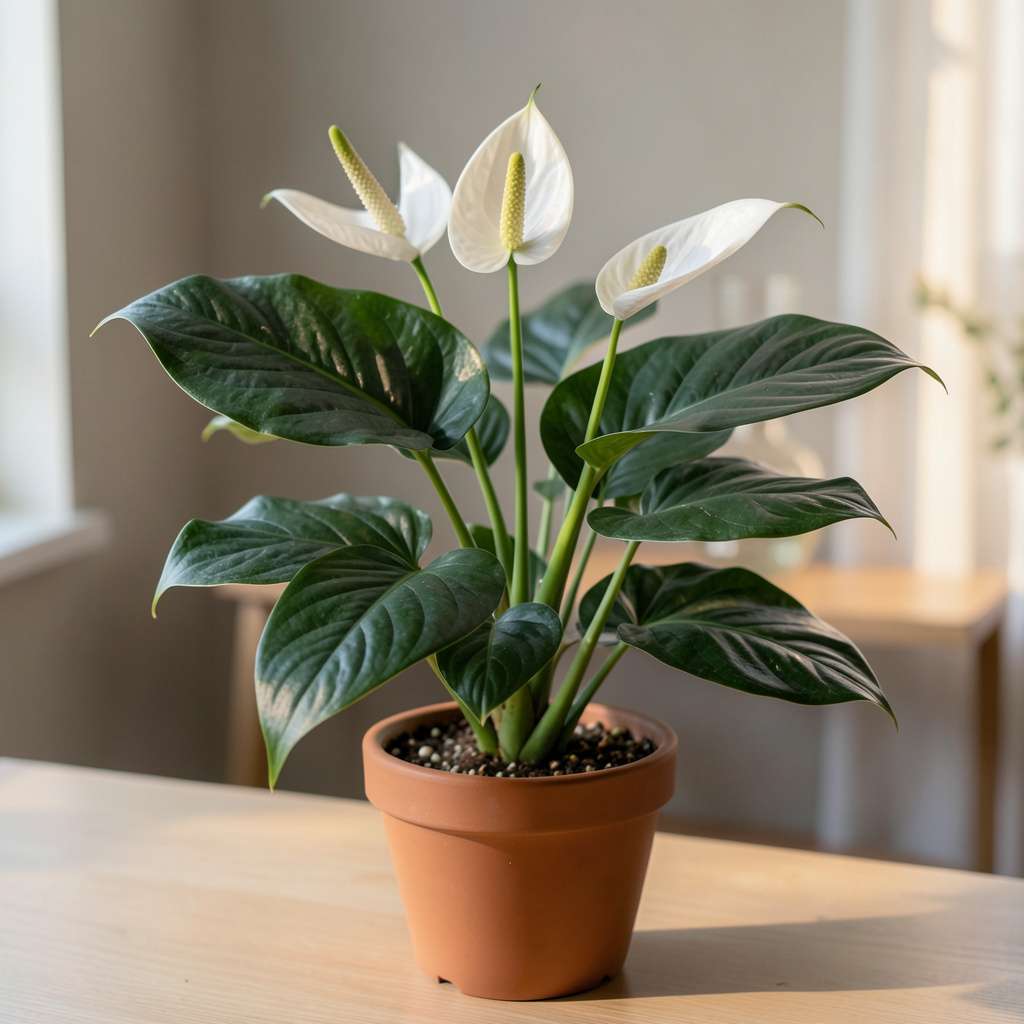
Yes, peace lilies are toxic to cats due to insoluble calcium oxalates that cause oral irritation, drooling, and digestive upset. Immediate vet care is recommended if ingestion occurs, even in small amounts.
I’ve seen too many cat owners unaware of how quickly this common houseplant can trigger reactions. 🐱 The needle-like calcium oxalate crystals act like microscopic daggers, piercing delicate mouth and throat tissues the moment your cat takes a curious bite. What starts as excessive drooling can escalate to vomiting or difficulty swallowing within hours—symptoms that often mimic more serious conditions.
From my experience, even dried leaves or pollen from peace lilies can cause problems. Cats are especially vulnerable because their grooming habits spread the irritants throughout their digestive system. This isn’t just about avoiding the plant itself—it’s about preventing access to fallen debris and contaminated water sources too. 💫
💡 In This Article
The toxicity comes from microscopic calcium oxalate crystals shaped like tiny needles that embed themselves in your cat’s mouth, tongue, and throat. These crystals are concentrated in all parts of the plant, but the leaves contain the highest density—about 10-15% more than the stems or flowers.
When chewed, they rupture cells and release oxalic acid, creating an immediate burning sensation that triggers excessive drooling and pawing at the mouth.
What makes this particularly dangerous for cats is their grooming instinct. As they lick their paws to soothe irritation, they redistribute the crystals throughout their digestive tract. 🔥 The oxalates then cause microscopic tears in the stomach lining, leading to vomiting or diarrhea within 2-6 hours of ingestion.
Unlike dogs, cats have more sensitive oral tissues and a faster metabolic response to plant toxins.
Compare this to philodendrons, which contain similar oxalates but at about 30% lower concentration. Peace lilies also produce a sticky sap that helps the crystals adhere to tissues longer.
The pollen from the spadix (the white flower-like structure) can even become airborne and irritate a cat’s eyes or respiratory system if they’re nearby when you water or move the plant.
Veterinary studies show that even 1-2 bites of peace lily can cause noticeable symptoms, while larger ingestions may lead to swelling that obstructs breathing. The crystals don’t break down during digestion—they pass through the system intact, continuing to cause damage until eliminated. This is why immediate veterinary intervention with anti-inflammatory medications is crucial.
Interestingly, the toxicity level remains constant whether the plant is alive or dried. Those beautiful cut peace lily arrangements in your home are just as dangerous as the potted plant.
The crystals maintain their sharp structure for months after the plant dies, which is why proper disposal of all plant material is essential for cat owners.
Here’s what’s happening at the cellular level: The oxalate crystals physically puncture cell membranes, while the oxalic acid disrupts calcium metabolism in the affected tissues. This double assault explains why symptoms appear so rapidly and why cats often refuse food for 12-24 hours after exposure, even with mild cases. ✨
Symptoms typically develop within 15-30 minutes of ingestion. You’ll first notice excessive drooling or pawing at the mouth, followed by vomiting or difficulty swallowing within 1-2 hours. The rapid onset makes it crucial to act fast.
Rinse your cat’s mouth gently with water and remove any plant remnants. Offer ice chips to soothe irritation, then call your vet or ASPCA Poison Control (888-426-4435) immediately. Don’t wait for symptoms to worsen—early intervention prevents serious complications.
Yes, the toxic crystals remain active even after the plant dies. Dried leaves, stems, or pollen can cause the same reactions as fresh material. Always dispose of all plant parts in a sealed bag to prevent accidental exposure.
While less common, airborne pollen can irritate a cat’s respiratory system. Symptoms may include sneezing, watery eyes, or nasal discharge. Keep peace lilies in well-ventilated areas and wipe leaves regularly to minimize pollen spread.
Cats have more sensitive oral tissues and a stronger grooming instinct. When they lick irritated areas, they redistribute the crystals throughout their digestive tract. Dogs typically spit out irritating plants, while cats often swallow the offending material.
