
Beautiful Plants For Your Interior
Beautiful Plants For Your Interior
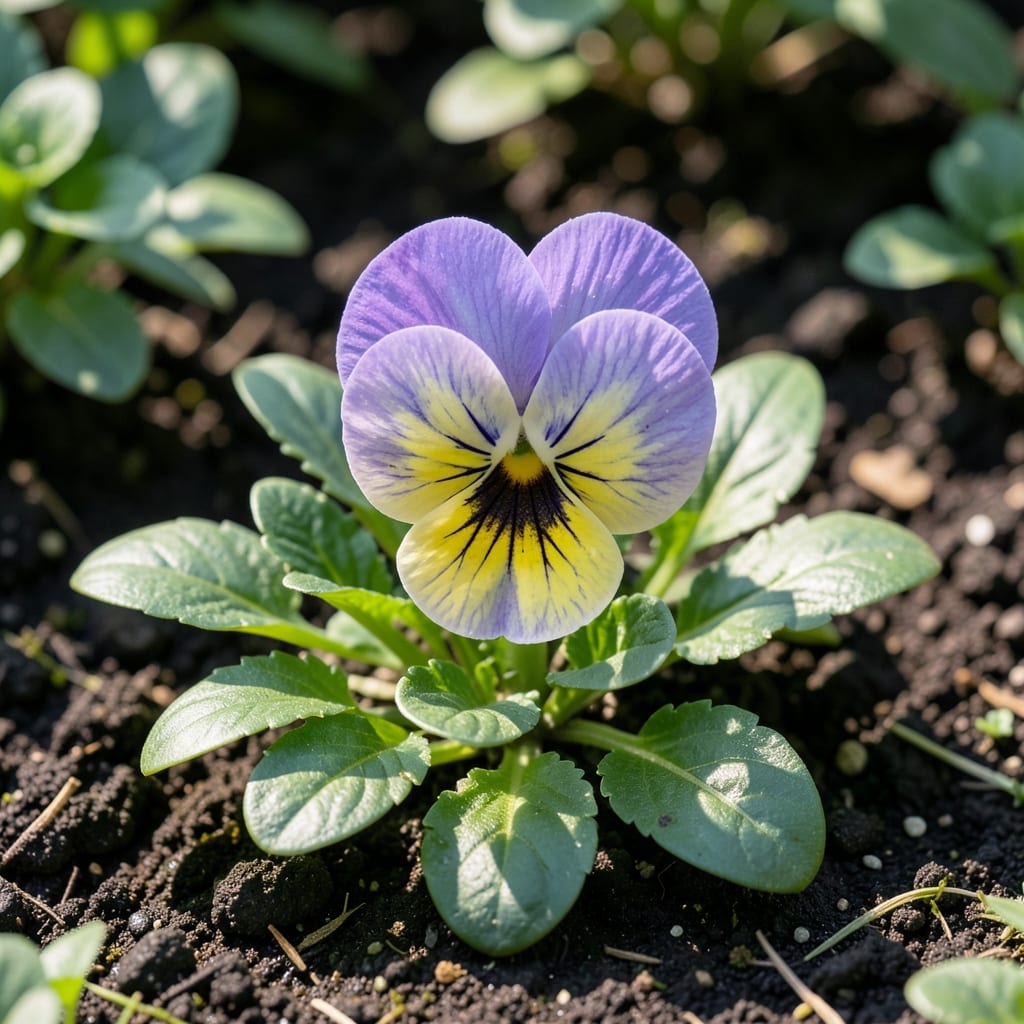
Pansies thrive in partial to full sun but prefer cooler conditions. In hot climates, they do best with morning sun and afternoon shade to prevent wilting and extend blooming.
I’ve noticed pansies perform exceptionally well with 4-6 hours of direct sunlight daily, especially in spring and fall. The cooler temperatures during these seasons help maintain their vibrant colors and prevent heat stress, which can stunt growth. 🔥
In my experience, afternoon shade becomes crucial when temperatures rise above 75°F, as it protects the delicate petals from scorching. This balance keeps them blooming prolifically.
💡 In This Article
Pansies use sunlight to power photosynthesis, but their thin petals and shallow roots make them sensitive to heat. They produce the most blooms with 6-8 hours of light, yet temperatures above 80°F can cause petal scorch and reduced flowering. The plant’s ideal range is 60-75°F, where it balances energy production with water retention. 🔥
Light intensity directly impacts flower vibrancy. Bright, direct light enhances pigment production, creating deeper purples, yellows, and oranges. However, harsh afternoon rays in hot climates can bleach colors and wilt stems. Morning light is gentler, allowing pansies to photosynthesize efficiently without the stress of midday heat. ✨
In cooler regions, full sun exposure is beneficial as it warms the soil and encourages robust growth. But in zones with intense sun, like the South, dappled light or east-facing positions prevent heat exhaustion. This is why pansies often thrive under tall trees or along north-facing walls in summer. 💫
The key is observing your microclimate. If leaves appear crispy or flowers fade quickly, it’s a sign of too much direct sun. Conversely, leggy stems and sparse blooms suggest insufficient light. Adjusting their position seasonally keeps them flourishing. ⚡
For container gardens, rotate pots to ensure even light distribution. This prevents one-sided growth and promotes symmetrical, bushy plants. Using light-colored containers reflects heat, keeping root zones cooler during sunny days. 🌟
No, pansies prefer 4-6 hours of sunlight daily, especially in cooler temperatures. Full day sun can scorch their delicate petals when it gets too hot.
They can, but they’ll produce fewer blooms. For best results, aim for bright, indirect light or morning sun with afternoon shade, particularly in warm climates.
Excessive heat and sunlight can cause wilting, faded colors, and crispy leaves. If you notice these signs, move them to a shadier spot.
Spring or fall is ideal, as temperatures stay below 75°F. These seasons provide the perfect balance of light and cool conditions for thriving blooms.