
Beautiful Plants For Your Interior
Beautiful Plants For Your Interior
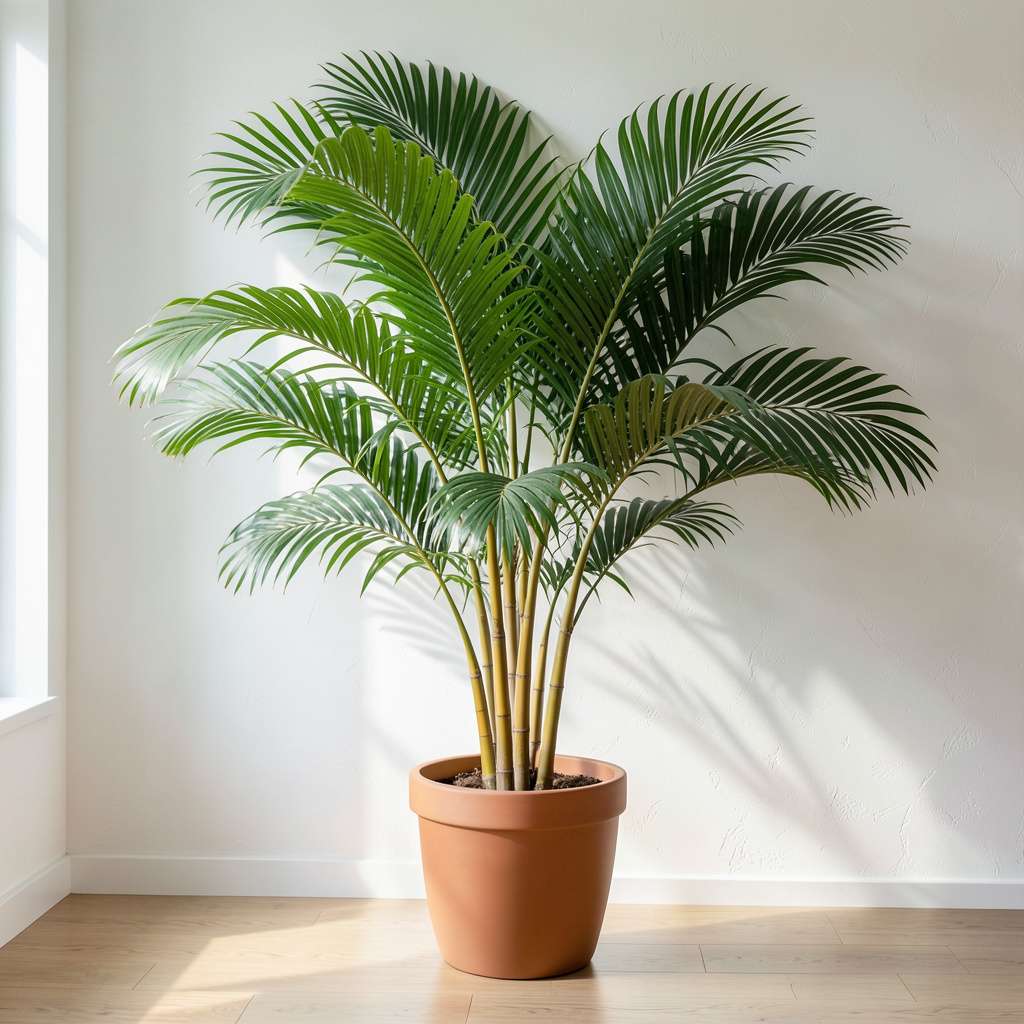
Most palm plants are non-toxic to cats, but sago palms are extremely poisonous and can cause liver failure. Always check the specific species before bringing palms into a cat-friendly home.
I’ve learned through experience that even seemingly harmless greenery can pose risks to curious pets. The sago palm’s toxicity comes from cycasin, a compound that attacks a cat’s liver within hours of ingestion. What makes this particularly dangerous is that all parts of the plant—roots, leaves, and seeds—contain this toxin. 🔥
On the brighter side, many popular houseplants like the parlor palm or bamboo palm offer that tropical aesthetic without the risk. I always recommend double-checking with the ASPCA’s plant database or your vet when introducing new plants, since even non-toxic varieties can cause mild stomach upset if your cat decides to nibble.
💡 In This Article
The danger with sago palms (Cycas revoluta) comes from their cycasin content—a glycoside that converts to toxic metabolites in a cat’s digestive system. When ingested, these compounds directly attack liver cells, causing rapid necrosis.
A single seed contains enough toxin to be lethal to a 10-pound cat, with symptoms appearing within 15 minutes to several hours. 🔥
What makes cycads particularly insidious is their cumulative effect. Even small, repeated exposures can lead to liver failure over time. The seeds contain the highest concentration (up to 50% cycasin by weight), but all plant parts are dangerous.
Compare this to non-toxic palms like the parlor palm (Chamaedorea elegans), which contains no known toxic compounds and has been safely used in pet-friendly spaces for decades.
Safe alternatives like bamboo palm (Chamaedorea seifrizii) or ponytail palm (Beaucarnea recurvata) offer similar aesthetics without risk. These species have been tested by veterinary toxicologists and confirmed non-toxic. The key difference lies in their metabolic pathways—safe palms process nutrients without producing harmful byproducts that could damage feline organs.
Symptoms of cycasin poisoning progress rapidly: initial vomiting and diarrhea give way to neurological signs like seizures within 24-48 hours as liver failure sets in. Blood tests show elevated liver enzymes (ALT/AST) often exceeding 1000 IU/L in severe cases.
This contrasts sharply with mild GI upset from non-toxic plant ingestion, which typically resolves within 12-24 hours with supportive care. ✨
The ASPCA’s Animal Poison Control Center reports sago palm cases have a 50-75% mortality rate without immediate treatment. Treatment involves aggressive IV fluids, liver protectants like N-acetylcysteine, and sometimes blood transfusions. Prevention is critical—even experienced gardeners can mistake young sago palms for safe varieties until the distinctive fronds develop.
For verification, I always recommend using the ASPCA’s Toxic and Non-Toxic Plants database or consulting with a veterinary toxicologist when unsure. Many palm species have similar common names but vastly different toxicity profiles. When in doubt, opt for cat grass (Dactylis glomerata) or spider plants (Chlorophytum comosum)—both are completely safe and satisfy cats’ chewing instincts.
💫
First, identify the plant species immediately. If it’s a sago palm, call your vet or ASPCA Poison Control ((888) 426-4435) right away. For non-toxic varieties, monitor for mild symptoms like vomiting or diarrhea. Always keep a sample of the plant for quick identification in emergencies.
Check the scientific name—Cycas or Zamia species are dangerous. Use the ASPCA’s plant database or consult your vet. Sago palms have stiff, dark green fronds with sharp spines, while safe palms like parlor palms have softer, lighter green leaves. When in doubt, assume it’s toxic until verified.
Yes! The ponytail palm (Beaucarnea recurvata) has a similar bulbous trunk but is completely non-toxic. Another great option is the bamboo palm, which offers that tropical look without the risk. Both are widely available at garden centers and pet stores.
Mix 1 cup water, 1 tbsp apple cider vinegar, and 5 drops citrus oil in a spray bottle. Lightly mist leaves weekly—cats dislike the scent but it won’t harm plants. Always test on a small area first to check for leaf sensitivity.
With toxic palms like sago, symptoms appear within 15 minutes to several hours. Watch for vomiting, diarrhea, drooling, or loss of appetite. Later stages may include jaundice (yellow gums), seizures, or liver failure. Non-toxic palms might cause mild stomach upset that resolves within 24 hours.
