
Beautiful Plants For Your Interior
Beautiful Plants For Your Interior
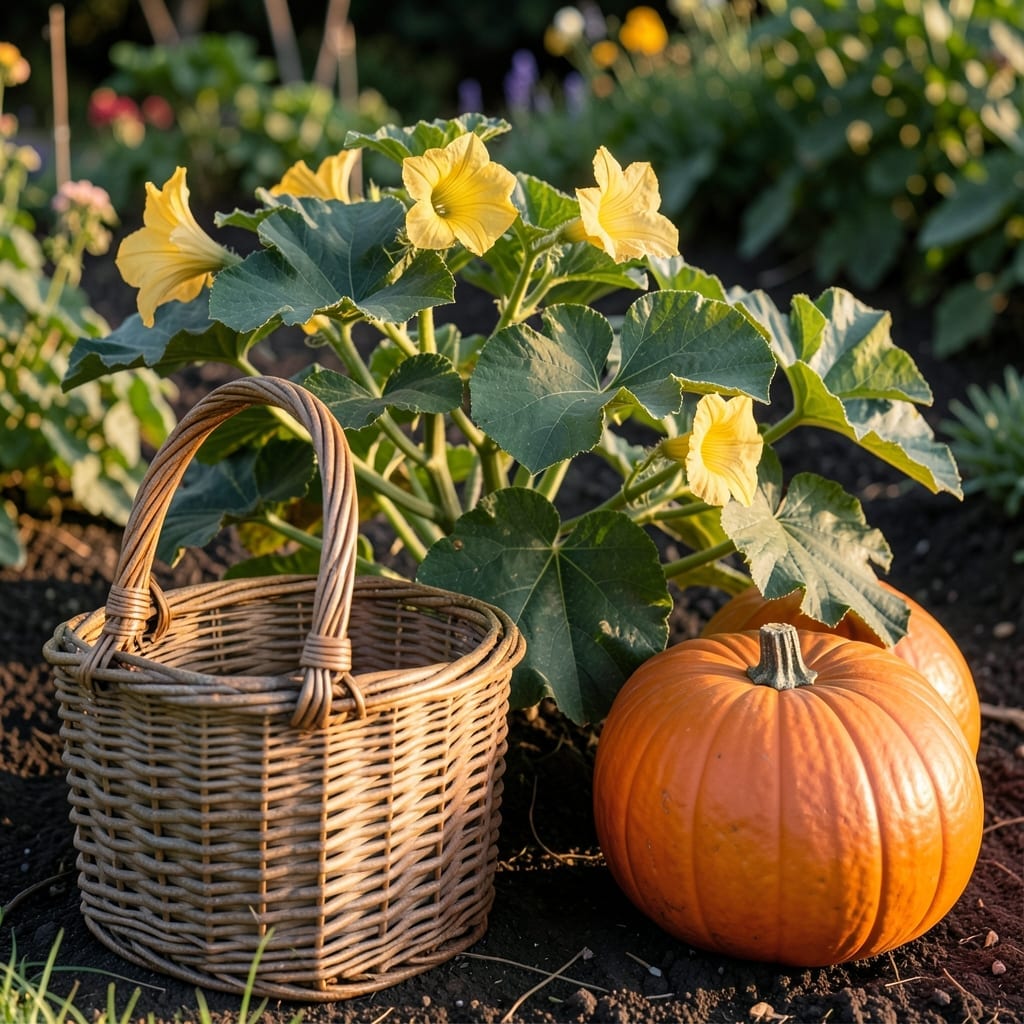
Ornamental pumpkins are not recommended for eating as they often contain high levels of cucurbitacins, bitter compounds that can cause stomach upset or toxicity. Stick to varieties labeled as edible.
I always remind people that these decorative varieties are bred for looks, not taste or safety. The cucurbitacins in them can trigger nausea or worse if consumed, even in small amounts. For cooking, I rely on sugar pumpkins or pie pumpkins—they’re sweeter, milder, and specifically cultivated for the kitchen. ✨
💡 In This Article
Ornamental pumpkins often contain cucurbitacins, natural toxins that taste extremely bitter. These compounds act as a defense mechanism in wild pumpkins, deterring pests with their harsh flavor and potential to cause nausea, vomiting, or diarrhea in humans. Breeders select ornamental varieties for vibrant colors and shapes, not for low toxin levels like edible types.
Cucurbitacin concentrations can reach 10-20 mg per 100g of flesh in some ornamental varieties—far above the 0.1 mg threshold considered safe. Even small amounts may trigger symptoms within 30 minutes to 2 hours after consumption. The bitterness is often so intense it makes the pumpkin inedible before dangerous quantities are consumed.
Unlike edible pumpkins, which have been selectively bred for generations to minimize these compounds, ornamental types like Miniature Jack-Be-Little or White Ghost prioritize aesthetics. Their thick, hard shells and stringy flesh also make them impractical for cooking. The toxins remain stable even after cooking, so heat doesn’t neutralize the risk. 🔥
Symptoms of cucurbitacin poisoning range from mild stomach cramps to severe gastrointestinal distress. In rare cases, high doses can affect the liver or kidneys. Children and pets are particularly vulnerable due to their smaller body size. Always discard any pumpkin that tastes bitter—this is nature’s warning sign.
Testing for bitterness is unreliable as a safety method. Some ornamental pumpkins may contain dangerous toxin levels without noticeable bitterness. The only guaranteed safe approach is to use pumpkins explicitly labeled as edible, such as Sugar Pie or Cinderella varieties. ✨
Look for labels like “sugar” or “pie” for edible types. Ornamentals often have glossy skins or vivid colors. Edible ones feel heavy for their size with smooth, matte skin.
You may experience nausea, vomiting, or diarrhea from cucurbitacins. Symptoms typically appear within 2 hours. Seek medical help if severe.
No, heat doesn’t neutralize cucurbitacins. The compounds remain stable even after baking or boiling. Never risk it with decorative varieties.
Sugar Pie, New England Pie, and Kabocha are excellent choices. They’re bred for sweetness and low toxin levels.