
Beautiful Plants For Your Interior
Beautiful Plants For Your Interior
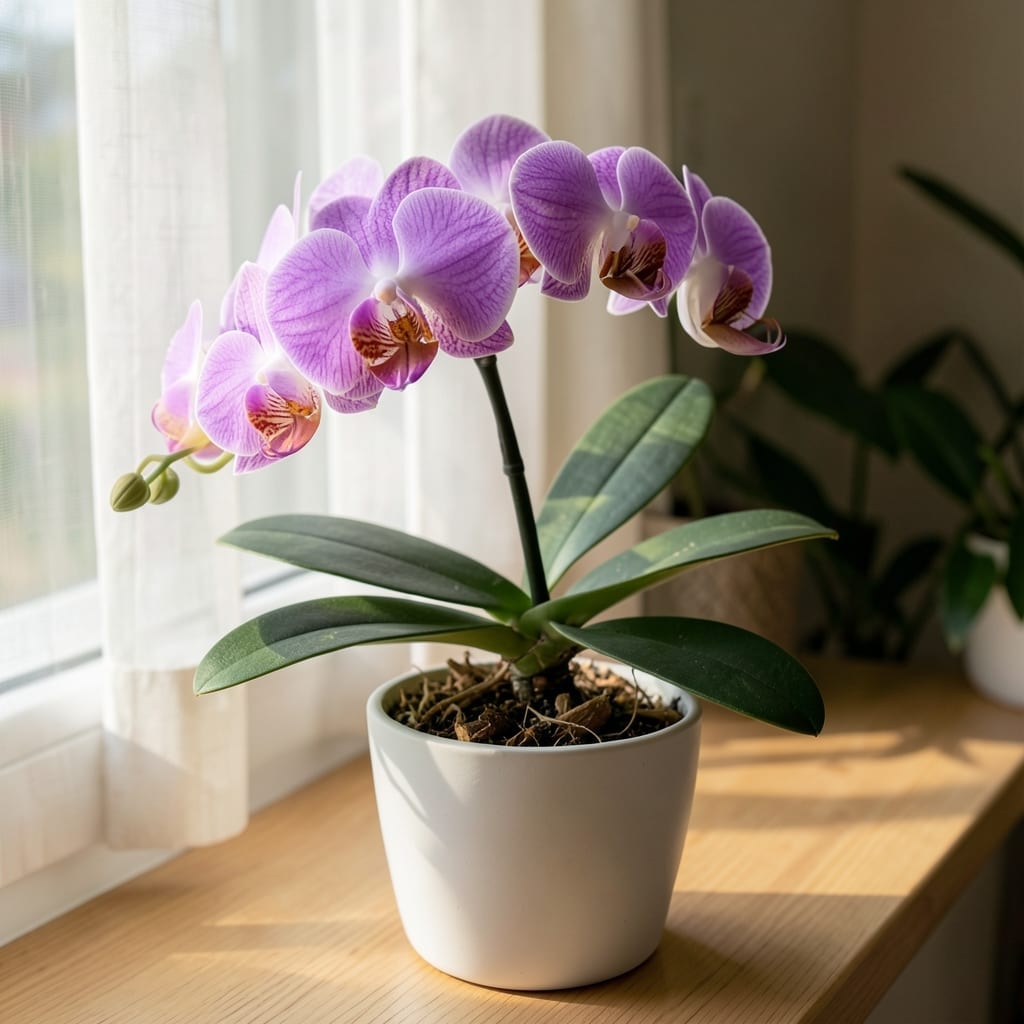
Orchids require specific light, water, and humidity but aren’t difficult with proper knowledge. Many thrive indoors with consistent care and minimal effort once established.
I’ve found most beginners overcomplicate things by treating orchids like typical houseplants. The key is mimicking their natural epiphytic environment with bright indirect light and good air circulation. They’re surprisingly forgiving once you understand their simple needs. 🌟
What works best is a consistent routine—watering when roots turn silvery and avoiding soggy potting mix. Even my first Phalaenopsis bloomed for months with this approach.
💡 In This Article
Most people assume orchids need greenhouse-level precision because they originate from tropical rainforests. In reality, these plants grow as epiphytes on trees, not in soil, which means their roots are adapted to absorb moisture from the air rather than from constant water immersion.
This fundamental difference from typical houseplants creates confusion about how to water and pot them properly. 🔥
Many beginners make the mistake of using regular potting soil, which suffocates orchid roots and leads to rot. The natural habitat of popular varieties like Phalaenopsis or Dendrobium involves clinging to bark in humid environments with excellent drainage.
Recreating this with a chunky mix of bark, sphagnum moss, or coconut husk chips provides the air circulation they need.
The reputation for difficulty also stems from their specific light requirements. Unlike most houseplants that tolerate low light, orchids need bright, indirect light—about 12-14 hours daily—to photosynthesize effectively. Direct sun can scorch their leaves, while insufficient light prevents blooming. East-facing windows often provide the ideal balance of gentle morning sun. ✨
Humidity adds another layer of complexity. In their native environments, orchids experience humidity levels between 50-70%. Most homes fall short, especially with heating or air conditioning. This is why grouping plants together or using a humidity tray can make a significant difference in their health and flowering frequency.
What most don’t realize is that orchids are actually quite hardy once their basic needs are met. They can survive periods of neglect, and many varieties will rebloom from the same stem if given proper care. The key is understanding that their “fussy” reputation comes from mismatched expectations, not inherent fragility.
Water every 7-10 days when roots turn silvery. Soak for 15-20 minutes, then let drain completely. Overwatering causes root rot, so when in doubt, wait.
Bright, indirect light for 12-14 hours daily is ideal. East-facing windows work best. Direct sun burns leaves, while too little light prevents blooming.
Yellow leaves often mean too much direct sunlight or overwatering. Check your watering schedule and move to a shadier spot if leaves appear scorched.
No—regular soil suffocates orchid roots. Use chunky bark or sphagnum moss for proper drainage and air circulation. This mimics their natural epiphytic environment.
After blooms fall, cut the spike above a node. Maintain consistent care with 50-70% humidity and balanced fertilizer. Patience is key—some take months to rebloom.