
Beautiful Plants For Your Interior
Beautiful Plants For Your Interior
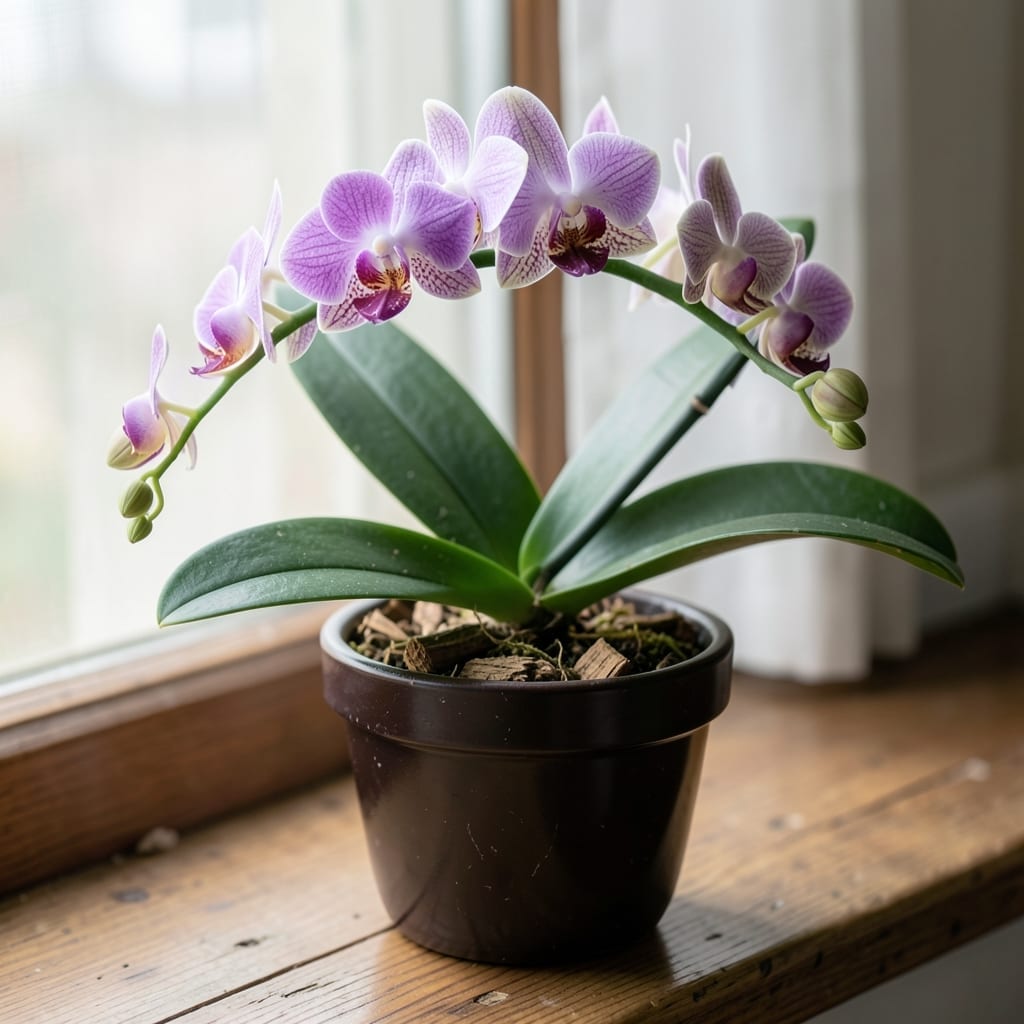
Orchids require specific care but aren’t inherently difficult. With proper light, watering, and humidity, even beginners can grow them successfully. Many varieties thrive with minimal effort.
I’ve found their reputation for being fussy comes from a few common misconceptions. The key is understanding their natural habitat—most store-bought types, like Phalaenopsis, mimic tropical environments with indirect light and consistent moisture. 💫
What makes them manageable is their ability to adapt to typical home conditions when given the right balance. I started with just one plant and now have a collection, all thriving with a simple weekly routine.
💡 In This Article
The myth stems from orchids’ epiphytic nature—they grow on trees in the wild, not in soil. This means their roots need airflow and can rot in standard potting mix. Many beginners overwater, not realizing these plants store moisture in thick leaves and pseudobulbs.
The confusion grows when comparing them to typical houseplants like pothos, which tolerate a wider range of conditions.
Light requirements add to the intimidation factor. While most houseplants do fine in low light, orchids like Phalaenopsis need bright, indirect light—around 10-15 foot-candles. Direct sun burns their leaves, while too little light prevents blooming. This narrow sweet spot makes beginners nervous, but it’s easier to achieve than most realize with an east-facing window.
Humidity is another perceived hurdle. Orchids thrive at 40-70% humidity, higher than average homes. Yet simple solutions exist: pebble trays with water or grouping plants together can boost humidity by 10-15%. The fear of creating a greenhouse environment is often overblown—most orchids adapt well to typical household humidity with minor adjustments. ✨
Then there’s the blooming cycle. Unlike plants that flower continuously, orchids have distinct growth phases. A Phalaenopsis might take 6-9 months to rebloom after its first flowers fade. This waiting period frustrates new growers who expect instant results, not understanding it’s part of the plant’s natural rhythm.
The final misunderstanding? Orchids’ delicate appearance. Their exotic, intricate flowers suggest high maintenance, but many varieties are surprisingly resilient. Dendrobium and Cattleya can tolerate occasional neglect, bouncing back when care resumes. Their beauty masks a hardy constitution developed over millennia. 💫
Water when the roots turn silvery-gray or the potting mix feels dry, typically every 7-10 days. Overwatering is the most common mistake—orchids store moisture in their leaves and pseudobulbs.
Most thrive in bright, indirect light, like an east-facing window. Direct sun can burn leaves, while too little light prevents blooming. Aim for 10-15 foot-candles for best results.
No, orchids need orchid-specific mix for proper drainage and airflow. Regular soil suffocates their roots. Use bark-based mixes and ensure pots have drainage holes.
Lack of blooms often means insufficient light or inconsistent care. Most orchids need a 6-9 month growth cycle before reblooming. Check light levels and fertilizer routine first.
Phalaenopsis and Dendrobium are the most beginner-friendly. They tolerate typical home conditions and bounce back from minor mistakes. Start with these before trying rare types.