
Beautiful Plants For Your Interior
Beautiful Plants For Your Interior
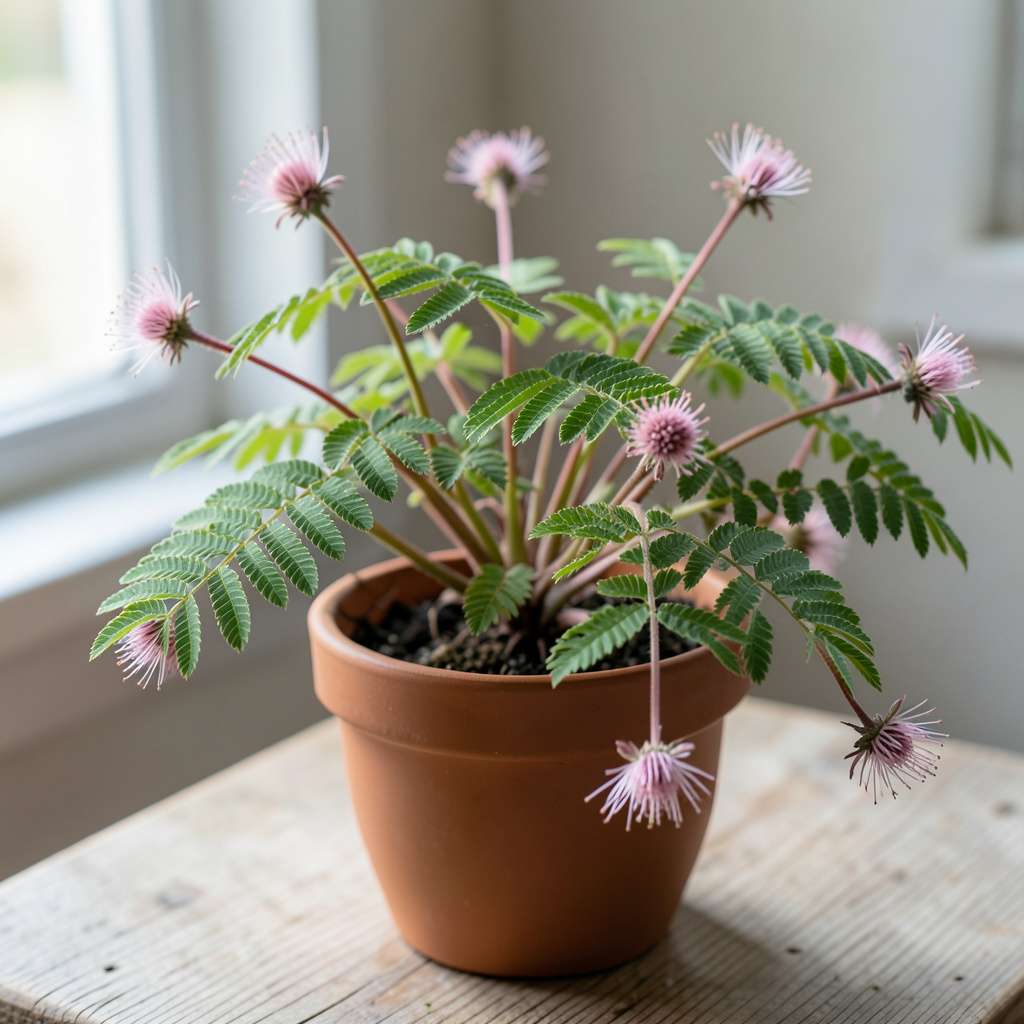
Yes, nerve plants (Fittonia spp.) are toxic to cats due to their irritating sap, which can cause oral irritation, drooling, and vomiting if ingested. Keep them out of reach or opt for pet-safe alternatives.
I’ve seen firsthand how curious cats can’t resist nibbling on lush green leaves, which makes nerve plants particularly risky. 🐱 The plant’s sap contains compounds that irritate a cat’s mouth and digestive tract, often leading to excessive drooling or pawing at the face. What’s tricky is that symptoms might not appear immediately, so pet owners should watch for changes in behavior after potential exposure.
From my experience working with houseplants, I always recommend checking the ASPCA’s toxic plant list before bringing new greenery home. Even small amounts of nerve plant ingestion can cause discomfort, and repeated exposure might lead to more serious gastrointestinal issues. The good news is that with proper placement—like hanging baskets or high shelves—you can still enjoy these beautiful plants while keeping your feline friends safe. ✨
💡 In This Article
The toxicity in nerve plants comes from two primary compounds: saponins and calcium oxalate crystals. Saponins act as natural detergents that disrupt cell membranes in a cat’s mouth and digestive tract, causing immediate irritation. The calcium oxalate crystals—shaped like tiny needles—physically damage tissues when chewed, leading to that telltale drooling and pawing at the face.
🔥
When a cat bites into a nerve plant leaf, these crystals penetrate the delicate mucous membranes in their mouth, throat, and stomach. The body reacts by producing excess saliva (drooling) and sometimes vomiting to expel the irritants.
I’ve seen cases where cats develop temporary swelling of the lips or tongue—similar to how humans react to eating pineapple’s core. The discomfort typically lasts 12-24 hours but can feel much longer for your feline. ✨
What makes this particularly concerning is how quickly symptoms appear. Most cats show signs within 1-2 hours of ingestion, though some may react in as little as 15 minutes. The severity depends on how much plant material was consumed—small nibbles might cause mild drooling, while larger amounts could lead to vomiting or loss of appetite.
🐾
The plant’s sap contains additional irritants that can cause contact dermatitis if it gets on a cat’s skin or fur. This is why you might see your cat excessively grooming after brushing against the leaves.
The ASPCA classifies nerve plants as mildly to moderately toxic, meaning they’re unlikely to be fatal but can cause significant discomfort. 💡
Here’s what’s happening internally: The saponins interfere with cholesterol in cell membranes, while the oxalate crystals create microscopic tears. Together, they trigger an inflammatory response that makes eating painful. Some cats may refuse food for 24-48 hours after exposure until the irritation subsides.
The good news is that with supportive care—like offering soft food or ice chips—most cats recover fully within a few days. 🌱
It’s worth noting that dried or wilted leaves can be just as problematic as fresh ones. The crystals remain intact even as the plant ages, so that fallen leaf on the floor is still a hazard.
I always recommend wearing gloves when pruning nerve plants to avoid skin irritation yourself—a lesson I learned the hard way after developing a rash from handling cuttings without protection! 😅
Most cats show signs within 1-2 hours of chewing nerve plants, though some react in as little as 15 minutes. The first symptoms are usually excessive drooling or pawing at the mouth.
Rinse their mouth with cool water and offer ice chips to soothe irritation. Contact your vet if symptoms persist beyond 24 hours or worsen. Never induce vomiting without professional guidance.
Yes, dried or fallen leaves remain toxic. The irritating crystals stay intact even as the plant ages, so always clean up any plant debris immediately.
You can, but they must be completely inaccessible. Use hanging planters at least 6 feet high or display them in rooms with closed doors. Consider pet-safe alternatives for peace of mind.
Peperomia varieties like watermelon or rainbow types offer similar looks without toxicity. They thrive in the same conditions and come in vibrant colors that mimic nerve plants.
