
Beautiful Plants For Your Interior
Beautiful Plants For Your Interior
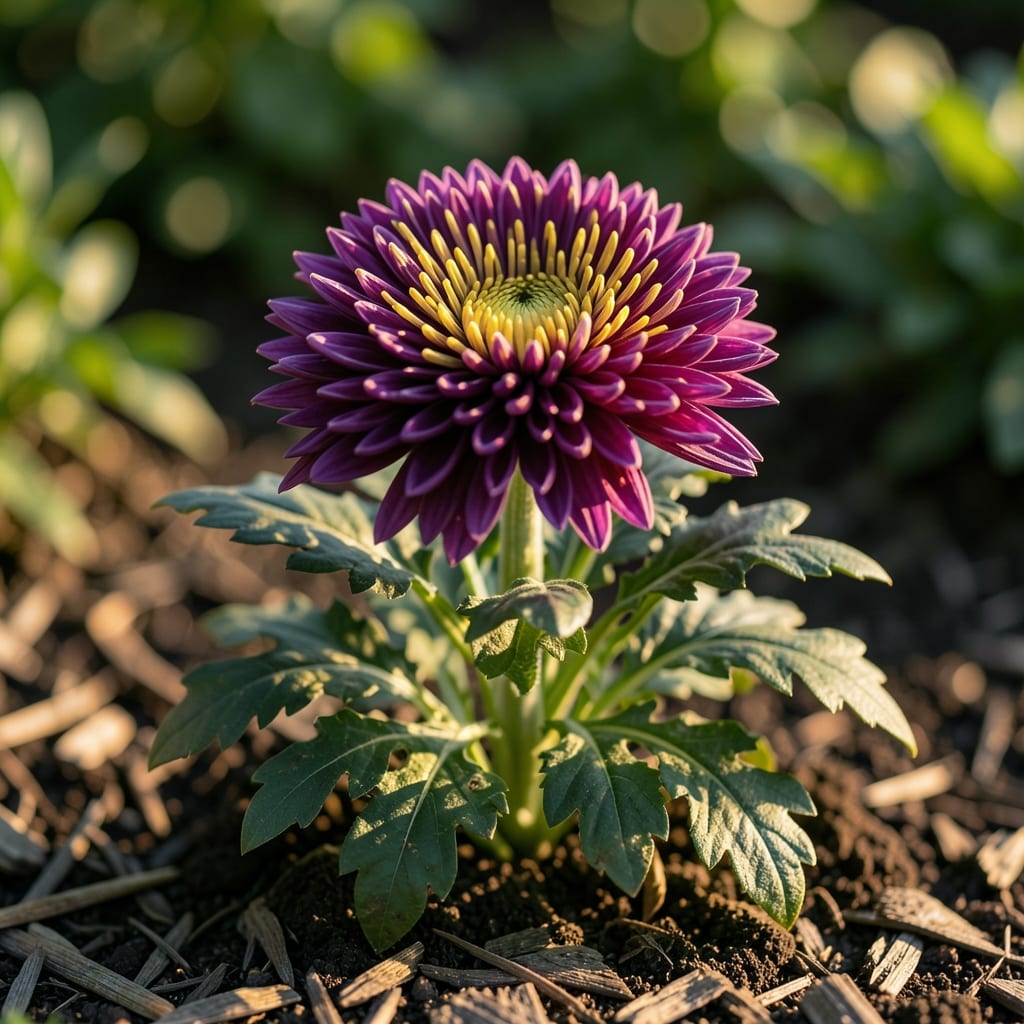
Chrysanthemums are seasonal perennials in most climates, blooming in late summer or fall. In colder zones, they often behave as annuals unless properly overwintered.
I’ve noticed these flowers thrive when days get shorter, as they’re highly sensitive to light changes. This natural rhythm means they’ll return year after year in mild areas, but in harsher climates, they need protection to survive winter. 🌟 Proper mulching and timing can make all the difference in keeping them alive for the next season.
💡 In This Article
Mums are photoperiod-sensitive, meaning their blooming is triggered by shorter daylight hours. As days grow shorter in late summer and fall, the plant detects this change and begins flower formation. This process is called photoperiodism, where the 12-14 hour daylight threshold signals the plant to shift from vegetative growth to flowering.
The ideal temperature range for blooming is 60-75°F, with cool nights (50-60°F) enhancing color intensity. Early varieties may start in August, while late bloomers peak in October-November. Different cultivars respond to these cues at varying rates, creating a staggered bloom season. 🌟
In colder zones (USDA 3-6), the plant’s survival depends on winter protection. Without proper mulching or overwintering, the roots may freeze, causing the plant to behave as an annual. The growth cycle includes spring shoot emergence, summer foliage development, and fall flowering—all tied to seasonal changes.
What’s fascinating is how breeders have developed varieties with different photoperiod sensitivities. Some modern cultivars can bloom with just 10 hours of daylight, while traditional types need 13+ hours of darkness. This allows for extended blooming periods in controlled environments. ✨
For gardeners, understanding these triggers means you can strategically plant different varieties. Early bloomers like ‘Anastasia’ start in late August, while late varieties like ‘Hillside Sheffield Pink’ peak in November. This natural staggering creates weeks of continuous color.
Mums are triggered by shorter days, a natural response called photoperiodism. When daylight drops below 12-14 hours, they shift from growing leaves to producing flowers. This timing aligns perfectly with fall’s changing light.
In zones 3-6, mums may not survive without protection. Apply 4-6 inches of mulch after the ground freezes to insulate roots. This helps them return as perennials next year.
Pinch back stems in spring and deadhead spent blooms regularly. This encourages bushier growth and extends the blooming period by 2-3 weeks. Stop pinching by early July to allow buds to form.
The sweet spot is 60-75°F during the day with cool nights around 50-60°F. These conditions enhance flower color and longevity. Cooler temperatures also help extend the blooming season.