
Beautiful Plants For Your Interior
Beautiful Plants For Your Interior
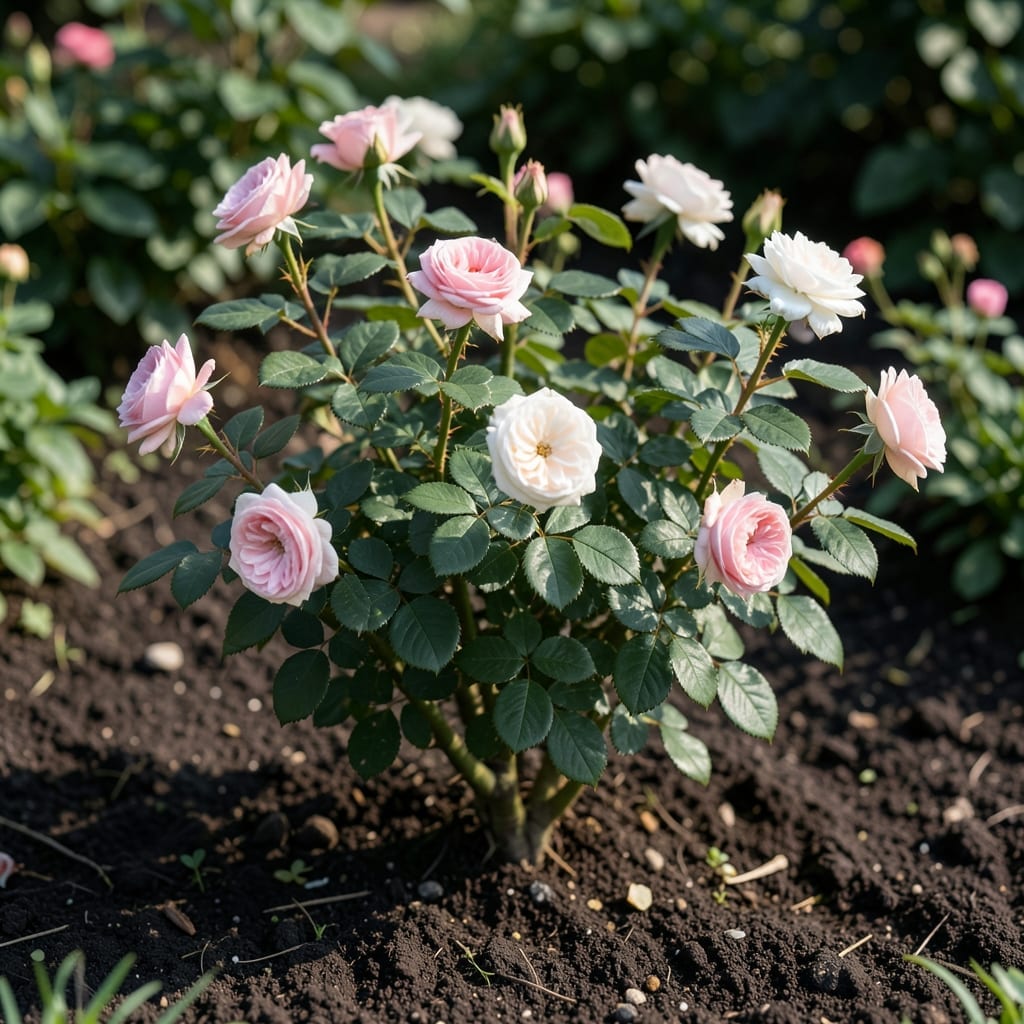
Mini roses are typically perennials in USDA zones 5-9, returning each year with proper care. In colder climates, they may need winter protection or be grown as annuals.
These compact bloomers thrive as long-lived plants in warmer regions where their roots survive winter freezes. 🌟 I’ve seen them bounce back year after year in zone 7 gardens with minimal effort. In harsher areas, a thick mulch layer or container move indoors can extend their lifespan beyond a single season.
💡 In This Article
Miniature roses develop perennial roots when soil temperatures stay above 20°F. Their woody stems store energy that fuels spring regrowth after dormancy. This survival mechanism kicks in after the first frost, when the plant redirects nutrients downward to protect its crown and root system from freezing. 🔥
USDA zones 5-9 provide the ideal balance of winter chill and summer warmth for these plants. In zone 5, expect winter dieback to ground level, with new shoots emerging in April. Zone 9 gardens may see nearly year-round blooming, as the plants never enter full dormancy. The Dr.
Huey rootstock commonly used for grafting adds cold tolerance, surviving down to 10°F without protection.
Varietal differences matter significantly. Polyantha types like ‘The Fairy’ handle cold better than tea hybrids, while some modern miniatures bred for containers lack the hardiness of landscape varieties. I’ve observed that own-root miniatures often outlive grafted ones in marginal climates because they can regenerate from the crown even if top growth dies back.
Soil drainage dramatically affects survival rates. In clay soils, roots suffocate during winter thaws, while sandy loam allows proper air circulation. Adding 2-3 inches of organic mulch creates an insulating blanket that moderates soil temperature swings by 5-10°F. This simple step can mean the difference between a plant returning or needing replacement each spring. ✨
Light exposure plays a role too. South-facing locations with winter sun exposure experience more freeze-thaw cycles that can heave roots from the soil. Eastern exposures with morning sun and afternoon shade provide the most stable winter environment for these compact perennials.
With proper care, they can thrive for 5-10 years as perennials in suitable climates. Their lifespan depends on growing conditions, variety, and winter protection in colder zones.
In zones 3-4, they often need winter protection or may be grown as annuals. Below 20°F, roots may not survive without mulch or indoor storage. In zones 5-9, they reliably return each year.
Mound 6-8 inches of soil around the base and add 4-6 inches of mulch. For containers, move pots to a sheltered spot and wrap them in burlap.
Yes, with bright light and consistent care. They need 6-8 hours of sunlight daily and well-draining soil. Be prepared to monitor for pests like spider mites.
Common reasons include insufficient winter protection, poor drainage, or late frost damage. Check for healthy roots and new growth at the crown before giving up.