
Beautiful Plants For Your Interior
Beautiful Plants For Your Interior
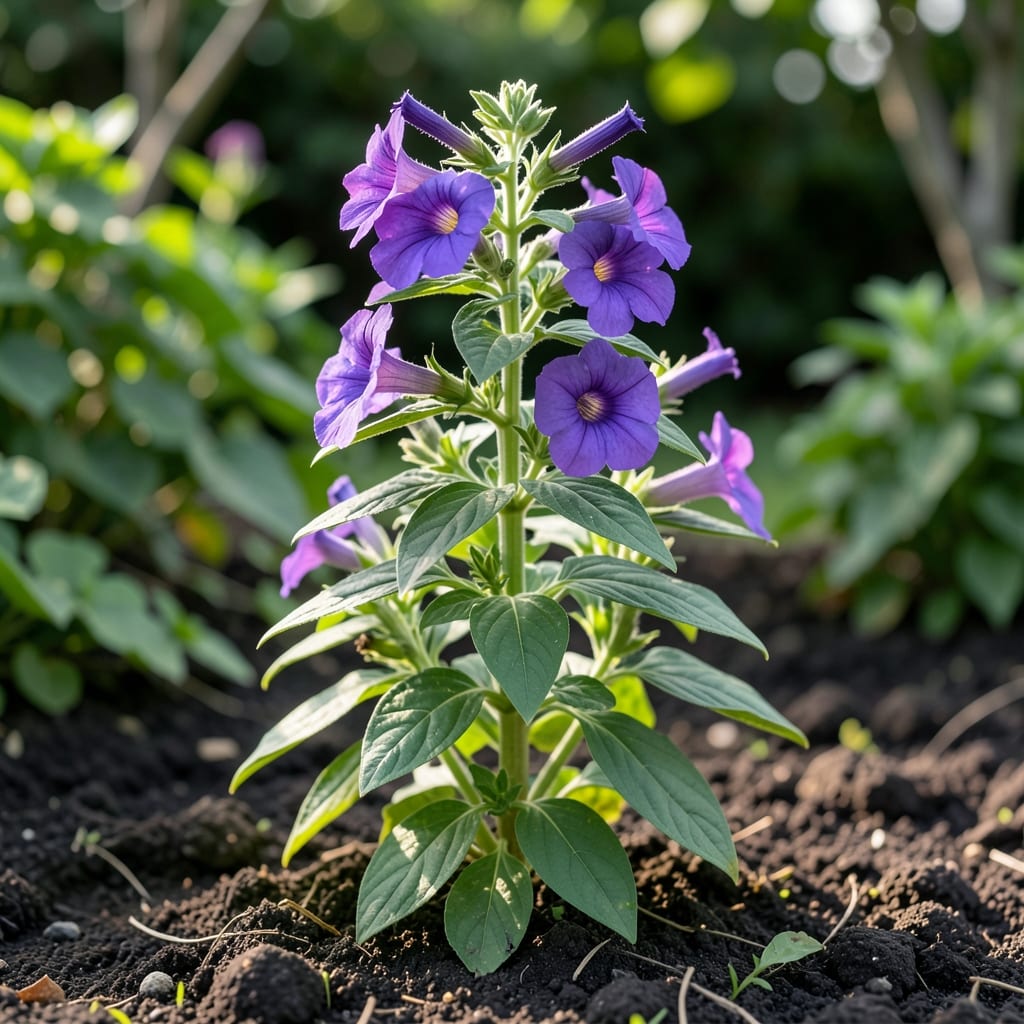
Mexican petunias are perennials in warm climates (USDA zones 8-11), returning yearly. In cooler zones, they’re grown as annuals or overwintered indoors since they can’t survive frost.
These hardy plants thrive in tropical and subtropical conditions, where their roots stay protected from freezing temperatures. 🔥 I’ve seen them bounce back every spring in zone 9 gardens, but north of zone 7, they’ll die back at the first hard frost unless you move them inside. Their ability to regrow from tubers makes them a favorite for low-maintenance landscapes in warmer areas.
💡 In This Article
The survival mechanism of Mexican petunias hinges on their tuberous root system. These underground storage organs retain energy and nutrients, allowing the plant to regrow after winter dormancy in frost-free zones.
When soil temperatures drop below 25°F, the tubers become vulnerable to rot or freezing, which is why they thrive as perennials only in USDA zones 8-11. 🔥
In zone 8, they may die back to the ground during brief cold snaps but regenerate from the tubers when warmth returns. The critical threshold is sustained freezing—any period longer than 2-3 hours at 20°F or below typically kills the roots. This explains why gardeners in zone 7 and colder treat them as annuals.
The plant’s native habitat in Mexico and Central America provides clues to its cold sensitivity. Wild Mexican petunias grow in regions where winter lows rarely dip below 40°F. Their natural adaptation to warm, humid climates means they lack the antifreeze proteins found in cold-hardy perennials like hostas or daylilies.
Soil type also influences winter survival. Well-draining soils prevent waterlogging, which is more damaging than cold itself. In zone 8b, adding 2-3 inches of mulch can provide enough insulation for tubers to survive mild winters. However, in clay-heavy or poorly drained soils, even zone 9 plants may struggle.
For comparison, other tropical perennials like cannas and elephant ears share similar zone requirements. Like Mexican petunias, they rely on underground storage structures and die back when exposed to frost. This pattern is common among plants evolved for consistently warm climates.
Gardeners in borderline zones (7b-8a) often experiment with microclimates. South-facing walls, raised beds, or urban heat islands can create pockets where Mexican petunias survive winter. Yet, these are exceptions rather than the rule.
Yes, in USDA zones 8-11 they return yearly from their tuberous roots. In colder areas, they won’t survive winter outdoors and are treated as annuals.
Check your zone—if you’re in 7 or below, they likely won’t. In zone 8, mulch heavily for protection. Below 25°F for 2-3 hours usually kills the tubers.
Move potted plants indoors before frost. Store in a cool, dark place with minimal water. Reintroduce them outside after the last frost when soil reaches 60°F.
Dig up tubers, trim foliage to 3-4 inches, and store in slightly moist soil. Keep in a 40-50°F area, checking every 2-3 weeks for rot or dryness.
Their tuberous roots can’t tolerate freezing temperatures. Native to warm regions, they lack cold-hardy adaptations. Well-draining soil and mulch can help in borderline zones.