
Beautiful Plants For Your Interior
Beautiful Plants For Your Interior
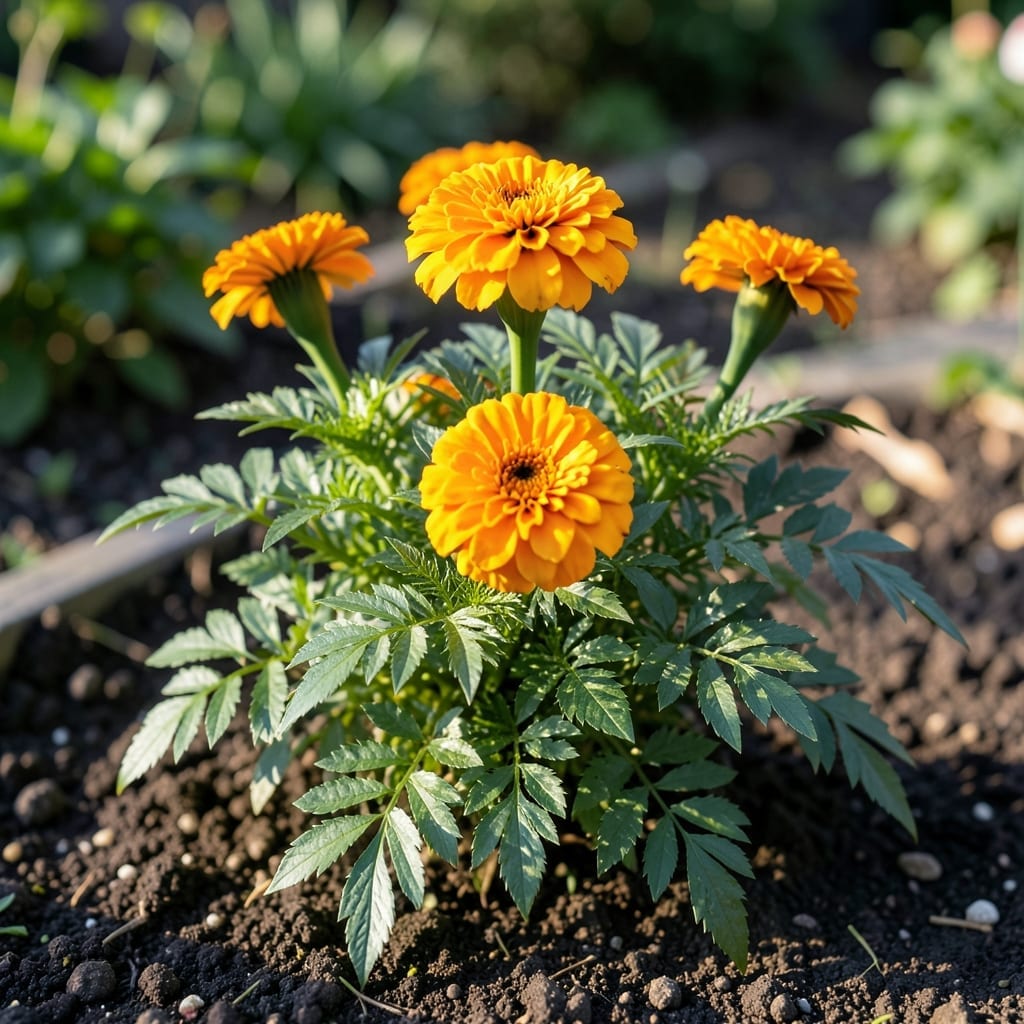
Marigolds are highly heat tolerant, thriving in temperatures up to 90°F and even enduring brief periods above 100°F with proper watering and well-draining soil.
I’ve found these hardy flowers originate from warm climates, which gives them a natural advantage during scorching summers. Their deep roots help tap into moisture, while their waxy leaves reduce water loss. In my garden, they’ve outperformed less resilient plants during heatwaves, and I notice they bounce back quickly even after intense midday sun. ✨
💡 In This Article
Marigolds trace their origins to Mexico and Central America, regions known for intense sunlight and warm temperatures. This native heritage equipped them with biological adaptations like deep taproots that reach 12-18 inches below the surface, accessing moisture other plants can’t.
Their thick, waxy leaves also minimize water loss through transpiration, a critical survival mechanism during heat stress. ✨
The plants produce a natural compound called terthienyl, which not only gives them pest resistance but also enhances their ability to withstand UV radiation. This chemical defense system allows marigolds to maintain vibrant blooms even when exposed to 6-8 hours of direct sunlight daily.
Their resilience is comparable to other drought-tolerant annuals like zinnias or portulacas.
Gardeners in USDA zones 2-11 have observed marigolds thriving where other flowers wilt. The French marigold variety, in particular, shows exceptional heat tolerance, often continuing to bloom when temperatures soar above 95°F. This adaptability makes them ideal for summer beds, borders, or containers where heat reflection from pavement can create microclimates reaching 110°F. 🔥
What’s fascinating is their ability to enter a state of temporary dormancy during extreme heat. While growth may slow, the plants rarely die off completely. This survival strategy, combined with their rapid recovery when temperatures moderate, explains why they’re a staple in hot climate gardens worldwide.
Their root systems continue growing even when top growth pauses.
For comparison, marigolds require about 30% less water than petunias or impatiens in similar conditions. This water efficiency stems from their ability to close stomata (leaf pores) during the hottest part of the day, reducing moisture loss while maintaining photosynthesis through specialized cellular structures. ⚡
Marigolds thrive with 6-8 hours of direct sunlight daily. Their waxy leaves and deep roots help them endure intense UV exposure without wilting.
Water deeply 1 inch per week, but let the top 1-2 inches of soil dry between waterings. This encourages deep root growth for better heat resilience.
French marigolds outperform others in high heat, often blooming continuously above 95°F. African varieties prefer slightly cooler conditions.
While they tolerate less fertile soil, adding 2-3 inches of compost improves growth. Well-draining soil is more critical than fertility for heat tolerance.