
Beautiful Plants For Your Interior
Beautiful Plants For Your Interior
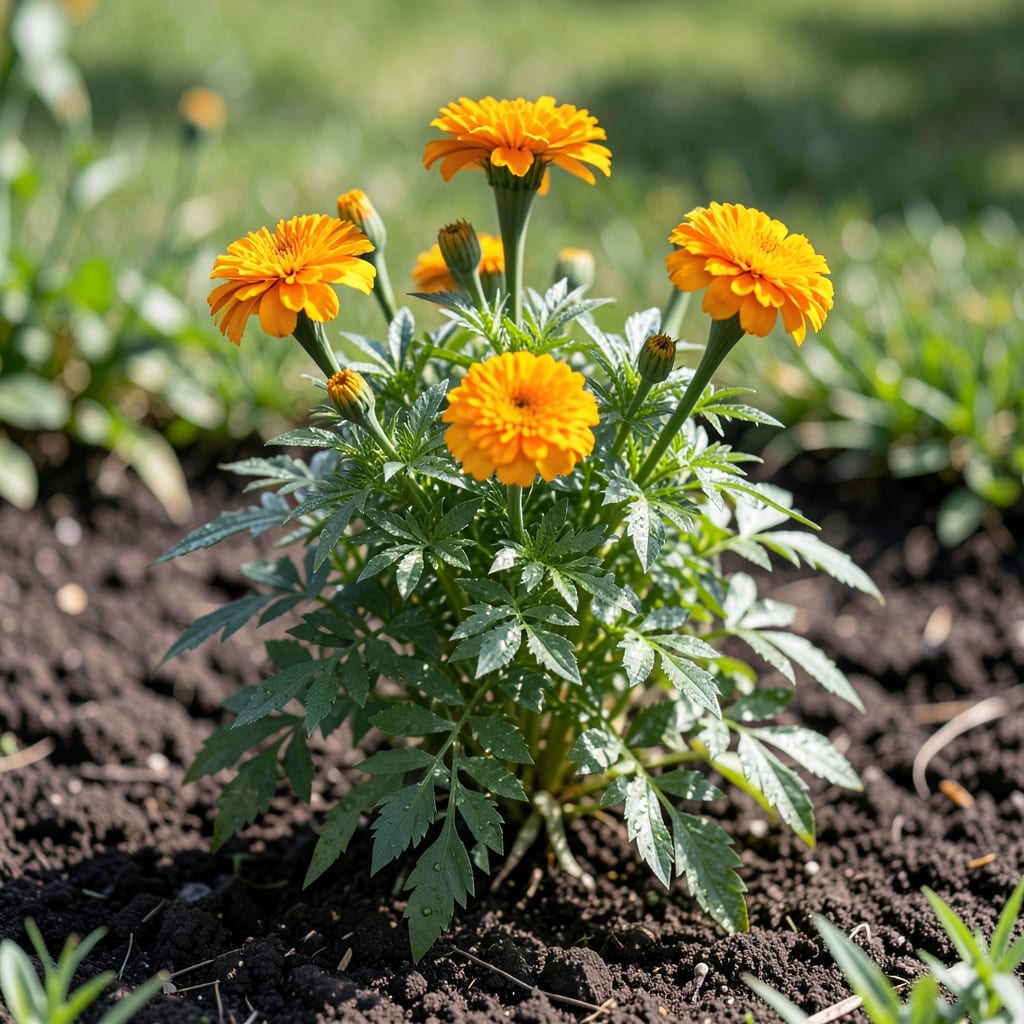
Marigolds are among the easiest flowers to grow, thriving in most soils with minimal care. They germinate quickly, resist pests, and bloom abundantly even in hot, dry conditions.
I love how forgiving these plants are for new gardeners. Their natural resilience means you can skip perfect soil conditions or occasional watering without disaster striking. 🌟 Even better, they start producing vibrant blooms in just 45-60 days from planting, giving you fast, colorful results with almost no effort.
💡 In This Article
Marigolds thrive thanks to their natural ability to adapt to tough conditions. Their deep root systems access moisture efficiently, allowing them to survive with just 1 inch of water weekly. This drought tolerance means they bounce back quickly even when soil dries out completely. 🌟
The secret to their pest resistance lies in pyrethrins—natural compounds in marigold foliage that repel insects like nematodes, aphids, and whiteflies. These same compounds attract beneficial pollinators, creating a self-protecting ecosystem around the plants. The scent alone deters many garden pests before they even land.
Soil adaptability comes from their Mexican and Central American origins, where they evolved in nutrient-poor volcanic soils. Today’s marigolds grow vigorously in clay, sand, or loam as long as the ground drains well. They even improve poor soil by adding organic matter as their roots and leaves decompose over the season. ✨
What truly sets them apart is their rapid growth cycle. From seed to first bloom takes just 45-60 days—faster than most annual flowers. This quick turnaround means gardeners see colorful results almost immediately, which boosts confidence for beginners trying to grow flowers for the first time.
Their low maintenance needs extend to deadheading. While removing spent blooms encourages more flowers, marigolds will keep blooming prolifically even without this care. The plants self-clean by dropping old flowers naturally, making them ideal for busy gardeners or those new to floral care. 🔥
Plant after the last frost when soil is warm. They need full sun and thrive in 60-70°F temperatures. Starting seeds indoors 4-6 weeks before the last frost gives a head start.
No special soil is required. Marigolds adapt to most types as long as it drains well. Mixing in 2-3 inches of compost boosts growth, but they’ll flourish in average garden soil too.
Water deeply once a week with 1 inch of water. After establishment, they tolerate drought well. Overwatering can cause root rot, so let the soil dry slightly between waterings.
Yes! Use a pot with drainage holes and fill it with potting mix. Dwarf varieties work best. Ensure containers get 6-8 hours of sunlight daily for vibrant blooms.