
Beautiful Plants For Your Interior
Beautiful Plants For Your Interior
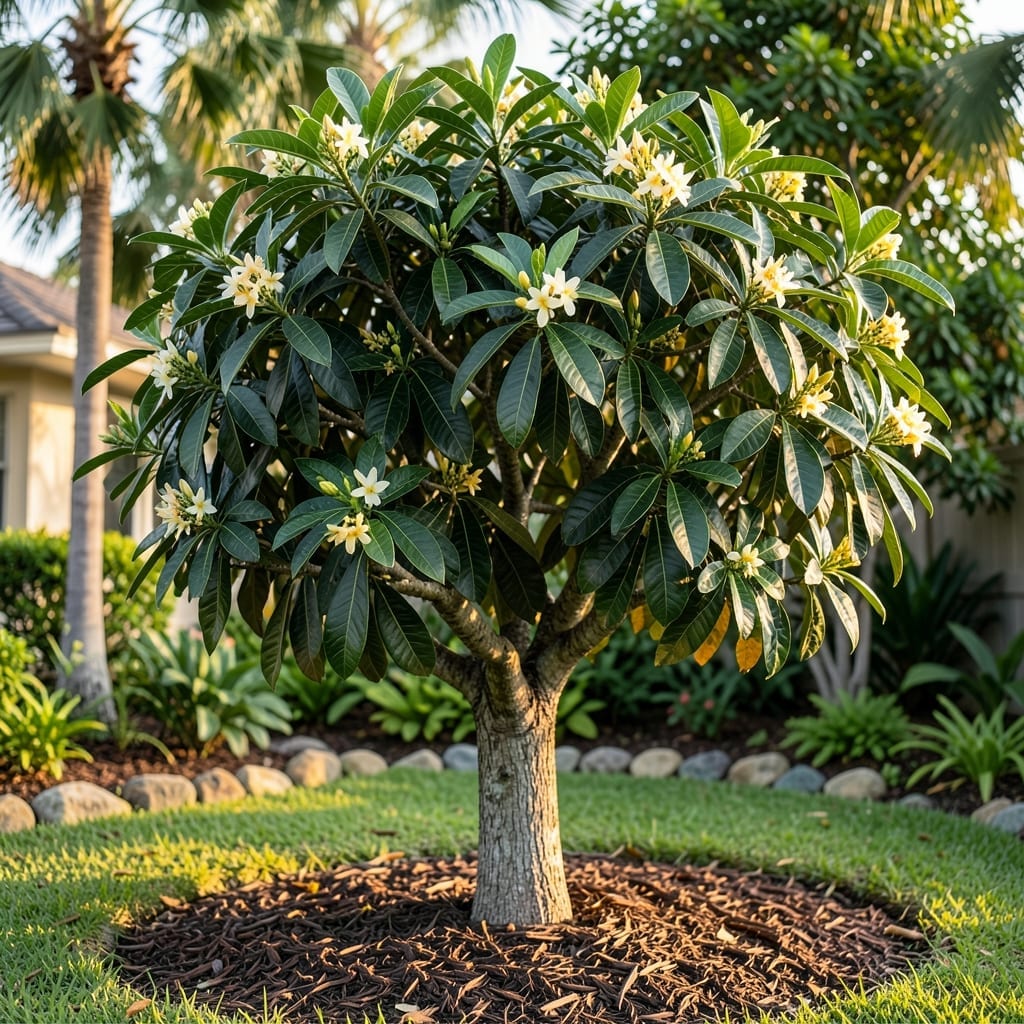
Most mango trees are monoecious and self-pollinating, meaning they produce both male and female flowers on the same tree, allowing them to bear fruit without cross-pollination from another tree.
I find it fascinating how these trees handle reproduction on their own. The male flowers release pollen that naturally lands on the female flowers, making them incredibly low-maintenance for growers. This self-sufficiency is why many home gardeners choose mango trees—they thrive with minimal intervention. 🌟
What’s even more interesting is that some varieties benefit from nearby trees to boost fruit production, even if it’s not strictly necessary.
💡 In This Article
Mango trees produce perfect flowers containing both male and female reproductive parts. Each cluster, called a panicle, can hold 1,000-3,000 tiny blossoms. The male stamens release pollen that naturally falls onto the female pistils in the same flower cluster, eliminating the need for external pollinators in most cases. ✨
Wind plays a crucial role in this process, carrying pollen between flowers on the same tree. Studies show that even gentle breezes of 2-5 mph can facilitate self-pollination effectively. The pollen grains remain viable for 24-48 hours, giving ample time for transfer to occur within the tree’s canopy. 🌬️
What makes this system so efficient is the tree’s flowering pattern. Mango trees typically bloom in flushes, with all flowers opening within a 2-3 week window. This synchronized timing maximizes the chances of pollen reaching receptive stigmas while they’re still fertile. 💫
The flowers themselves have a delicate, sweet fragrance that’s most noticeable in early morning hours when pollen release peaks. This natural rhythm means even isolated mango trees can achieve 70-80% fruit set rates without any human intervention, though yields may be slightly lower than with cross-pollination.
However, environmental factors can influence success. High humidity can cause pollen to clump, while extreme heat above 104°F may reduce pollen viability. Ideal conditions for self-pollination occur at 75-85°F with moderate humidity. ⚡
No, a single mango tree can bear fruit on its own. Most varieties are monoecious, producing both male and female flowers. This self-pollinating nature allows them to set fruit without another tree nearby.
Look for perfect flowers containing both stamens and pistils. These appear in dense clusters called panicles. If your tree produces fruit annually without nearby mango trees, it’s self-pollinating.
Ideal temperatures are 75-85°F with gentle breezes of 2-5 mph. Avoid high humidity, which can clump pollen, or extreme heat above 104°F, which reduces pollen viability.
Yes! Use a soft brush to transfer pollen between flowers during peak bloom. This is especially helpful for container-grown trees or sheltered locations with limited airflow.