
Beautiful Plants For Your Interior
Beautiful Plants For Your Interior
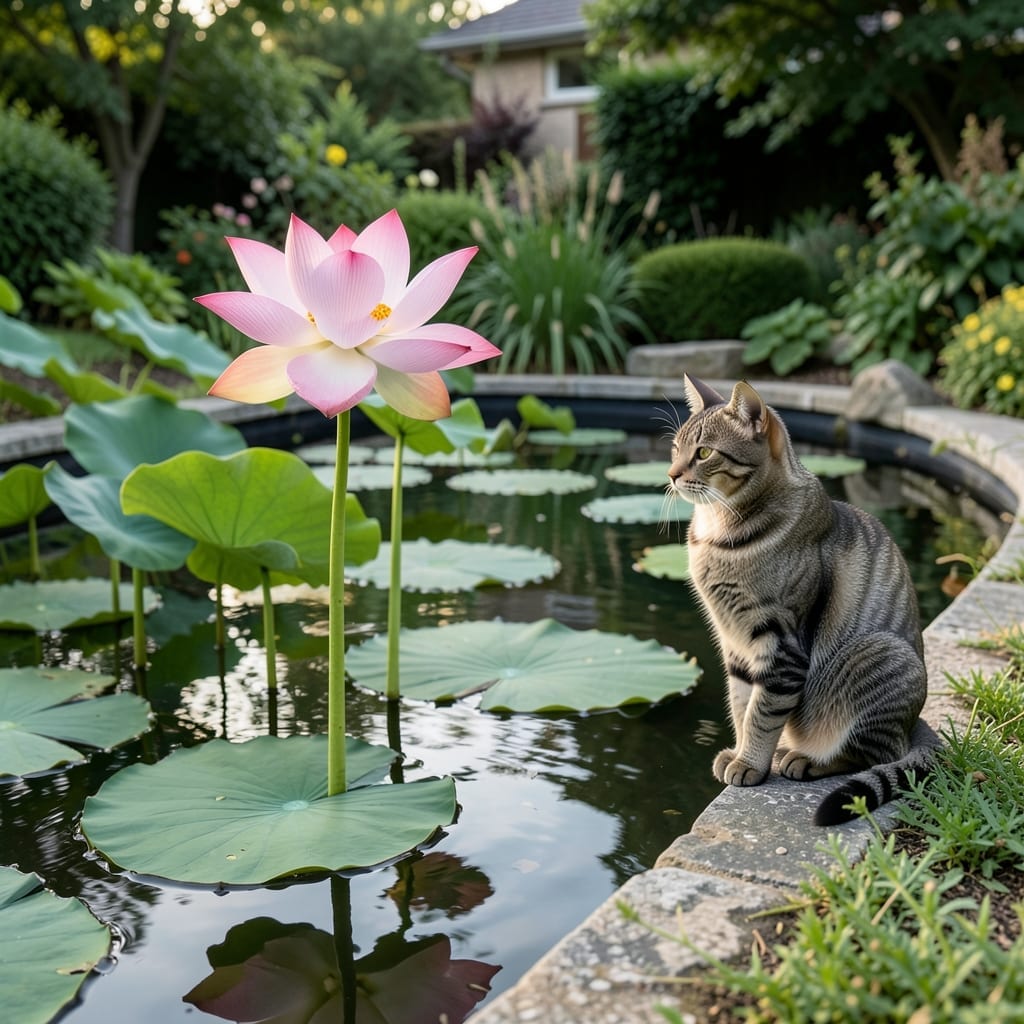
Lotus flowers add serene beauty to ponds and gardens, but their striking appearance hides a potential danger for curious cats. As a pet owner, I was shocked to discover how many common plants pose risks to our feline friends.
The 🌸 Lotus Flower may seem harmless, yet it contains compounds that can be toxic to cats if ingested. Knowing these risks can help you create a safer environment for your pets while still enjoying your garden.
Let me share what I’ve learned about keeping your cats protected and your garden beautiful. You’ll find practical advice that makes all the difference.
As a gardener and cat owner, I was surprised to learn that lotus flowers contain toxic compounds for felines. The entire lotus plant (Nelumbo nucifera) is considered poisonous to cats, with the highest concentration of toxins in the roots and seeds. ☀️
When ingested, these toxins can cause gastrointestinal upset, including vomiting and diarrhea. More severe cases may lead to lethargy or even kidney damage, though this is rare. The ASPCA lists lotus as toxic to both cats and dogs. 🌿
| Plant Part | Toxicity Level | Symptoms |
| Roots | High | Vomiting, diarrhea |
| Seeds | High | Lethargy, drooling |
| Leaves | Moderate | Mild stomach upset |
| Flowers | Low | Minimal reaction |
The severity of poisoning depends on the amount consumed and your cat’s size. A small nibble might cause mild discomfort, while eating larger quantities could require veterinary intervention. I always keep my cats away from the pond area. 🌱
Symptoms typically appear within 2-4 hours of ingestion. Watch for excessive drooling, loss of appetite, or unusual behavior. These signs warrant immediate attention, as early treatment often prevents complications.
Interestingly, some water plants are safe for cats, but lotus isn’t one of them. The toxic principles in lotus include alkaloids and glycosides, which affect a cat’s digestive and nervous systems.
If you suspect your cat has eaten any part of a lotus plant, remove access to the plant and monitor for symptoms. Have your vet’s number handy for emergencies. Prevention is always the best approach.
In my garden, I’ve replaced lotus with cat-safe alternatives like water lilies (Nymphaea), which are non-toxic. Always research plants before adding them to your landscape when you have pets. ✂️
The beautiful lotus may be a centerpiece in many water gardens, but for cat owners, it’s a risk not worth taking. There are plenty of stunning, non-toxic plants that can provide similar aesthetic appeal without the danger.
Remember that even dried lotus flowers or seeds can be harmful. Keep all plant materials out of reach, and educate family members about the risks. A little caution goes a long way in keeping our feline friends safe. 🌷
If you suspect your cat has ingested any part of a lotus plant, stay calm but act quickly. The first step is to remove your cat from the area to prevent further exposure. I keep my vet’s emergency number saved in my phone for situations like this. ☀️
Watch closely for symptoms of poisoning, which may appear within a few hours. These can include vomiting, diarrhea, excessive drooling, or lethargy. Even mild symptoms should be taken seriously, as they can worsen without treatment. 🌿
Emergency Action: Contact your vet or the ASPCA Poison Control immediately at (888) 426-4435. Do not wait for symptoms to appear.
While waiting for professional help, keep your cat hydrated and comfortable. Offer small amounts of water, but don’t force them to drink. Avoid giving any home remedies, as some can be more harmful than the plant itself. 🌱
If possible, bring a sample of the plant or a photo to help your vet identify the toxin. This can speed up diagnosis and treatment. Never induce vomiting unless explicitly instructed by a professional.
In my experience, prevention is key. If you have lotus plants, consider creating a barrier or moving them to an area inaccessible to pets. It’s a small change that can prevent a lot of worry.
After any incident, monitor your cat closely for 24-48 hours. Some symptoms may take time to appear. If your cat seems fine but you’re still concerned, a quick check-up can provide peace of mind. ✂️