
Beautiful Plants For Your Interior
Beautiful Plants For Your Interior
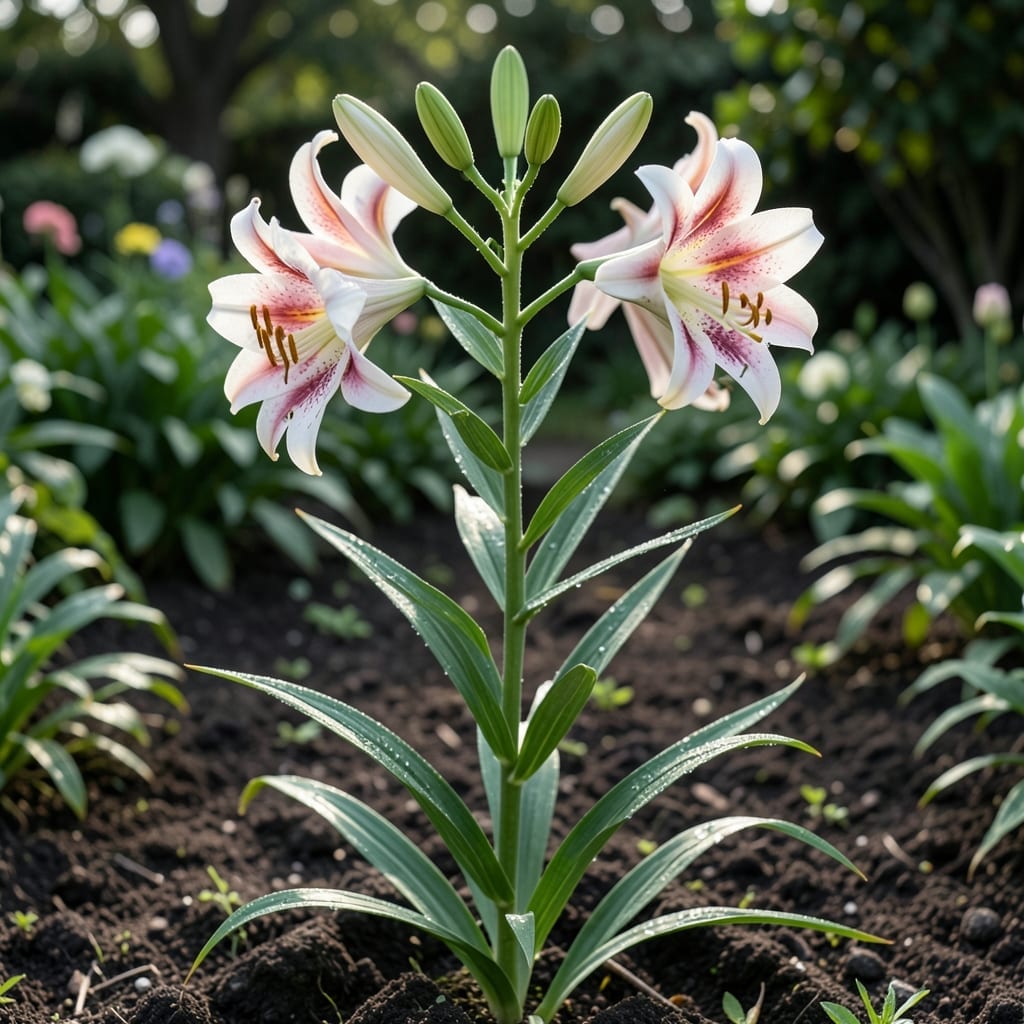
Most true lilies are not highly toxic to humans, but some species can cause mild stomach upset if ingested. However, all parts of the highly toxic lily of the valley can be dangerous, requiring immediate medical attention.
What many don’t realize is that the toxicity varies dramatically between species. Lily of the valley contains powerful cardiac glycosides that can disrupt heart function, while common garden lilies usually just cause nausea. 🔥 I always recommend wearing gloves when handling unknown plants, as even skin contact with certain varieties can cause irritation.
💡 In This Article
The key difference lies in their chemical makeup. True lilies (Lilium) contain mild alkaloids that may cause nausea or diarrhea if eaten in large quantities. Meanwhile, lily of the valley produces 38 different cardiac glycosides, including convallatoxin, which directly affects heart rhythm and blood pressure. 🔥
These compounds disrupt sodium-potassium pumps in heart cells. Just 0.5-1g of lily of the valley plant material can trigger symptoms in adults. The bulbs contain the highest concentration—up to 4x more than flowers—while pollen poses minimal risk unless ingested in extreme amounts. ✨
Other highly toxic varieties include glory lily (Gloriosa superba) with colchicine, a compound used in cancer treatment that can cause multi-organ failure. Even small amounts of its tubers may prove fatal. True lilies like Easter or Tiger lilies typically cause only mild gastrointestinal distress. 💫
Skin contact can also cause reactions. The sap from some species contains calcium oxalate crystals that irritate skin and mucous membranes. Gardeners often report itching or rashes after handling stems without gloves, particularly with daylilies (Hemerocallis) despite their edible reputation. ⚡
Children are most vulnerable due to their smaller size and curiosity. A toddler eating just 2-3 lily of the valley berries could experience dangerous heart arrhythmias. Always supervise young children around flowering plants, even those considered non-toxic. 🌟
The bulbs contain the highest concentration of toxins, especially in lily of the valley. Even 0.5-1g can trigger symptoms. Flowers and stems have lower levels, while pollen poses minimal risk unless consumed in large amounts.
For lily of the valley, seek help immediately if you notice irregular heartbeat or confusion. True lilies may cause nausea or skin irritation from sap. Always monitor children closely after garden exposure.
No—many plants share the name but differ in toxicity. True lilies (Lilium) are mild, while lily of the valley is highly poisonous. Daylilies may cause skin reactions despite being edible for some.
Wear gloves and wash hands after touching any lilies. Store bulbs out of reach and teach kids never to eat plants. Consider non-toxic alternatives like roses for child-friendly areas.