
Beautiful Plants For Your Interior
Beautiful Plants For Your Interior
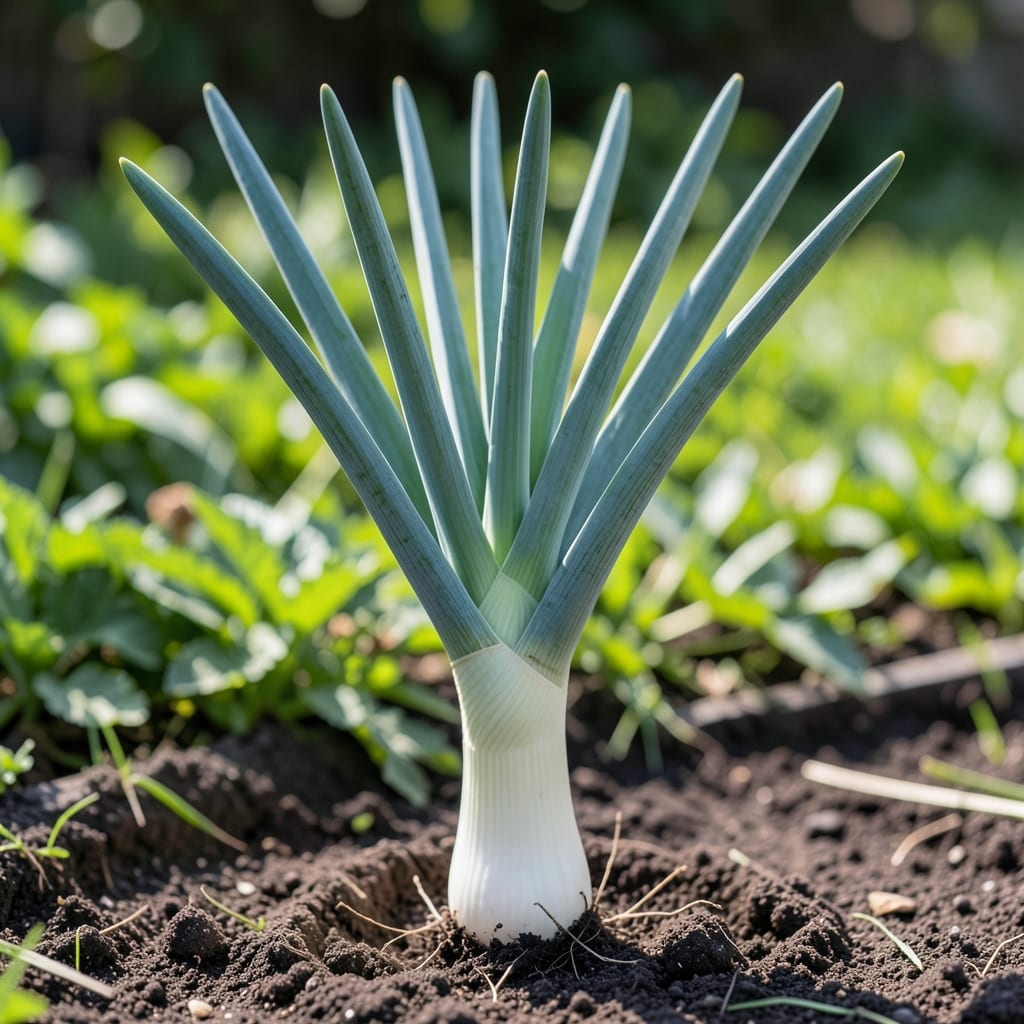
Leeks are indeed vegetables, classified botanically as Allium ampeloprasum, part of the onion family. They are grown for their edible white and light green stalks.
I love how leeks bring a mild, onion-like flavor without overpowering dishes. In my kitchen, they’re a staple for soups and stews, where their subtle sweetness shines. Unlike their bulbous cousins, leeks have a long, cylindrical shape with tightly wrapped layers that need thorough cleaning before use. ✨
What sets them apart is their ability to add depth to recipes while remaining gentle on the palate. 🔥
💡 In This Article
Leeks belong to the Allium genus, making them close relatives of onions, garlic, and shallots. This classification places them in the Amaryllidaceae family, where all members share sulfur compounds that create their characteristic pungent aromas. The key difference with leeks is their elongated, non-bulbous structure, with an edible portion that can grow 12-24 inches long.
🌟
Botanically, leeks are considered vegetables because we consume their herbaceous stems and leaves, not their seeds or flowers. The white and light green portions develop underground or just above soil level, while the dark green tops are tougher and typically discarded.
This growth pattern distinguishes them from bulb onions, which form rounded storage organs beneath the soil. ✨
What makes leeks unique in the Allium family is their milder flavor profile. They contain approximately 0.05-0.1% sulfur compounds compared to onions’ 0.1-0.5%, resulting in a more delicate taste. This lower concentration of allicin (the compound responsible for onion’s sharpness) makes them particularly valued in French and European cuisines where subtle flavor is preferred. 💫
The plant’s structure also affects its culinary use. While onions are typically diced or sliced, leeks are often used whole or in large pieces because their layered construction holds together during cooking. This makes them ideal for braising or adding to stocks where their structure can infuse flavor without disintegrating. 🔥
From a nutritional perspective, leeks offer a unique combination of vitamins and minerals. They’re particularly rich in vitamin K (47mcg per 100g), vitamin A, and folate, while providing dietary fiber that supports digestive health. This nutritional profile differs slightly from other Allium vegetables, making leeks a valuable addition to a balanced diet. ⚡
The edible portion includes the white and light green parts of the stalk. The dark green tops are too tough and fibrous, so they’re usually discarded or used for stock. Always clean thoroughly between layers to remove dirt.
Leeks have a milder, sweeter taste than onions, with about 0.05-0.1% sulfur compounds. They’re often used whole or in large pieces because their layers stay intact during cooking, unlike onions which break down.
Yes! Start seedlings indoors 8-10 weeks before the last frost. Plant in well-draining soil with a pH of 6.0-7.0, and blanch stems by mounding soil around the base as they grow. Harvest after 100-120 days.
They’re rich in vitamin K (47mcg per 100g), vitamin A, and folate. Leeks also provide dietary fiber for digestive health, making them a great addition to a balanced diet.