
Beautiful Plants For Your Interior
Beautiful Plants For Your Interior
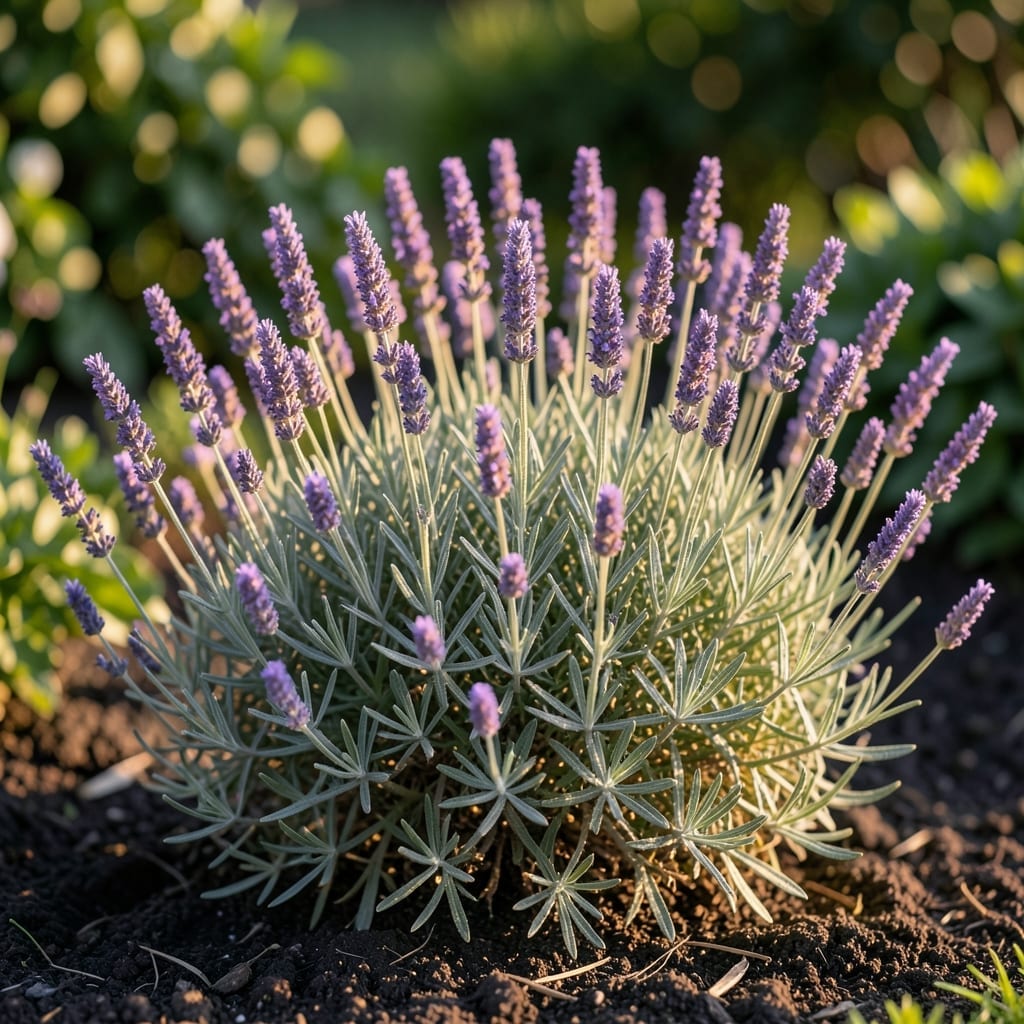
Lavender trees, or large lavender shrubs, are typically woody perennials that return each year in suitable climates, often living 5-10 years with proper care.
What makes lavender so reliable is its woody base that survives winter dormancy, regenerating fresh growth each spring. I’ve seen well-maintained plants thrive for over a decade in USDA zones 5-9, especially when given full sun and well-draining soil. The key is understanding that these aren’t true trees but shrubs trained into tree-like forms. 💫
Their resilience comes from deep root systems that store energy, allowing them to bounce back year after year with minimal effort. ✨
💡 In This Article
Lavender’s perennial nature stems from its woody base and extensive root system. Unlike herbaceous perennials that die back completely, lavender retains its woody stems year-round, allowing it to regrow from the same structure each spring.
This adaptation is particularly strong in USDA zones 5-9, where the plant can survive winter temperatures as low as -15°F with proper protection. 🌟
The root system plays a crucial role in its longevity. Lavender develops deep, fibrous roots that store energy and nutrients, enabling the plant to rebound after dormancy. These roots also make it highly drought-tolerant once established, requiring minimal watering compared to other perennials.
The woody stems, which can grow up to 3-4 feet tall, provide structural support for new growth each season.
Seasonal regrowth begins as temperatures rise in spring. The plant produces fresh green shoots from the woody base, which quickly develop into flowering stems. In ideal conditions, lavender can produce blooms for 3-4 months each year, with peak flowering typically occurring in mid to late summer.
This cycle repeats annually, making it a dependable choice for gardens.
What sets lavender apart is its ability to thrive in poor, rocky soils where other plants struggle. Its Mediterranean origins have equipped it with a natural resilience to harsh conditions, including high heat and limited rainfall. This adaptability contributes to its long lifespan, often exceeding 10 years in well-maintained gardens. ✨
The woody structure also allows lavender to be shaped into tree-like forms through careful pruning. These “lavender trees” maintain their perennial traits, returning each year with the same woody framework. However, they require consistent pruning to maintain their shape and prevent the woody base from becoming too dense or unproductive. 💫
With proper care, they often thrive for 5-10 years, sometimes longer in ideal conditions. Their woody base allows them to regrow each spring, making them a long-term garden investment.
They flourish in USDA zones 5-9, tolerating temperatures down to -15°F with winter protection. Hot, dry summers mimic their native Mediterranean habitat.
Well-draining soil is essential—mix 1 part sand to 2 parts native soil at planting. Avoid heavy clay or soggy conditions, which can cause root rot.
Prune annually in early spring, removing about 1/3 of the growth to maintain shape. Avoid cutting into old wood, as it won’t regenerate new shoots.
Overwatering is the leading cause of failure. Once established, water deeply but only once every 2-3 weeks. Let the soil dry completely between waterings.