
Beautiful Plants For Your Interior
Beautiful Plants For Your Interior
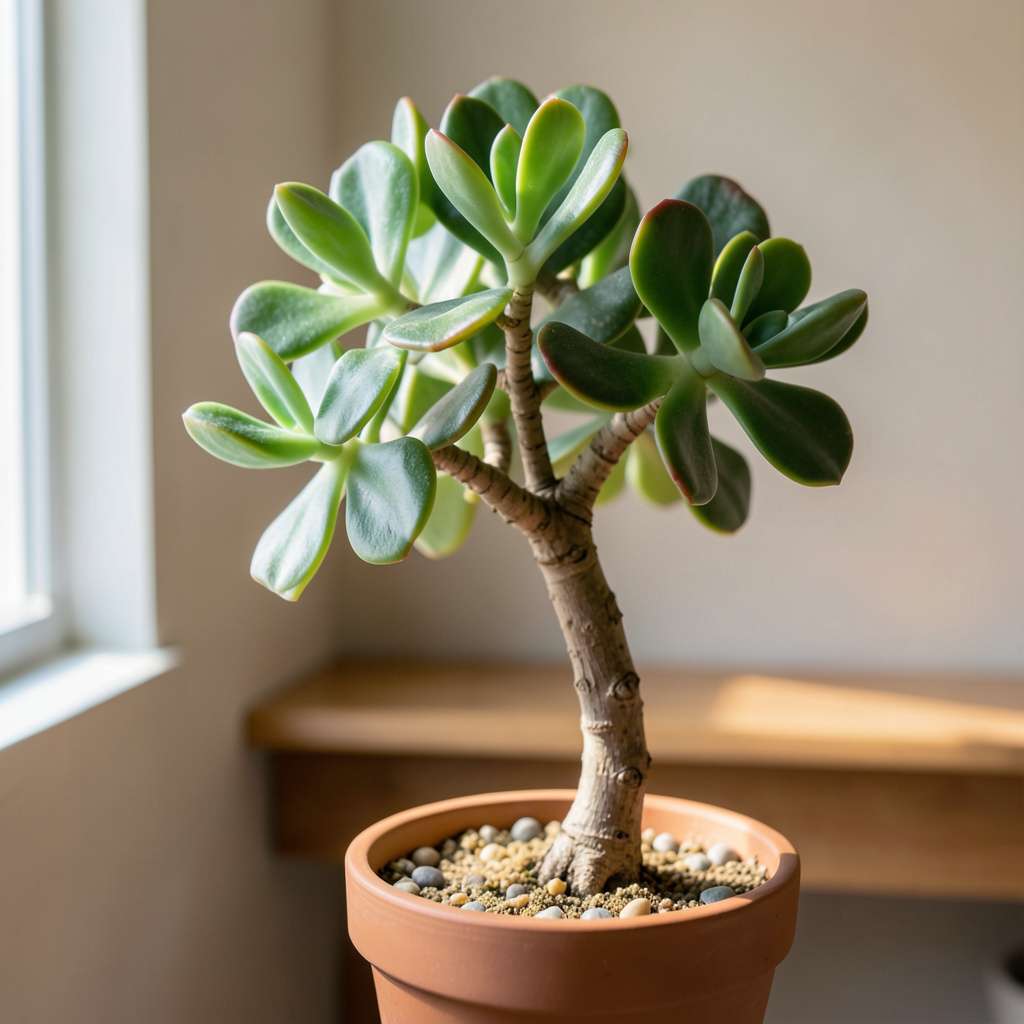
Yes, jade plants are toxic to cats due to unknown compounds that cause vomiting, lethargy, and incoordination. Even small amounts can be harmful, so keep them out of reach and contact your vet immediately if ingestion occurs.
I’ve seen firsthand how curious cats can’t resist nibbling on houseplants, which makes jade plants particularly risky. 🐱 The toxicity stems from compounds that disrupt a cat’s digestive and nervous systems, often leading to symptoms within hours. What’s concerning is that even dried leaves or fallen plant debris can pose a threat—something many pet owners overlook when placing these succulents in sunny windowsills.
From my experience working with plant enthusiasts, I always recommend checking the ASPCA’s toxic plant list before bringing new greenery home. Jade plants are especially problematic because their thick, glossy leaves seem harmless but contain irritants that can cause oral irritation, drooling, and difficulty walking in felines. The severity often depends on how much was consumed and your cat’s size.
💡 In This Article
The toxicity in jade plants (Crassula ovata) comes from unidentified saponins and other irritant compounds that disrupt feline physiology. When ingested, these substances attack the mucous membranes in a cat’s mouth and gastrointestinal tract, triggering immediate inflammation.
The irritation spreads rapidly, often causing excessive drooling within 30-60 minutes as the body attempts to flush out the toxins. What makes this particularly dangerous is how quickly symptoms escalate—what starts as oral discomfort can progress to systemic issues as the compounds enter the bloodstream. 🚨
Veterinary toxicologists classify jade plant poisoning as moderately severe, with symptoms typically appearing within 2-12 hours of ingestion. The most concerning effects involve the nervous system, where cats may develop ataxia (loss of coordination) or depression-like lethargy. This happens because the toxins interfere with normal neurotransmitter function, particularly affecting the cerebellum which controls balance.
I’ve seen cases where cats struggled to walk straight for 24-48 hours after nibbling just a few leaves—demonstrating how potent these compounds are even in small doses. 💀
The plant’s thick, water-retaining leaves contain higher concentrations of toxins than the stems, making them especially hazardous. A single 1-inch leaf can contain enough irritants to cause symptoms in an average 10-pound cat. The waxy coating on jade leaves also makes the toxins more resistant to breakdown in a cat’s digestive system, prolonging exposure.
Unlike some plant toxins that get neutralized by stomach acid, jade plant compounds remain active longer, which is why vomiting often persists for 6-12 hours after ingestion. 🤢
What complicates treatment is that we don’t know the exact chemical structure of the toxic compounds. Veterinarians typically provide supportive care—IV fluids for dehydration, anti-nausea medications, and sometimes activated charcoal to bind remaining toxins.
The prognosis is generally good with prompt treatment, but delayed care can lead to secondary complications like electrolyte imbalances or liver stress. I always advise pet owners to keep the ASPCA Animal Poison Control number (888-426-4435) saved in their phones for emergencies like this. 📞
Long-term risks are rare but possible with repeated exposures. Chronic low-level ingestion could potentially lead to cumulative liver damage, though this would require multiple incidents over time. The bigger immediate concern is the risk of aspiration if a cat vomits while sedated from the toxins.
This is why vets often monitor breathing closely during the first 12-24 hours after ingestion. Prevention remains the best approach—keeping jade plants in rooms cats can’t access or using hanging planters at least 6 feet off the ground. 🌿
Symptoms typically develop within 2-12 hours after ingestion. The first signs are usually excessive drooling or vomiting, as the toxins immediately irritate the mouth and digestive tract. Neurological symptoms like wobbliness may take slightly longer to appear.
Remove any plant material from their mouth and rinse with water. Call your vet or ASPCA Poison Control (888-426-4435) immediately—don’t wait for symptoms. Bring a sample of the plant for identification if you’re unsure it’s jade.
The leaves contain the highest concentration of toxins, but stems and roots are also dangerous. A single 1-inch leaf can cause symptoms in a 10-pound cat. Even dried leaves or plant debris pose risks, so clean up any fallen material promptly.
Long-term effects are rare but possible with repeated exposures. Chronic ingestion could potentially stress the liver or kidneys over time. The immediate concern is dehydration from vomiting or aspiration risk if a sedated cat vomits while lying down.
Place plants in rooms cats can’t access or use hanging planters 6+ feet high. Consider transparent barriers or bitter apple spray (pet-safe) on leaves. Better yet, replace with cat-safe alternatives like haworthia or peperomia.
