
Beautiful Plants For Your Interior
Beautiful Plants For Your Interior
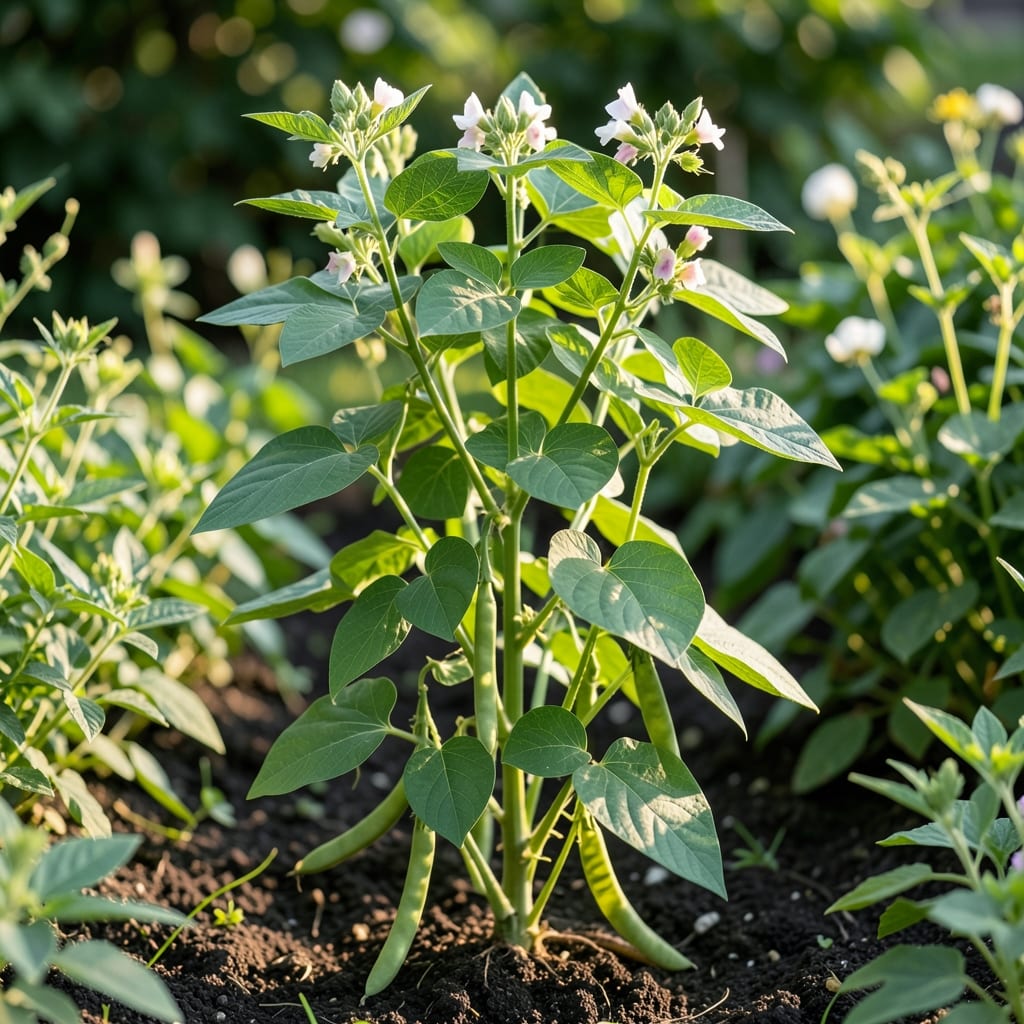
Jade green beans are not heirloom; they are a modern hybrid variety developed for disease resistance and consistent yields, unlike open-pollinated heirloom beans passed down through generations.
I chose Jade beans for my garden because they resist common diseases like bean mosaic virus and produce reliably. 🔥 Unlike heirlooms, which can vary in flavor and size, Jade beans offer uniform 6-inch pods perfect for fresh eating or canning. Their stability comes from controlled cross-pollination rather than natural selection over time.
💡 In This Article
Jade beans were developed through selective cross-breeding in the 1970s, combining traits from multiple parent plants to create a disease-resistant variety. This controlled process differs from heirlooms, which naturally adapt over decades through open pollination. The result is a stable, predictable plant that produces uniform 6-inch pods with consistent flavor and texture. 🔥
Heirloom beans, like ‘Kentucky Wonder‘ or ‘Blue Lake‘, maintain genetic diversity because they’re open-pollinated—meaning bees and wind spread pollen naturally. Jade beans, however, are F1 hybrids, meaning their seeds won’t grow true to type if saved. This is why gardeners must repurchase Jade seeds annually for the same reliable harvest. ✨
In terms of performance, Jade beans excel in resistance to bean mosaic virus and rust diseases, which often plague heirloom varieties. Their vigorous vines reach 18-24 inches tall, producing heavy yields in as little as 55-60 days. This predictability makes them a favorite among commercial growers and home gardeners alike. 💫
The trade-off is flavor complexity. While heirlooms may offer nuanced, region-specific tastes, Jade beans provide a balanced, mild flavor that works well in numerous dishes. Their texture remains crisp-tender when harvested young, making them ideal for steaming, stir-frying, or fresh salads. 🌟
For seed savers, this distinction is crucial. Heirloom seeds can be collected and replanted year after year, preserving family or cultural traditions. Jade seeds, if saved, may revert to their parent plants’ traits, producing inconsistent or less desirable beans. This fundamental difference highlights why Jade beans are classified as hybrids, not heirlooms. ⚡
No, Jade beans are F1 hybrids, so their seeds won’t grow true to type. You may get plants with inconsistent traits or lower yields. Always buy fresh seeds for reliable results.
Heirloom varieties often have unique, nuanced flavors tied to their region. Jade beans offer a mild, balanced taste that works well in many dishes, but may lack the complexity of older varieties.
They were selectively bred in the 1970s to combine disease-resistant traits from parent plants. This makes them less susceptible to issues like bean mosaic virus and rust.
Pick pods when they’re 4-6 inches long and firm. Harvest every 2-3 days to encourage more production. Morning is ideal for the crispiest texture.