
Beautiful Plants For Your Interior
Beautiful Plants For Your Interior
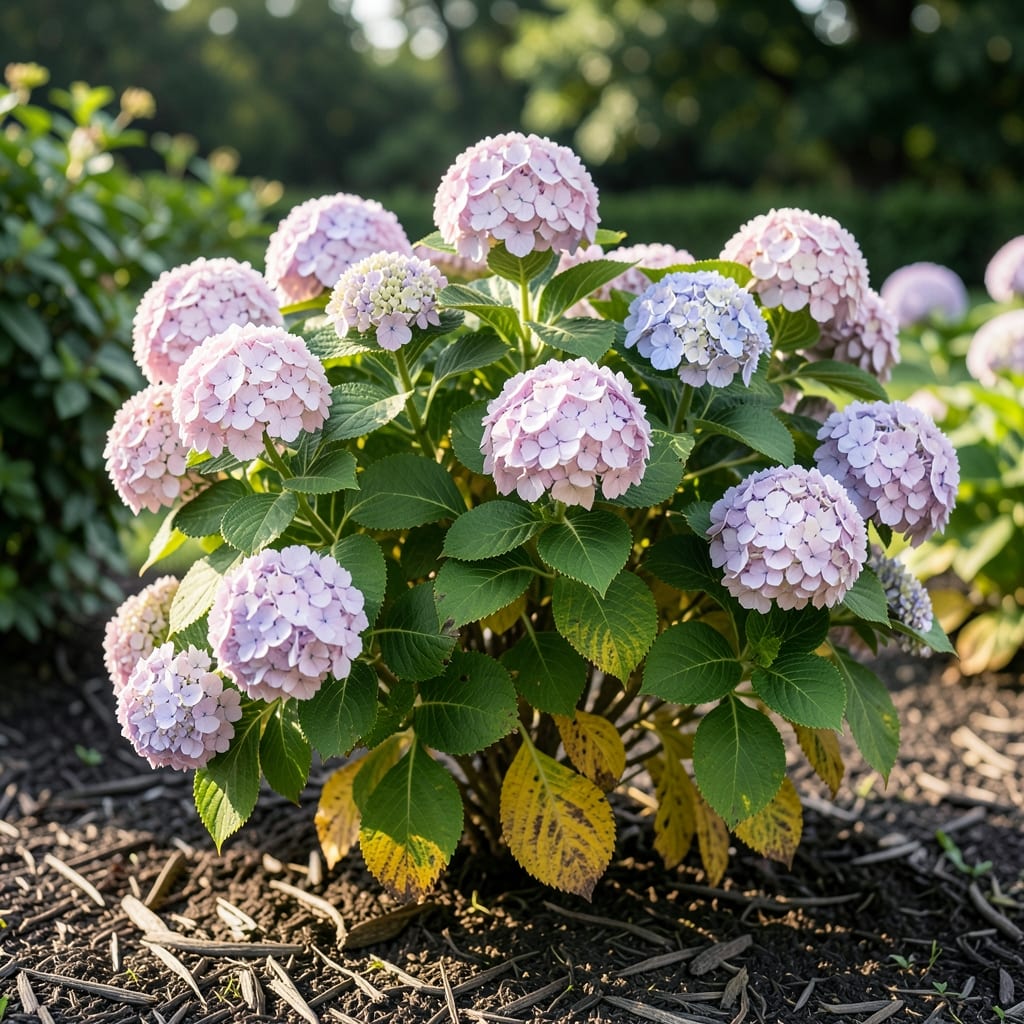
Most hydrangea varieties are deciduous, meaning they lose their leaves annually in fall and regrow them each spring. Evergreen types exist but are less common in colder climates.
I’ve noticed this seasonal change is nature’s way of conserving energy during dormancy, allowing the plant to focus on root development. 🌟 The shift from lush green to bare branches signals the perfect time for pruning, which helps maintain shape and health. In my experience, even evergreen varieties in milder zones benefit from understanding their natural growth rhythm for optimal care.
💡 In This Article
Hydrangeas shed leaves as a survival mechanism triggered by temperature drops and shorter daylight. This process, called senescence, begins when chlorophyll breaks down, revealing hidden pigments that create autumn’s vibrant reds, purples, and golds. The plant then reabsorbs nutrients from leaves before they fall, storing energy in roots for spring regrowth. 🌟
Bigleaf and panicle hydrangeas typically drop all foliage when temperatures dip below 40°F for extended periods. Oakleaf varieties may hold leaves slightly longer, but all deciduous types enter full dormancy by winter. This restart cycle allows the plant to focus energy on root development and next year’s flower buds. ⚡
The biological trigger involves hormone changes—specifically a rise in ethylene (the aging hormone) and a drop in auxin (the growth hormone). This shift signals the plant to form an abscission layer at the leaf stem base. Once complete, even light wind can detach leaves cleanly without damaging the plant. 🔥
Evergreen hydrangeas, like some climbers in USDA zones 8-10, skip this process entirely. Their leaves persist year-round due to milder winters that prevent dormancy triggers. These varieties have adapted to maintain photosynthesis even in cooler months, though they may still experience partial leaf drop during extreme cold snaps. ✨
What fascinates me most is how this cycle varies by microclimate. A bigleaf hydrangea in zone 5 might be completely bare by November, while the same variety in zone 7 could retain foliage until December. This adaptability explains why hydrangeas thrive across such a wide geographic range. 💫
Most do, including bigleaf, panicle, and oakleaf types. These varieties enter dormancy when temperatures drop below 40°F. However, some climbing hydrangeas in warmer zones may retain foliage year-round.
Check its variety and your climate zone. If it’s a bigleaf or panicle type in zones 3-7, it will lose leaves annually. Evergreen varieties typically thrive only in zones 8-10 with mild winters.
Timing depends on the type. Prune bigleaf and oakleaf right after blooming in summer. For panicle and smooth varieties, late winter or early spring is best. Always use clean tools at a 45-degree angle.
This happens during senescence, when chlorophyll breaks down. Hidden pigments like anthocyanins and carotenoids become visible, creating red, purple, or gold hues before leaf drop.