
Beautiful Plants For Your Interior
Beautiful Plants For Your Interior
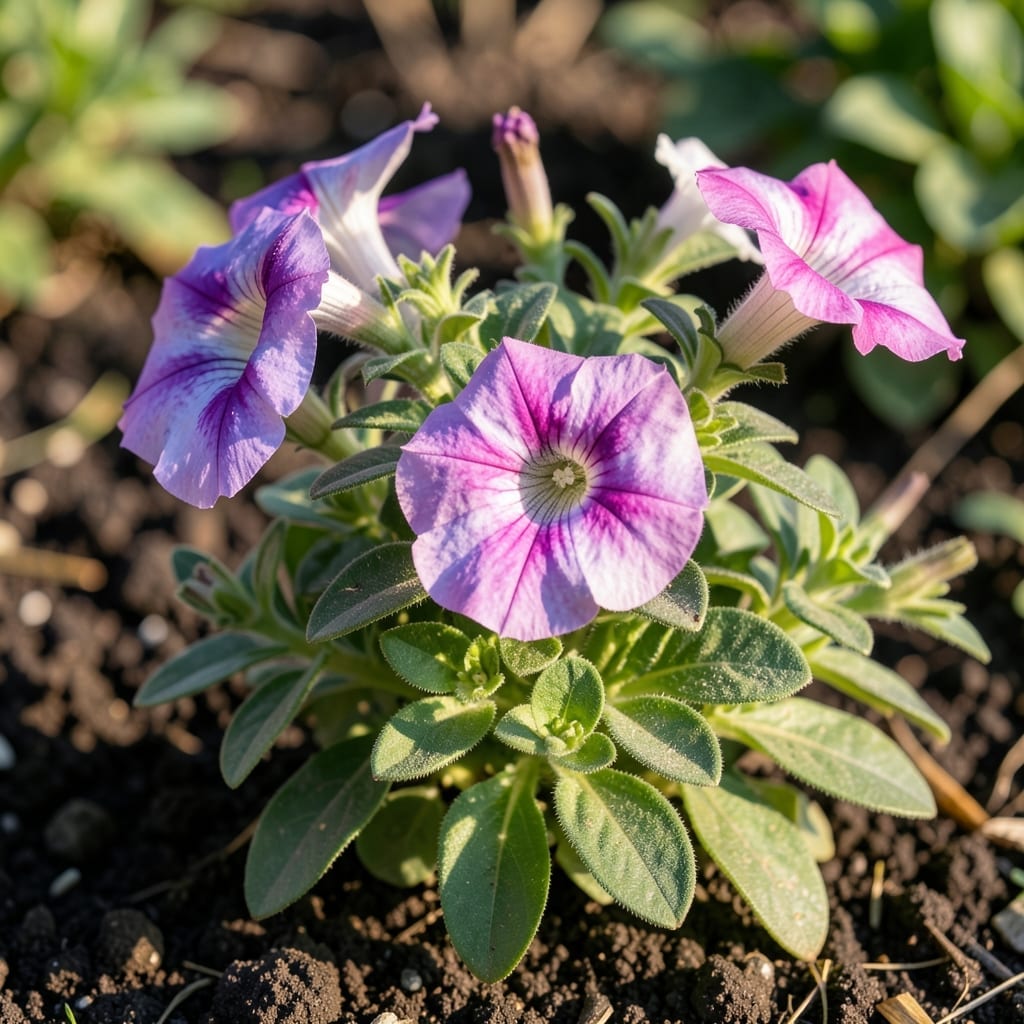
Yes, hummingbirds are often drawn to petunias, especially vibrant red, pink, and purple varieties. Their tubular flowers provide easy access to nectar, making them a favorite for these tiny pollinators.
I’ve noticed these birds have a particular affinity for bright blooms because their vision is tuned to ultraviolet patterns that petunias often display. 🌟 The long, slender shape of the flowers perfectly accommodates their specialized beaks and tongues, which are designed for reaching deep into blossoms. This natural pairing makes petunias a top choice for gardeners looking to attract these energetic visitors.
💡 In This Article
Hummingbirds see a world invisible to us, with petunias displaying vivid UV patterns that act like neon signs. Their eyes have four color cones (vs. our three), making reds, purples, and pinks appear brighter. These colors signal high nectar rewards, triggering their feeding instinct immediately. 🌟
Petunia flowers have a tubular shape measuring 1-2 inches deep, perfectly matching a hummingbird’s 3-4 inch bill length. This design allows their specialized, forked tongues to reach nectar efficiently. The flower’s structure also protects the nectar from rain dilution, maintaining its 15-25% sugar concentration that these birds prefer.
The nectar itself contains sucrose, glucose, and fructose in precise ratios that provide maximum energy. A single petunia can produce 1-3 microliters of nectar daily. For a hummingbird burning energy at 10x the rate of a sparrow, this is equivalent to a high-octane fuel source. Their metabolism demands feeding every 10-15 minutes during daylight. ⚡
What’s fascinating is how petunias time their nectar production. They secrete most nectar in early morning (5-7 AM), aligning perfectly with hummingbirds’ first feeding frenzy after dawn. The flowers also reabsorb nectar at night, conserving energy while ensuring fresh supplies for morning visitors.
Research shows hummingbirds can remember the exact location of productive flowers and will return to the same petunia plants daily. They’ve been observed visiting up to 1,000 flowers in a single day, with petunias often being their preferred stop due to the reliable nectar supply and easy access. 💫
The plant benefits too—hummingbirds are efficient pollinators, transferring pollen between petunias as they feed. Their long bills can reach the stamens at the flower’s base, where other pollinators can’t. This mutualistic relationship explains why petunias have evolved such perfect hummingbird adaptations over millions of years.
Hummingbirds are most drawn to bright reds, pinks, and purples in petunias. These colors are highly visible in their UV spectrum vision, signaling rich nectar sources.
Plant in groups of 3-5 for visibility and easy access. Use hanging baskets or vertical arrangements to create multiple feeding levels. Full sun and consistent moisture keep blooms abundant.
No—single-bloom varieties with open throats are best. Double-flowered types may block nectar access. Wave and Supertunia series are especially popular.
Early morning (5-7 AM) is peak time, as petunias secrete fresh nectar then. Hummingbirds feed most actively at dawn to fuel their high metabolism.