
Beautiful Plants For Your Interior
Beautiful Plants For Your Interior
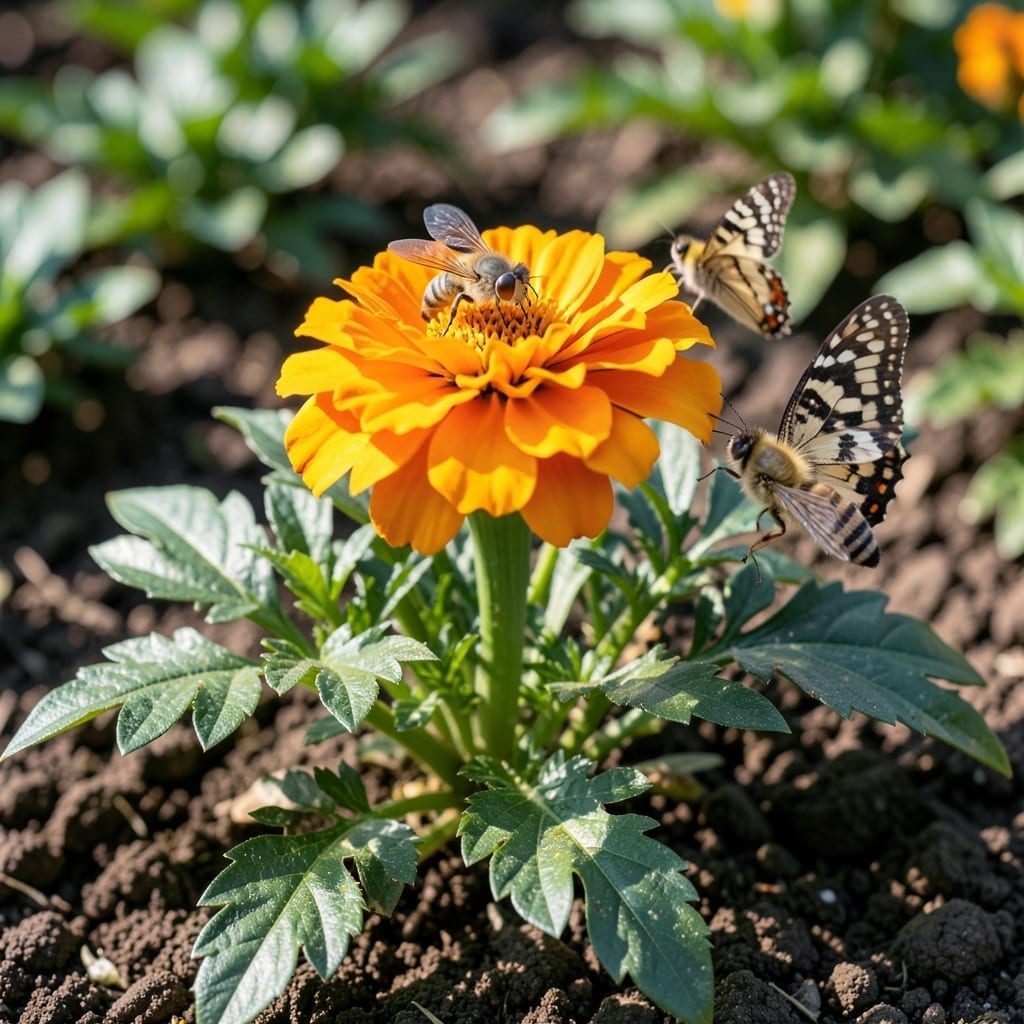
House flies can act as pollinators, though they’re far less effective than bees. They transfer pollen while feeding on nectar, flowers, or decaying matter, aiding some plants in garden ecosystems.
While they lack the specialized body structures of bees for pollen collection, their constant movement between food sources makes them accidental pollen carriers. I’ve noticed they’re particularly drawn to flat, open flowers like daisies, where their short feeding probes can access nectar easily. This incidental process supports biodiversity, though it’s no substitute for dedicated pollinators. 🔥
Their role becomes more noticeable in urban gardens where bee populations might be sparse. Still, I’d recommend focusing on attracting bees and butterflies for more reliable results. ✨
💡 In This Article
House flies lack the specialized body hairs and pollen baskets of bees, but their constant foraging makes them accidental pollinators. As they move between flowers, decaying fruit, and other food sources, pollen grains stick to their legs, mouthparts, and bodies through electrostatic forces.
Studies show they can carry 100-500 pollen grains per trip, though this pales compared to a honeybee’s 1 million+ per foraging run. 🔥
Their short proboscis limits them to flat, open blooms like daisies, asters, and goldenrod where nectar is easily accessible. Unlike bees that vibrate flowers to release pollen (buzz pollination), house flies rely on direct contact. They’re particularly active in urban gardens where their populations thrive, filling pollination gaps when bee numbers are low. ✨
What makes them secondary pollinators is their lack of flower fidelity. Bees typically focus on one plant species per foraging trip, ensuring efficient pollen transfer between compatible flowers. House flies, however, visit whatever food source is available, often carrying pollen to unrelated plants where it’s wasted.
Their erratic movement pattern reduces successful pollination rates by 70-90% compared to bees. ⚡
Their contribution becomes more significant for plants that produce strongly scented or fermenting nectar, which attracts flies more than bees. Carrots, parsnips, and some orchids actually rely partially on fly pollination in nature. In garden settings, they may help pollinate herbs like dill and parsley when bee activity is minimal. 💫
While their role shouldn’t be overstated, house flies do contribute to genetic diversity in plants. Their accidental pollen transfer can create unexpected cross-pollination between garden varieties, sometimes resulting in interesting hybrids. This random distribution helps maintain plant resilience in disturbed ecosystems where specialized pollinators are absent. 🌟
They pick up pollen on their legs and bodies while feeding on flowers or decaying matter. As they move between plants, some grains rub off onto other blooms. Their short proboscis limits them to flat flowers like daisies.
House flies lack specialized pollen-carrying structures and don’t focus on single plant species. Their erratic movement wastes 70-90% of pollen compared to bees’ targeted approach. Bees also carry up to 1 million grains per trip.
Plants with strongly scented or fermenting nectar attract them best. Carrots, parsnips, and some orchids rely partially on flies in nature. Garden herbs like dill may also get incidental help.
No, their contribution is too inconsistent. Focus on attracting bees and butterflies with native flowers and water sources for reliable pollination. House flies are only a backup option.