
Beautiful Plants For Your Interior
Beautiful Plants For Your Interior
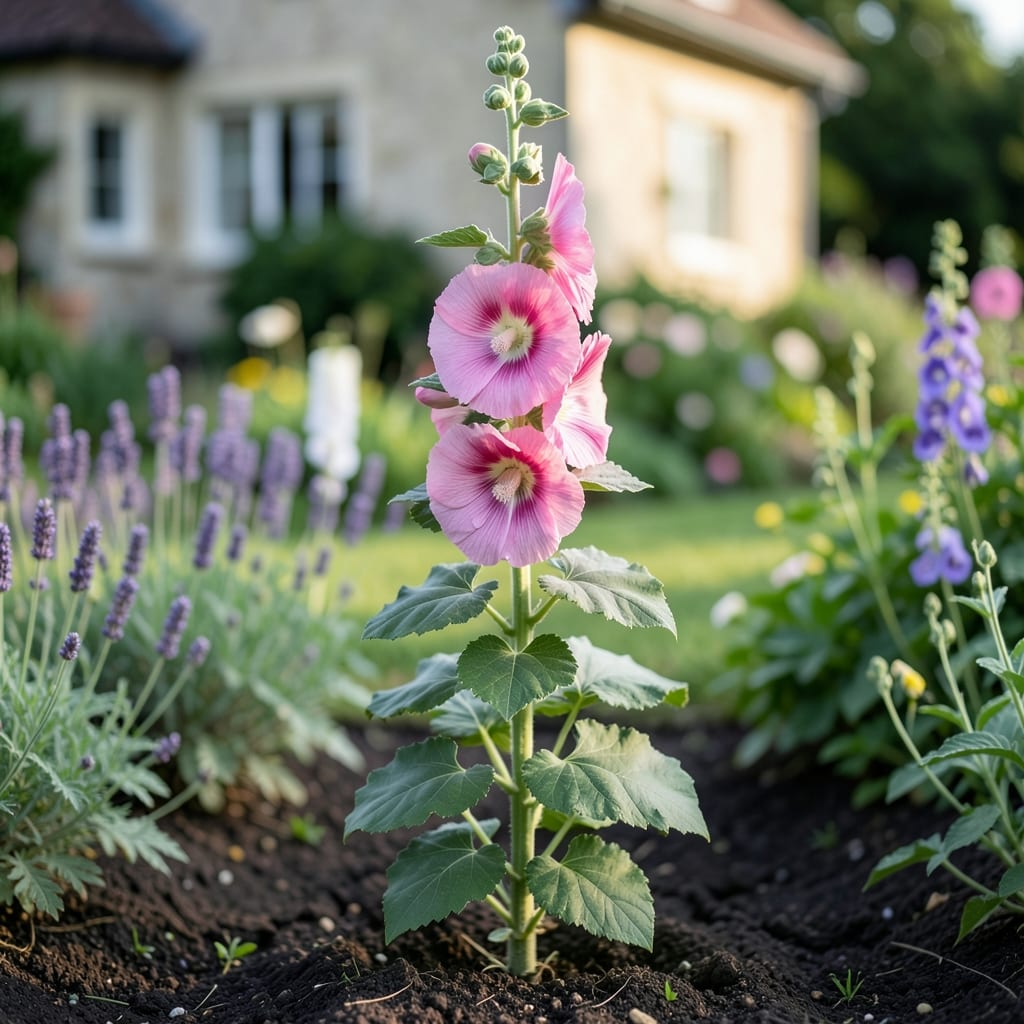
Hollyhocks are not typically invasive but can self-seed aggressively in ideal conditions. They spread moderately in gardens but rarely disrupt native ecosystems.
I’ve noticed hollyhocks thrive in cottage gardens where their tall spikes add vertical drama without crowding other plants. Self-seeding happens most in loose, well-draining soil with full sun, but the new plants are easy to pull if they pop up where you don’t want them. They rarely outcompete native species, making them a low-maintenance choice for pollinator-friendly spaces. 🌟
💡 In This Article
Hollyhocks propagate primarily through self-seeding, dropping hundreds of round, flat seeds from their dried flower pods. Each pod can contain 30-50 seeds, which easily disperse in wind or water. The seeds remain viable in soil for 2-3 years, germinating when conditions are right—typically in disturbed soil with full sun and consistent moisture.
This natural process explains why gardeners often see new plants appearing in unexpected spots. 🌱
Root systems play a secondary role in spread. While hollyhocks develop deep taproots that anchor their tall stems, they don’t produce aggressive rhizomes or runners like mint or bamboo. The taproot grows 12-18 inches deep, but lateral spread is minimal, usually staying within 1-2 feet of the original plant.
This contained growth pattern makes them far less invasive than species with creeping underground stems. ✨
Environmental triggers significantly influence propagation. Seeds germinate best when soil temperatures reach 60-70°F in spring. In USDA zones 3-8, where hollyhocks thrive, the combination of warm days and cool nights creates ideal conditions for seedling establishment. However, in hotter climates (zones 9+), the plants often struggle, naturally limiting their spread. 💫
What makes hollyhocks distinct from true invasive species is their lack of ecological disruption. Unlike purple loosestrife or kudzu, hollyhocks don’t form dense monocultures that choke out native plants. Their moderate growth rate and preference for disturbed soils means they coexist well with other garden species.
Even in ideal conditions, a single plant might produce 50-100 offspring in a season—not enough to overwhelm a garden. 🌟
Garden observations show hollyhocks tend to naturalize in specific microclimates. They favor the slightly protected, well-composted areas near fences or walls where seeds accumulate. In contrast, they rarely establish in dense shade or waterlogged soils. This selective colonization prevents the kind of uncontrolled spread that characterizes truly invasive plants. ⚡
They can self-seed moderately in ideal conditions with full sun and well-draining soil. Each plant may produce 50-100 seeds that germinate in disturbed areas, but growth stays contained.
Unlikely. Their spread is limited by shallow lateral roots and preference for specific microclimates. Unlike aggressive invasives, they won’t choke out other plants when properly managed.
Deadhead spent blooms before seed pods form to stop self-seeding. For existing seedlings, pull when young before taproots develop, using a hand trowel for best results.
They thrive in USDA zones 3-8 with warm days and cool nights. In hotter zones 9+, they often struggle, naturally limiting their spread.