
Beautiful Plants For Your Interior
Beautiful Plants For Your Interior
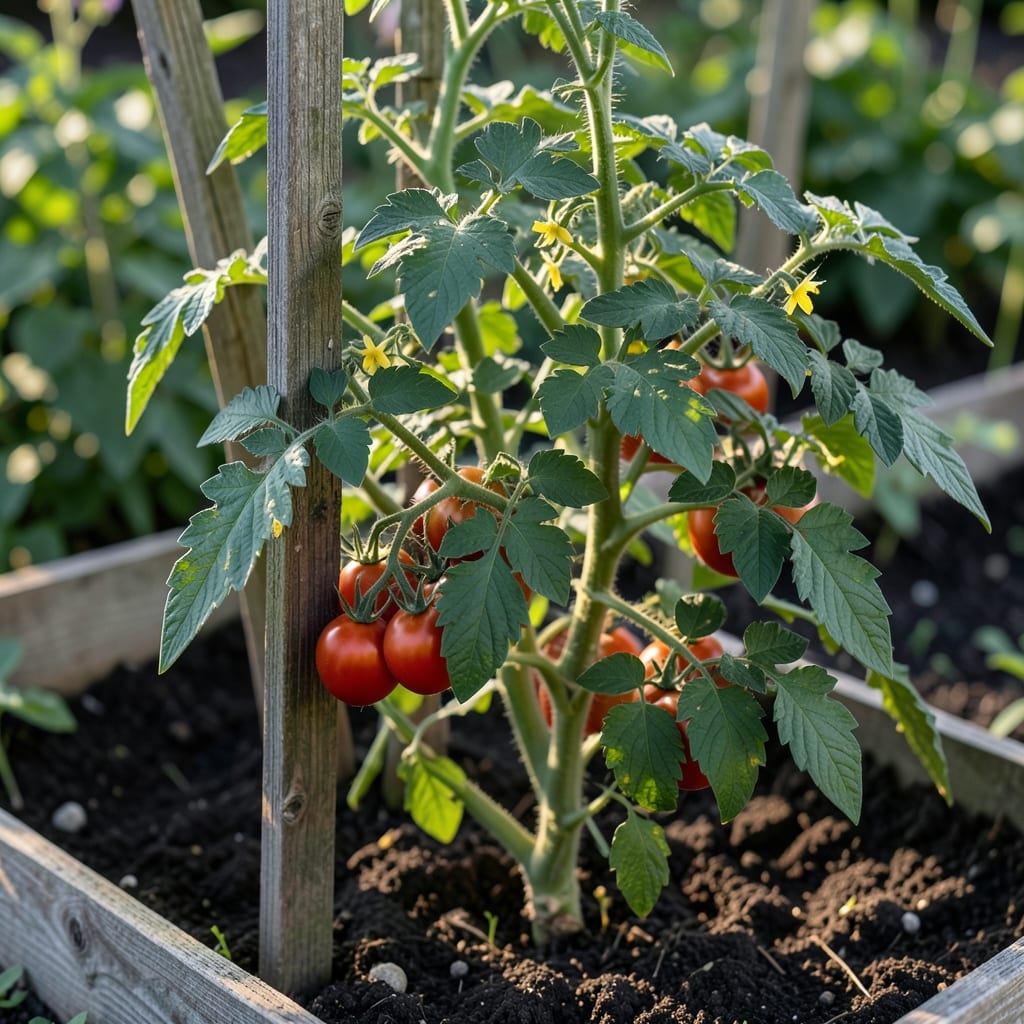
Heirloom tomatoes can be either determinate or indeterminate. Most are indeterminate, growing continuously until frost, but some compact heirloom varieties are determinate, producing fruit in one concentrated flush.
What many gardeners don’t realize is that indeterminate heirlooms keep producing new vines and fruit all season, which is why they often need sturdy trellises. Meanwhile, determinate types grow in a bushier form, making them perfect for containers or small spaces. I’ve found this distinction particularly important when planning my garden layout. 🔥
💡 In This Article
The growth habit is all about genetics and hormonal signaling. Indeterminate heirlooms produce auxin continuously, a hormone that prevents terminal buds from forming flowers, forcing the plant to keep growing upward. This creates vining plants that can reach 6-12 feet tall with proper support.
Determinates, however, have a genetic switch that stops vertical growth once the top bud sets fruit.
You’ll see the structural difference immediately. Indeterminate varieties like Brandywine develop long, sprawling stems that produce fruit clusters between leaf nodes all season. Determinates such as Heinz 1350 form compact bushes with most fruit ripening within 7-14 days of each other. This concentrated harvest is ideal for canning or sauce-making projects. 🔥
Fruiting patterns reveal the core distinction. Indeterminates yield a steady supply—expect 10-20 pounds per plant over 2-3 months in ideal conditions. Determinates deliver their entire crop in 1-2 massive flushes, then decline. The trade-off? Indeterminates need more space and weekly pruning, while determinates require minimal staking.
The root systems differ too. Indeterminate heirlooms develop extensive, deep roots to support their continuous growth and fruit production. Determinate plants have shallower, more contained root balls that match their compact above-ground structure. This makes determinates better suited for containers as small as 5-gallon pots. ✨
Environmental factors can influence both types. Indeterminates often outperform determinates in hot climates because their continuous growth allows them to recover from heat stress. However, determinates may produce more reliable yields in cooler regions with shorter growing seasons, as they concentrate their energy into one productive push before cold weather arrives.
Check the plant tag or seed packet first—it’s the easiest way. Look for terms like “bush” for determinate or “vining” for indeterminate. If unsure, observe the growth: determinates stay compact, while indeterminates keep climbing and need staking.
Indeterminate growth is natural for many heirloom varieties because they were bred for continuous production. This allows them to produce fruit throughout the season, adapting to varying conditions. It also preserves genetic diversity, a hallmark of heirlooms.
Yes! Their compact size makes them ideal for containers as small as 5 gallons. Varieties like Roma or Patio Princess thrive in pots. Just ensure good drainage and consistent watering for best results.
Over-pruning can reduce your harvest by removing fruit-bearing branches. Focus on removing “suckers” (side shoots) below the first flower cluster. Always use clean tools to prevent disease spread.