
Beautiful Plants For Your Interior
Beautiful Plants For Your Interior
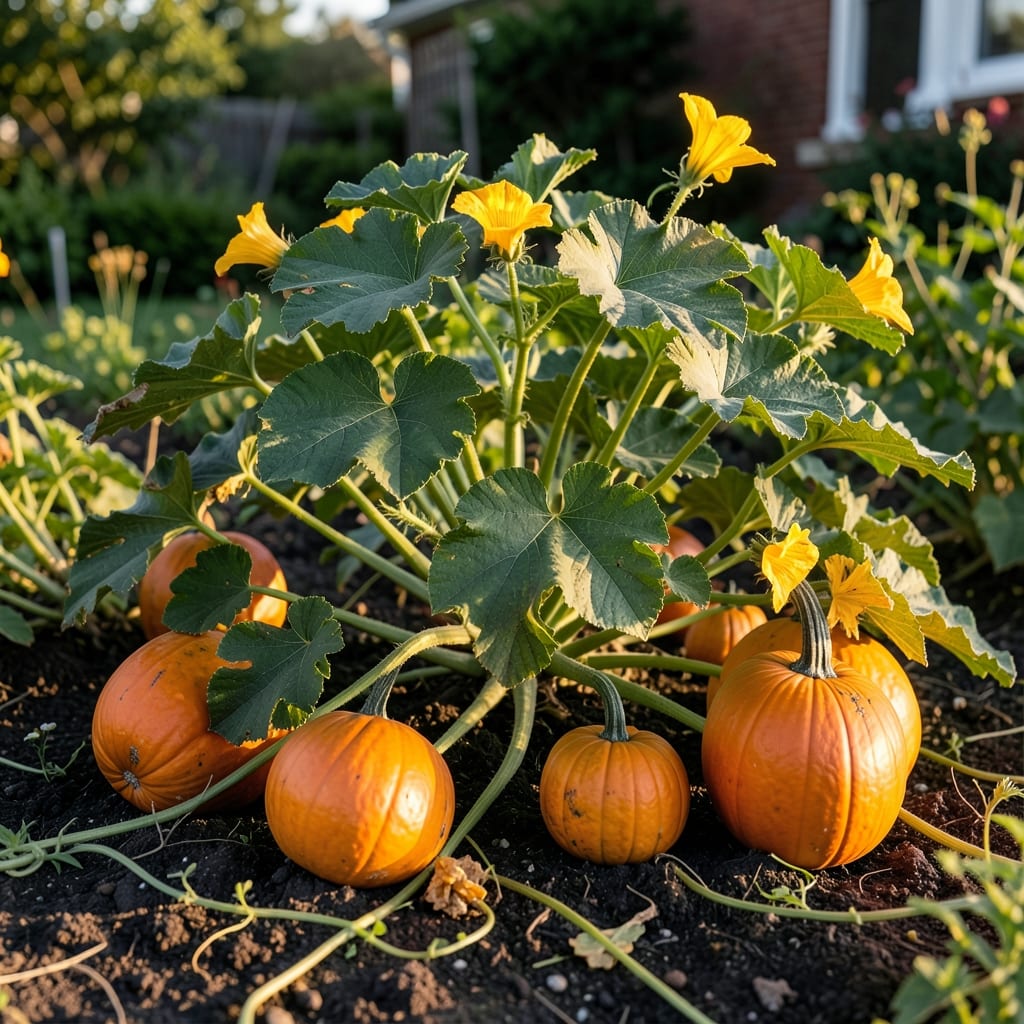
Yes, heirloom pumpkins are edible and often prized for their rich, sweet flavor. Varieties like Sugar Pie, Jarrahdale, and Cinderella are specifically bred for cooking and baking.
I’ve found their flavor outshines many commercial types because of traditional breeding methods that prioritize taste over shelf life. These varieties tend to have denser, creamier flesh that holds up beautifully in pies or soups. What’s more, their unique genetic diversity often means more complex, nuanced flavors that mass-produced options simply can’t match. 🔥
💡 In This Article
Heirloom pumpkins develop superior flavor through generations of selective breeding focused on taste rather than shelf life. Unlike commercial hybrids bred for uniformity and long storage, heirlooms retain their original genetic diversity. This results in flesh with 10-20% higher sugar content and a more complex carbohydrate profile that caramelizes beautifully when cooked. 🔥
Their growing conditions also play a crucial role. Heirlooms are often cultivated in smaller batches with organic practices, allowing the soil’s mineral content to enhance the pumpkin’s natural sweetness. The slower maturation process (typically 90-120 days vs. 80-90 days for hybrids) gives sugars more time to develop and concentrate in the flesh.
Seed saving practices preserve these flavor characteristics. Home gardeners and small farmers select seeds from the best-tasting specimens each year, creating a feedback loop that continuously improves flavor. This stands in stark contrast to commercial seed production, where priorities like disease resistance and transportability often override taste considerations. ✨
The flesh texture tells much of the story. Heirlooms typically have thicker, denser walls with smaller seed cavities, meaning you get 30-40% more edible flesh per pound than hybrid varieties. Their cellular structure contains more pectin, which breaks down during cooking to create that coveted velvety texture in purees and custards.
Nutritional density sets heirlooms apart too. Studies show they can contain 2-3 times more beta-carotene than commercial varieties, along with higher levels of vitamins C and E. This nutritional richness translates directly to deeper, more satisfying flavor profiles that make heirloom pumpkins a chef’s favorite for discerning palates. 💫
Heirloom pumpkins are open-pollinated varieties passed down through generations. They’re bred for flavor and texture, not shelf life or size. Their flesh is often denser, sweeter, and more nutrient-rich than commercial hybrids.
No, flavors vary widely by variety. Sugar Pie is ultra-sweet, Jarrahdale has a nutty taste, and Cinderella offers a deep, rich flavor. Each has unique characteristics that shine in different dishes.
Check for a hard rind that resists puncturing with your fingernail. The stem should be dry and woody, and the color should be deep and uniform. A hollow sound when tapped also indicates ripeness.
Yes, the skin is edible, especially in smaller varieties like Sugar Pie. It softens when cooked and adds fiber. However, larger pumpkins may have tougher skin that’s better peeled.