
Beautiful Plants For Your Interior
Beautiful Plants For Your Interior
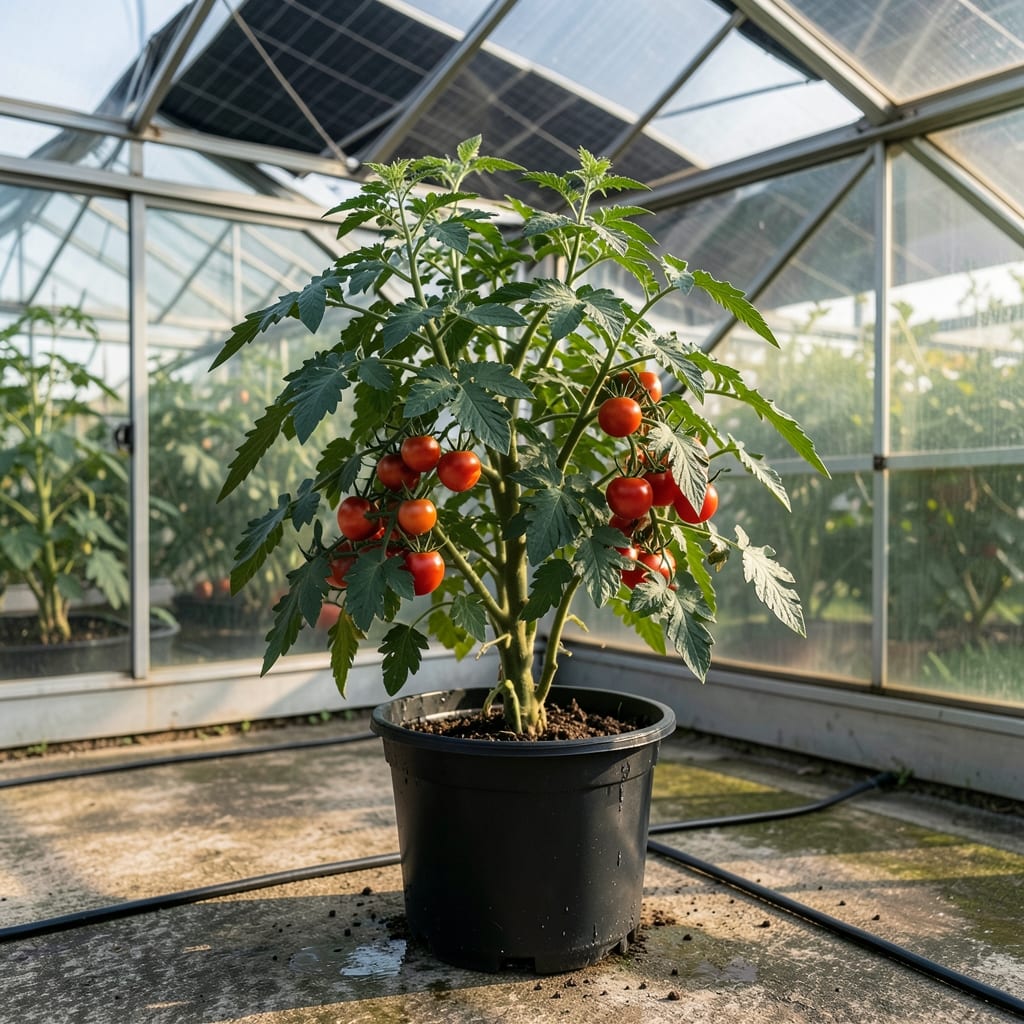
Greenhouses can be eco-friendly by reducing water use, protecting crops from pests, and enabling local food production, but energy use and plastic waste may offset some benefits.
I’ve seen firsthand how controlled environments allow growers to use up to 90% less water than traditional farming through drip irrigation and rainwater collection. 🌟 This efficiency is game-changing in drought-prone areas, and it also cuts down on pesticide use by keeping pests out naturally.
The trade-off comes with heating and cooling systems that can guzzle energy, plus the plastic sheeting often used for construction. 💫 However, modern designs with solar panels and compostable materials are steadily reducing these downsides.
💡 In This Article
Controlled environments let growers fine-tune temperature, humidity, and light to maximize plant growth. This precision means crops draw exactly the water they need through drip irrigation systems, which can use 10-20 times less water than open-field farming. The enclosed space also prevents runoff, ensuring every drop stays in the system. 🌟
Year-round production becomes possible even in cold climates. A geothermal-heated greenhouse in Iceland, for example, grows tomatoes and cucumbers using natural underground heat, eliminating fossil fuel dependence. This extends growing seasons by 3-6 months in temperate zones, reducing reliance on long-distance food transport. ✨
Physical barriers like insect netting and UV-blocking films keep pests out without chemicals. Studies show this can cut pesticide use by up to 80% compared to conventional farms. The controlled airflow also reduces disease spread, meaning healthier plants with less intervention. 💫
Extreme weather protection is another major benefit. Greenhouses shield crops from hail, heavy rains, or droughts that would devastate outdoor fields. In 2020, Dutch greenhouse growers maintained 95% of their tomato yield during record-breaking storms while outdoor farms lost 40-60% of their harvest. ⚡
Local food production flourishes in urban greenhouses. A 1-acre rooftop greenhouse in Brooklyn produces 1 million pounds of leafy greens annually, supplying nearby restaurants within 24 hours of harvest. This slashes transportation emissions while delivering fresher produce to consumers. 💛
Yes! They can use 10-20 times less water through drip irrigation and closed-loop systems. The enclosed space prevents evaporation and runoff, making every drop count.
Energy use for heating/cooling and plastic waste from construction materials are the main concerns. However, renewable energy and biodegradable films can reduce these impacts significantly.
Geothermal heating, solar panels, and wind turbines can power greenhouses entirely with renewables. Iceland’s geothermal greenhouses are a great example.
Urban greenhouses can supply fresh produce within 24 hours of harvest, cutting transportation emissions. A 1-acre rooftop greenhouse can yield 1 million pounds of greens annually.