
Beautiful Plants For Your Interior
Beautiful Plants For Your Interior
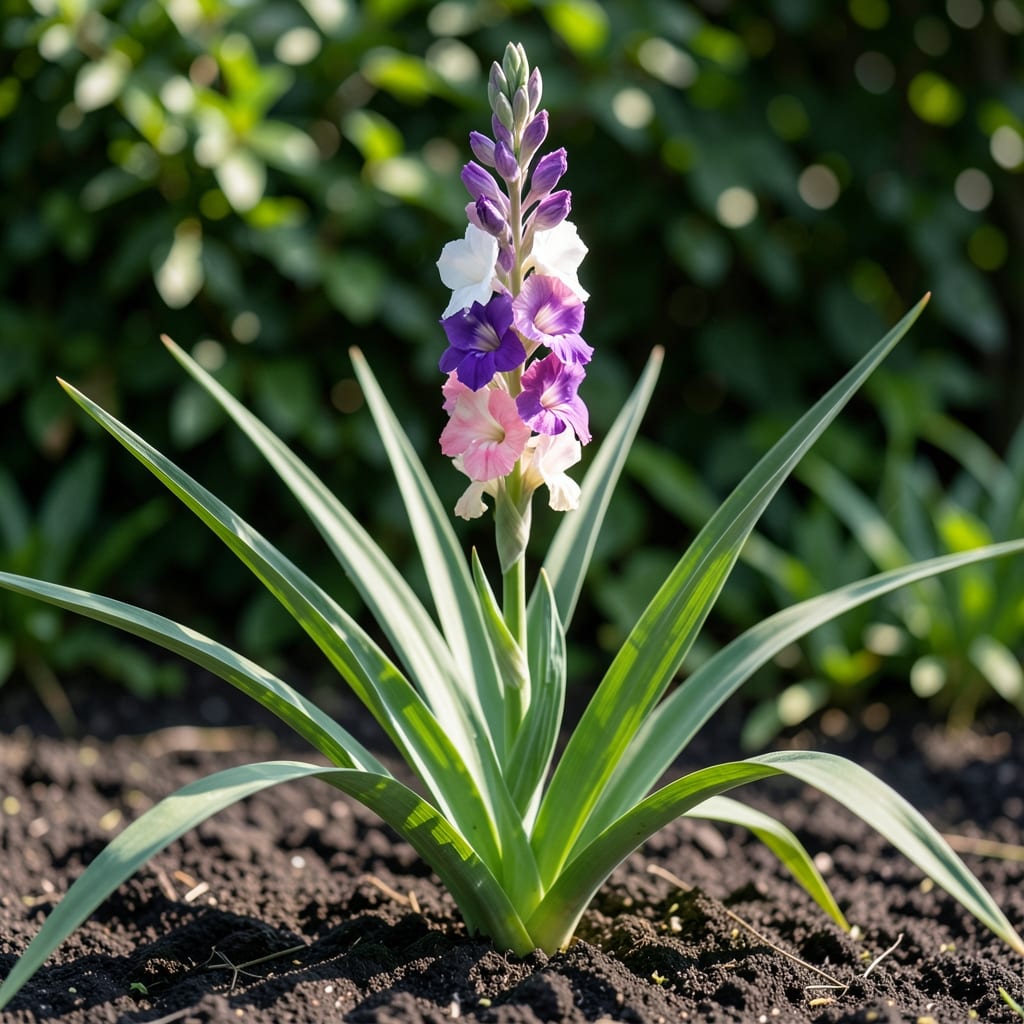
Gladiolus bulbs are tender perennials in warm climates but often grown as annuals in colder zones where they may not survive winter without protection.
I’ve learned through experience that these striking flowers thrive as perennials in USDA zones 7-10, where winter temperatures stay above freezing. In cooler areas, their corms need to be dug up before frost and stored in a dry, 40-50°F environment until spring. This extra effort rewards you with vibrant blooms year after year. ✨
What makes them unique is their ability to adapt—with proper care, they’ll return stronger each season, producing more flowers. 💫
💡 In This Article
The key factor is their tender perennial classification. Gladiolus corms originate from South Africa and Mediterranean regions, where they naturally survive mild winters. Their dormancy cycle requires 6-8 weeks of cooler temperatures to reset, but they can’t tolerate freezing soil. This is why they thrive as perennials in USDA zones 7-10. 🔥
In these zones, winter temperatures rarely drop below 20°F, allowing the corms to remain safely underground. The corms store energy during dormancy, producing new growth when soil warms to about 55°F in spring. This natural rhythm explains their reliable return in warm climates. ✨
North of zone 7, the story changes dramatically. Even a light frost at 32°F can damage or kill the corms. The water inside their cells freezes, expanding and rupturing cell walls. This is why gardeners in zones 3-6 must treat them as annuals or dig them up before winter. 💫
The corms themselves are storage organs packed with starch and nutrients. When left in cold soil, they either rot from excessive moisture or freeze from the cold. Their thin, papery tunic offers little protection against these elements, unlike hardy bulbs such as daffodils that have thicker, waterproof coatings.
What’s fascinating is how quickly they adapt when given proper care. In zone 6, for example, with consistent mulching and winter protection, some varieties can survive as perennials. However, this requires precise conditions: well-drained soil, a thick mulch layer, and a location sheltered from wind. ⚡
This temperature sensitivity also explains why gladiolus perform so well in containers. Potted corms can be easily moved indoors when temperatures drop, giving gardeners in any zone the chance to enjoy them year after year with minimal effort.
In USDA zones 7-10, they’ll return reliably each spring. In colder zones, you’ll need to dig up and store the corms over winter to replant next year.
Dig them up 6-8 weeks after flowering or right after the first light frost. Look for yellowing foliage as a sign they’re ready for dormancy.
Only in warm climates with winters above 20°F. In colder areas, leaving them in frozen soil will likely kill the corms.
Cure them for 2-3 weeks in a warm, dry place, then store in mesh bags at 40-50°F. Check monthly for rot or shrinking.