
Beautiful Plants For Your Interior
Beautiful Plants For Your Interior
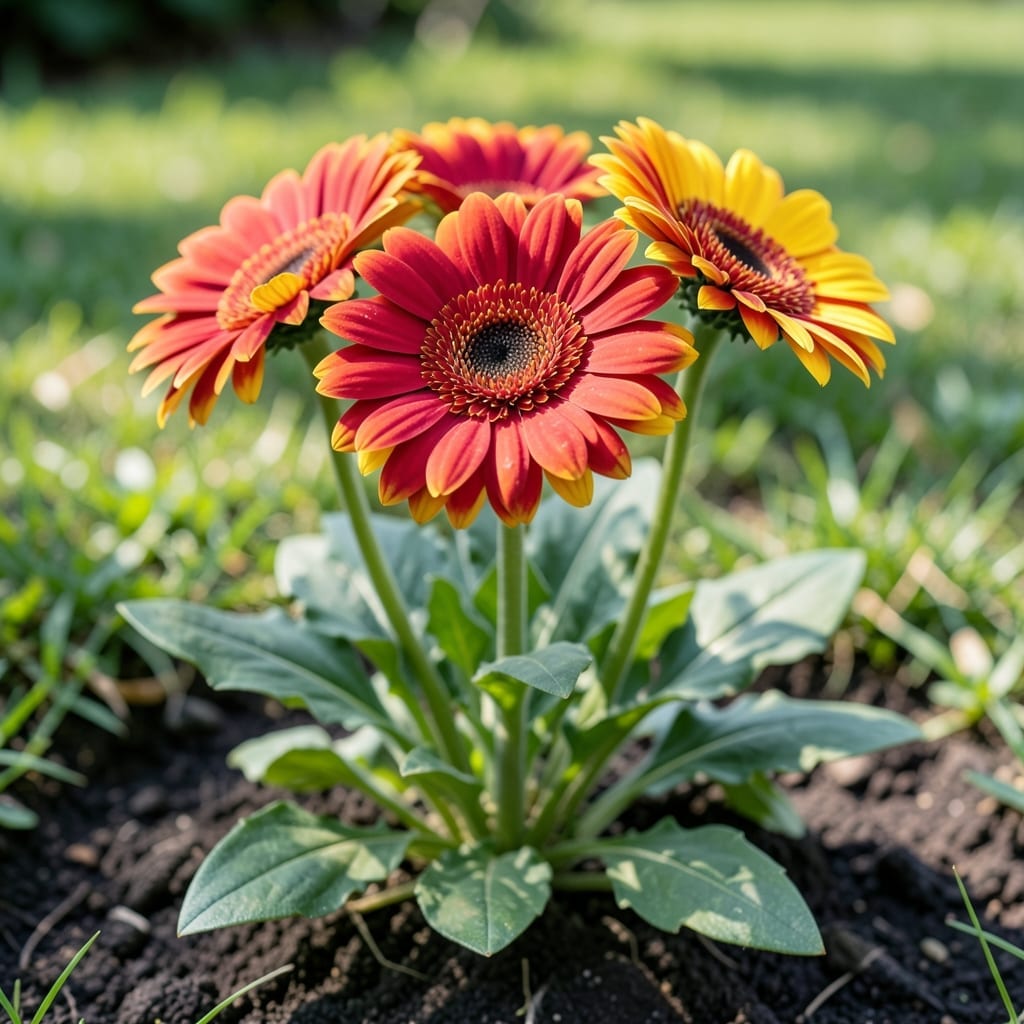
Gerber daisies are tender perennials in warm climates (USDA zones 8-11) but grow as annuals in colder regions where frost kills them each winter.
I’ve found these vibrant blooms thrive year after year in frost-free areas like zone 9, but their roots can’t survive freezing temps. 🌟 This means gardeners in zone 7 or below often replant them annually. Their sensitivity to cold explains why they’re so popular in containers—you can move them indoors when winter approaches.
💡 In This Article
The survival mechanism of gerber daisies hinges on their inability to tolerate frost. Their root systems, which store energy for regrowth, die when soil temperatures drop below 28°F for extended periods. This is why they persist as perennials in USDA zones 8-11, where winters remain mild enough to keep roots viable underground. 🌟
In these warmer zones, the plants enter a semi-dormant state during cooler months, conserving energy in their crown and roots. Come spring, they sprout fresh foliage from the same root system, often producing larger blooms in their second year.
The key is consistent soil warmth—even a light freeze can damage the crown, which is the plant’s growth center just above the roots.
Contrast this with colder regions like zone 7 or below, where winter temperatures regularly plunge below freezing. Here, the plants can’t survive outdoors, so gardeners treat them as annuals. Even with mulch protection, the crown and roots succumb to the cold, requiring new plants each spring.
This adaptability explains their popularity in both landscapes and containers.
Their native habitat offers clues to this behavior. Gerber daisies originate from South Africa, where they evolved in a climate with warm, dry winters. This heritage makes them ill-suited to cold, wet winters that many perennial plants in temperate regions can endure.
Their shallow root system, while efficient in well-drained soils, offers little protection against freezing temperatures. ⚡
Gardeners in borderline zones (like zone 8) often experiment with overwintering techniques. A thick layer of mulch (4-6 inches) can sometimes insulate the crown enough to survive mild winters. However, consistent freezes or poor drainage will still typically kill the plants, demonstrating their true nature as tender perennials rather than fully hardy ones.
Only in USDA zones 8-11. In colder areas, frost will kill them, so they’re treated as annuals.
Move them indoors near a sunny window with 6 hours of light daily. Water lightly to keep soil from drying out completely.
Their shallow root systems can’t survive soil temperatures below 28°F. Even light freezes damage their crown, the growth center above roots.
Yes! Trim foliage to 6 inches, store roots in a cool, dark place, and check monthly for rot. Replant in spring after frost danger passes.