
Beautiful Plants For Your Interior
Beautiful Plants For Your Interior
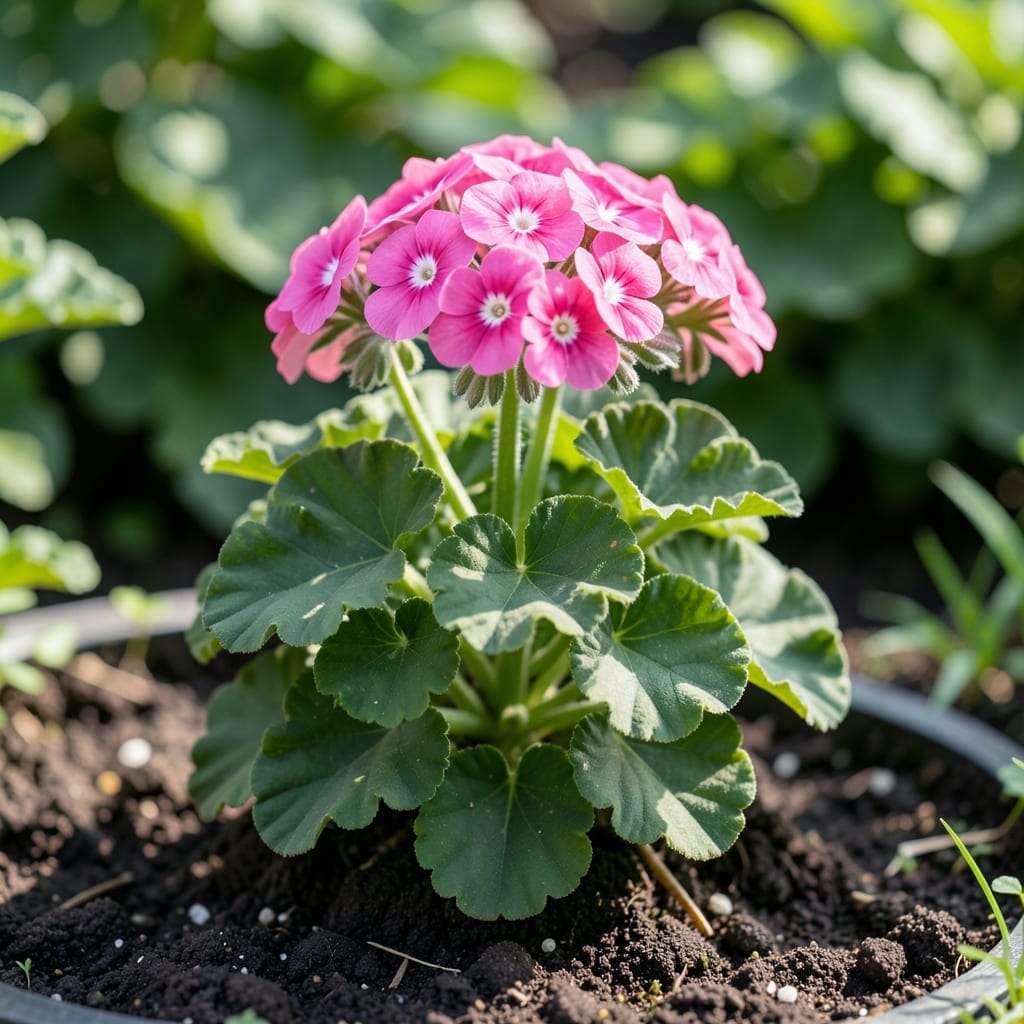
Geraniums are not frost hardy and will typically die back or perish when exposed to freezing temperatures. They thrive in warm climates and must be protected or moved indoors before the first frost.
I’ve learned that these plants originate from warm regions, so their cells aren’t built to handle ice formation. Even a light frost can cause irreversible damage to their tender stems and leaves. For best results, I bring mine inside when nighttime temps dip below 45°F or use heavy mulch as insulation. ✨
💡 In This Article
Geraniums trace their roots to South Africa’s warm climate, where freezing temperatures are nonexistent. This tropical origin means their cell structures lack the adaptations to survive ice formation. When exposed to 32°F or below, water inside their cells freezes, expands, and ruptures the cell walls—a process called frost damage that’s often fatal. 🔥
Even temperatures just above freezing can stress these plants. At 28-32°F, geranium leaves often turn black and mushy as cells collapse. Prolonged exposure to 40°F or below slows their metabolism dramatically, stunting growth. What many don’t realize is that damage begins internally before visible wilting occurs, making prevention critical.
Different geranium varieties show slight variations in cold tolerance. Zonal geraniums, the most common type, typically can’t survive below 25°F, while ivy geraniums may endure brief dips to 20°F. However, these thresholds assume healthy, established plants—young or stressed geraniums often succumb at higher temperatures. ✨
The science behind this vulnerability lies in their lack of antifreeze proteins, which some cold-hardy plants produce to prevent ice crystal formation. Without this natural protection, geranium cells can’t prevent the destructive freezing process. This is why even a light frost often proves deadly, especially for container-grown specimens.
Gardeners in USDA zones 9-11 can often grow geraniums as perennials, as these regions rarely experience freezing temperatures. In cooler zones, these plants are treated as annuals unless protective measures are taken. The key is understanding that geraniums thrive in temperatures between 65-75°F, with their growth slowing significantly outside this range. 💫
Move them indoors when nightly temperatures drop below 45°F. This gives plants time to acclimate before frost hits. Even brief exposure to 32°F can cause serious damage.
Only in USDA zones 9-11. Elsewhere, wrap pots in burlap and add 3-4 inches of mulch. For extra protection, place pots against a south-facing wall.
Look for blackened, mushy leaves and stems. Healthy tissue remains firm and green. Prune damaged parts immediately to prevent rot from spreading.
Zonal types die at 25°F, while ivy varieties may survive brief dips to 20°F. Scented geraniums are the most cold-sensitive. Always check your specific variety.