
Beautiful Plants For Your Interior
Beautiful Plants For Your Interior
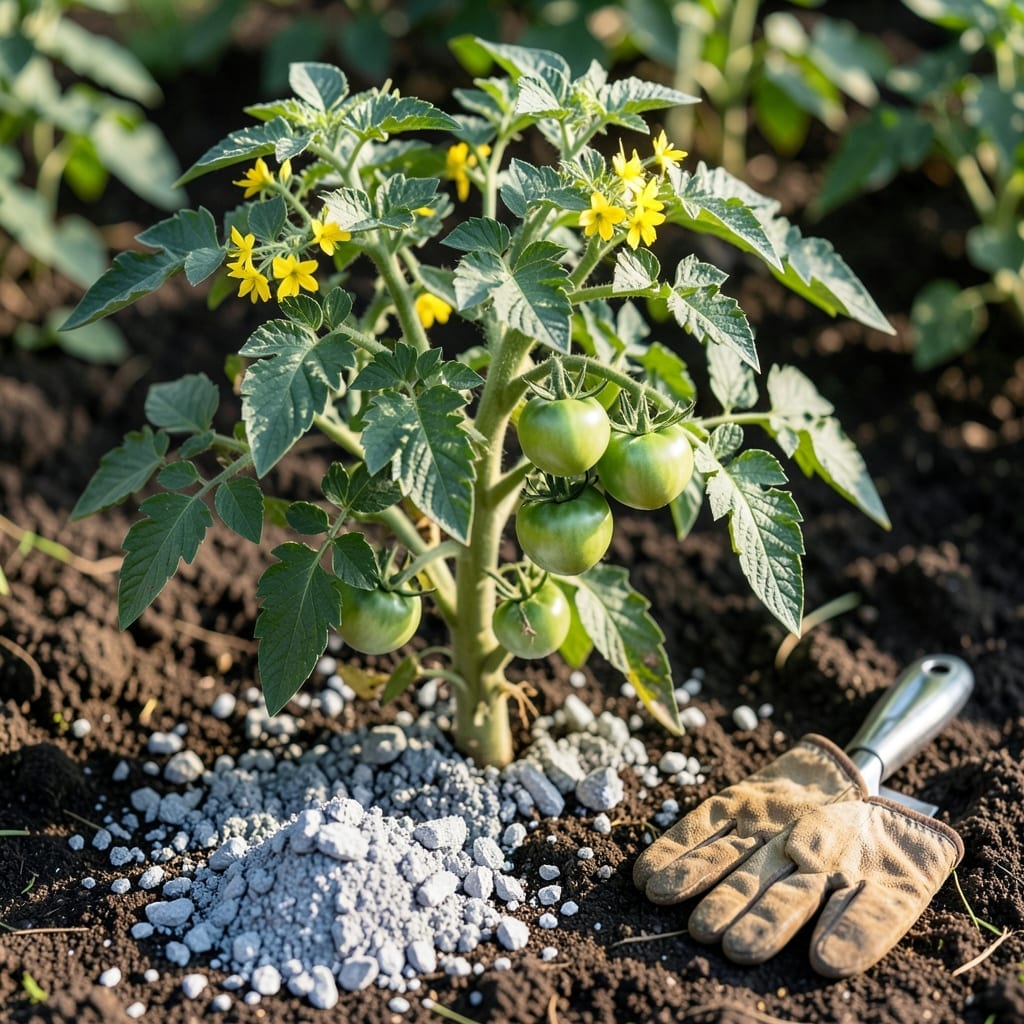
Fireplace ashes can benefit gardens by adding potassium and raising soil pH, but use them sparingly as they lack nitrogen and may harm acid-loving plants like blueberries.
I’ve seen wood ash work wonders in vegetable patches by boosting potassium levels, which helps plants develop stronger roots and resist disease. However, its alkaline nature means you should test your soil first—too much can lock out other essential nutrients. 🔥
For best results, sprinkle a thin layer and mix it into the top 6 inches of soil, avoiding direct contact with plant stems.
💡 In This Article
Wood ash is packed with potassium carbonate, which breaks down into soluble potassium that plants absorb through their roots. This nutrient is vital for fruit development, disease resistance, and overall plant vigor.
A single cord of hardwood can produce 20-30 pounds of ash containing up to 10% potassium by weight, making it a significant natural fertilizer.
The alkaline nature of ash (pH 10-12) neutralizes acidic soils, which is beneficial for plants like tomatoes and squash that thrive in pH 6.0-7.0. However, it can take 2-3 months for the pH effect to fully manifest, so test your soil before and after application. 🔥
Ash also contains trace amounts of calcium, magnesium, and phosphorus, though in smaller quantities than potassium. These secondary nutrients support cell wall development and photosynthesis. What most gardeners overlook is that ash lacks nitrogen entirely, which is why it should never replace complete fertilizers.
Certain plants respond exceptionally well to ash amendments. Leafy greens like spinach and kale benefit from the calcium, while root crops such as carrots and beets appreciate the potassium boost. Fruit-bearing plants like strawberries and raspberries often show improved yields when ash is applied in early spring.
Be aware that the nutrient composition varies by wood type. Hardwoods (oak, maple) produce ash with higher potassium levels, while softwoods (pine, fir) contain more calcium but may also include harmful resins. Always use ash from untreated wood to avoid introducing toxins to your garden soil.
Apply wood ash no more than once a year for most gardens. A light layer of 1/4 inch worked into the top 2-3 inches of soil is sufficient. Over-application can raise soil pH too much, harming plant health.
Avoid ash around acid-loving plants like blueberries, azaleas, and rhododendrons. These thrive in pH 4.5-5.5, while ash raises pH significantly. Stick to vegetables and flowers that prefer neutral to alkaline soil.
No, charcoal ash often contains additives and chemicals that can harm plants and soil. Only use ash from untreated, natural wood. Always check that no lighter fluids or treated materials were burned.
Keep it in a dry, metal container with a tight lid to prevent moisture absorption. Stored properly, wood ash can remain effective for several months. Avoid plastic, as it can degrade from the ash’s alkalinity.