
Beautiful Plants For Your Interior
Beautiful Plants For Your Interior
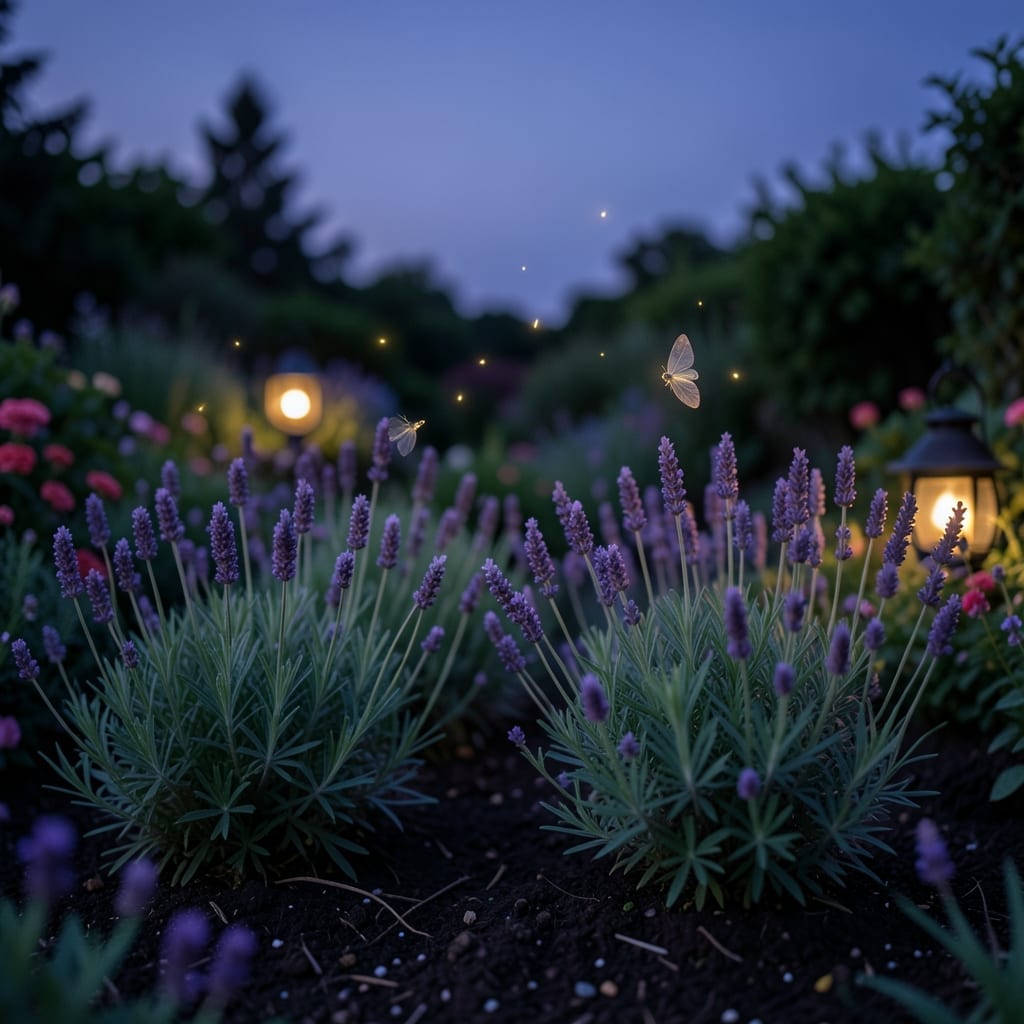
Fireflies are beneficial as natural pest controllers, preying on slugs and snails, and serve as indicators of a healthy ecosystem with their presence reflecting clean environments.
I’ve noticed these glowing insects play a key role in balancing garden ecosystems by targeting pests that damage plants. Their presence signals low pollution levels, which means your soil and water are likely thriving. 🔥
Creating a habitat for them boosts biodiversity while reducing the need for chemical pesticides in my experience.
💡 In This Article
Fireflies contribute to biodiversity through their unique life cycle. Their larvae, often called glowworms, are voracious predators of soft-bodied pests like slugs, snails, and cutworms. A single larva can consume dozens of pests per night, providing natural control without chemicals. This predatory behavior directly reduces plant damage in gardens. 🔥
Adult fireflies play a different role by pollinating plants as they move between flowers feeding on nectar. Unlike bees, they’re most active at dusk, targeting night-blooming species like evening primrose. Their pollination rate is lower than bees but still significant for specific plants that rely on nocturnal visitors.
Their famous bioluminescence serves multiple purposes beyond beauty. It’s a communication tool for mating, with species-specific flash patterns that prevent cross-breeding. This light production also deters predators—the chemical reaction creates a bitter taste that many animals learn to avoid. This defense mechanism protects them while they perform their ecological roles. ✨
Perhaps most importantly, fireflies act as bioindicators. Their presence signals clean water and soil, as their larvae require moist, unpolluted environments to survive. Studies show firefly populations decline 30-50% in areas with pesticide use or light pollution, making them sensitive markers of environmental health. Their disappearance often precedes broader ecological imbalances.
In garden food chains, they occupy a crucial middle position. While their larvae eat pests, adult fireflies become food for birds, bats, and spiders. This creates a balanced cycle where energy moves efficiently through the ecosystem. Their dual role as predator and prey makes them particularly valuable in maintaining garden equilibrium. 💫
Yes! Their larvae eat slugs, snails, and cutworms—dozens per night. This natural pest control reduces plant damage without chemicals.
Pesticides, light pollution, and habitat loss cause declines. Their absence often signals environmental problems, as they need clean water and soil to survive.
No, they’re completely harmless. Adults don’t bite, and larvae only target pests. Their light even deters some predators due to bitter taste.
Avoid pesticides, keep soil moist, and plant native grasses. A 2-3 inch mulch layer and reduced night lighting also help.