
Beautiful Plants For Your Interior
Beautiful Plants For Your Interior
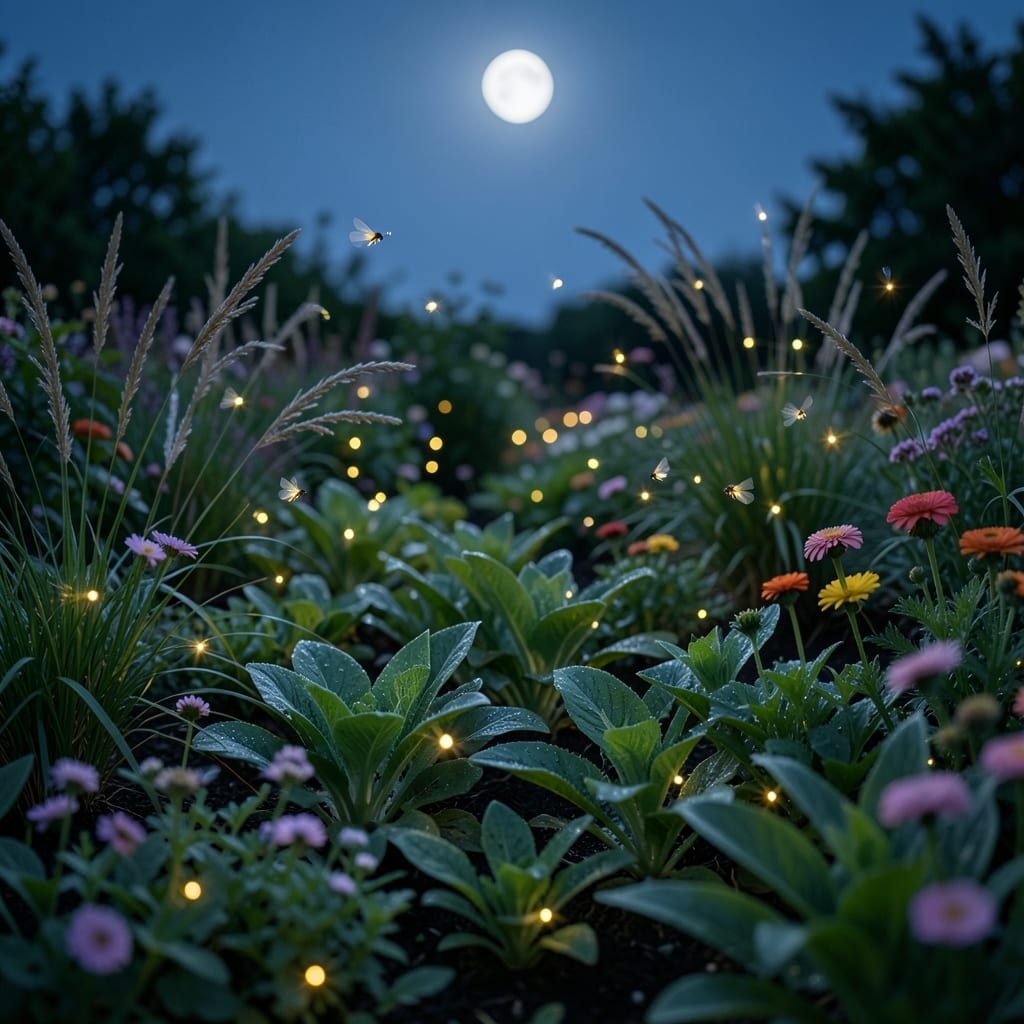
Fireflies benefit the environment by controlling pest populations, serving as bioindicators of ecosystem health, and contributing to nutrient cycling through their life stages.
These glowing insects act as natural pest controllers, preying on slugs and snails that can harm gardens and crops. 🔥 As bioindicators, their presence signals a balanced ecosystem, while their absence often warns of pollution or habitat disruption. I’ve noticed that fireflies also play a key role in nutrient cycling, as their larvae break down organic matter, enriching the soil for plants.
💡 In This Article
Firefly larvae are voracious predators, feeding on up to 50 slugs and snails per square meter in some ecosystems. This natural pest control reduces the need for chemical pesticides, protecting both crops and native plants from damage. 🔥
Their hunting strategy involves injecting digestive enzymes into prey, liquefying internal tissues before consumption. This process can eliminate 90% of soft-bodied pests in a given area, making them more effective than many commercial pest solutions.
Adult fireflies serve as a crucial food source for birds, bats, and spiders. A single colony can support dozens of predator species, creating a balanced food web. Their high protein content makes them an energy-rich food source during breeding seasons.
Their bioluminescent signals also play a role in pollination. Some firefly species visit flowers to feed on nectar, inadvertently transferring pollen between plants as they move through their habitat at dusk.
In aquatic ecosystems, firefly larvae contribute to water quality by consuming decaying organic matter. This prevents algal blooms that could deplete oxygen levels, supporting fish populations and other aquatic life.
Research shows firefly populations can process 2-3 times more organic waste than earthworms in similar environments, making them unexpectedly vital to nutrient cycling in both terrestrial and aquatic systems. ✨
Yes! Firefly larvae are voracious predators, feeding on up to 50 slugs and snails per square meter. This natural pest control reduces the need for chemical interventions.
Their presence signals a healthy ecosystem, while their absence often warns of pollution or habitat disruption. A thriving firefly population indicates clean water and balanced biodiversity.
Their larvae break down organic matter, enriching soil and preventing algal blooms in aquatic ecosystems. Research shows they process 2-3 times more organic waste than earthworms.
No, fireflies primarily target soft-bodied pests like slugs and snails. They don’t compete with or harm pollinators like bees or butterflies.
Ecosystems may experience increased pest damage, reduced biodiversity, and imbalanced food chains. Their decline often reflects broader environmental issues.