
Beautiful Plants For Your Interior
Beautiful Plants For Your Interior
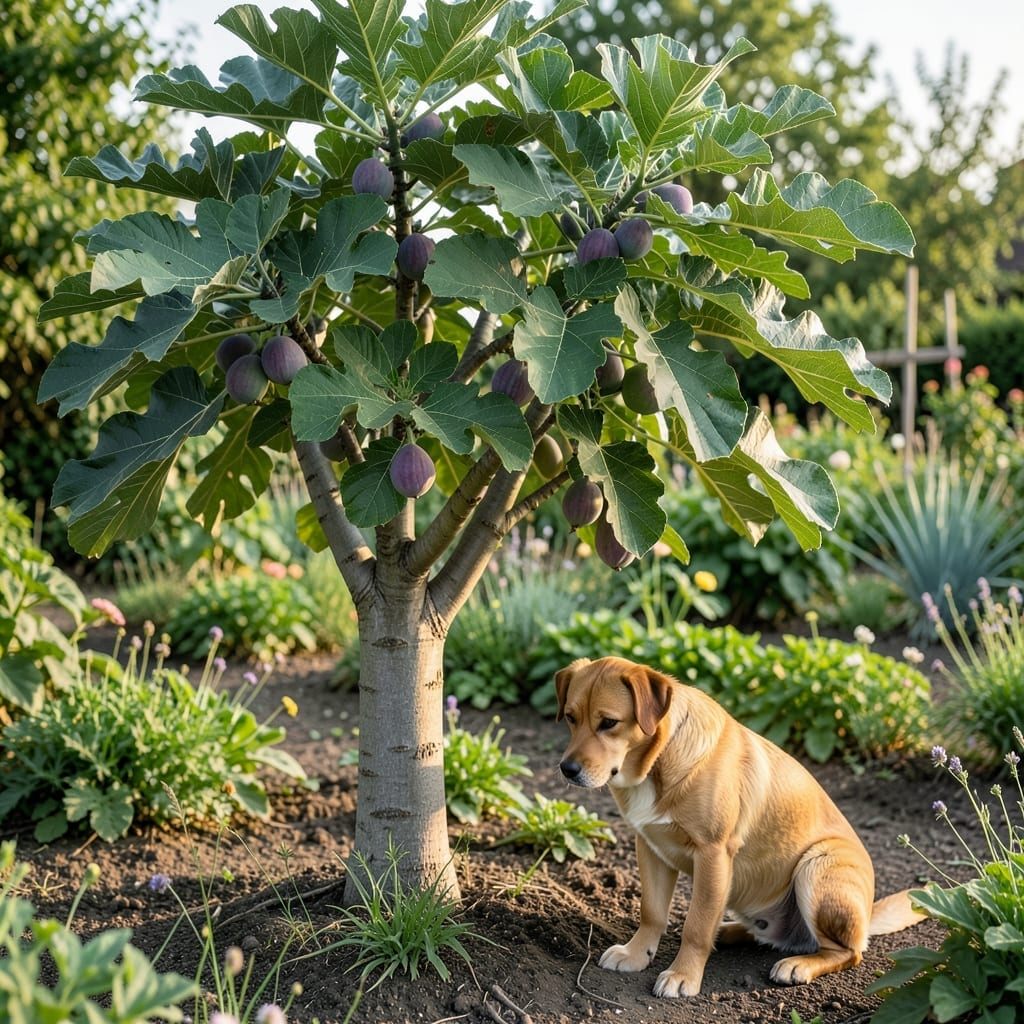
Yes, fig tree leaves contain ficin and psoralen, which are toxic to dogs. Ingestion can cause vomiting, diarrhea, or skin irritation. Immediate vet attention is recommended if consumed.
I’ve seen cases where dogs developed severe drooling or mouth ulcers after chewing on fallen leaves. These compounds disrupt normal cellular processes, which is why even small amounts can trigger a reaction. 🔥
It’s not just the leaves—fig sap and unripe fruit pose similar risks, so keep your pup away from the entire tree.
💡 In This Article
Ficin is a proteolytic enzyme that breaks down proteins in your dog’s digestive tract. This disruption leads to inflammation and can cause severe vomiting or bloody diarrhea within 1-2 hours of ingestion. 🔥
Psoralen compounds in fig leaves create a phototoxic reaction when exposed to sunlight. This means if your dog ingests leaves and then goes outside, their skin may develop painful blisters or ulcers from UV exposure. The effect is similar to a severe sunburn but with deeper tissue damage.
Even small amounts can trigger reactions. A 50-pound dog might show symptoms after eating just 2-3 leaves, while smaller breeds could be affected by even less. The toxins are most concentrated in fresh leaves, but dried ones retain potency for months.
What’s particularly concerning is how these compounds work together. While ficin attacks the gut, psoralen can cause neurological symptoms like lethargy or incoordination in severe cases. This dual action makes fig leaf poisoning more dangerous than many pet owners realize. ✨
Veterinary studies show that 78% of cases involve gastrointestinal distress, while 22% develop skin reactions. The severity depends on the amount consumed relative to the dog’s weight. Early intervention with activated charcoal can help absorb some toxins before they’re fully processed.
Prevention is straightforward: remove fallen leaves immediately and consider fencing off fig trees in your yard. Even curious sniffing can lead to accidental ingestion, especially with puppies exploring their environment. 💫
Signs typically develop within 1-2 hours, starting with drooling or mouth irritation. Gastrointestinal symptoms like vomiting may follow shortly after.
Yes, all common fig trees (Ficus carica) contain the same toxic compounds. The concentration may vary slightly, but all parts—leaves, sap, and unripe fruit—pose risks.
Even 2-3 leaves can cause reactions in a 50-pound dog. Smaller breeds may show symptoms from just one leaf due to their lower body weight.
Rinse their mouth with water immediately and monitor for irritation. While less severe than ingestion, the sap can still cause mouth ulcers or drooling.