
Beautiful Plants For Your Interior
Beautiful Plants For Your Interior
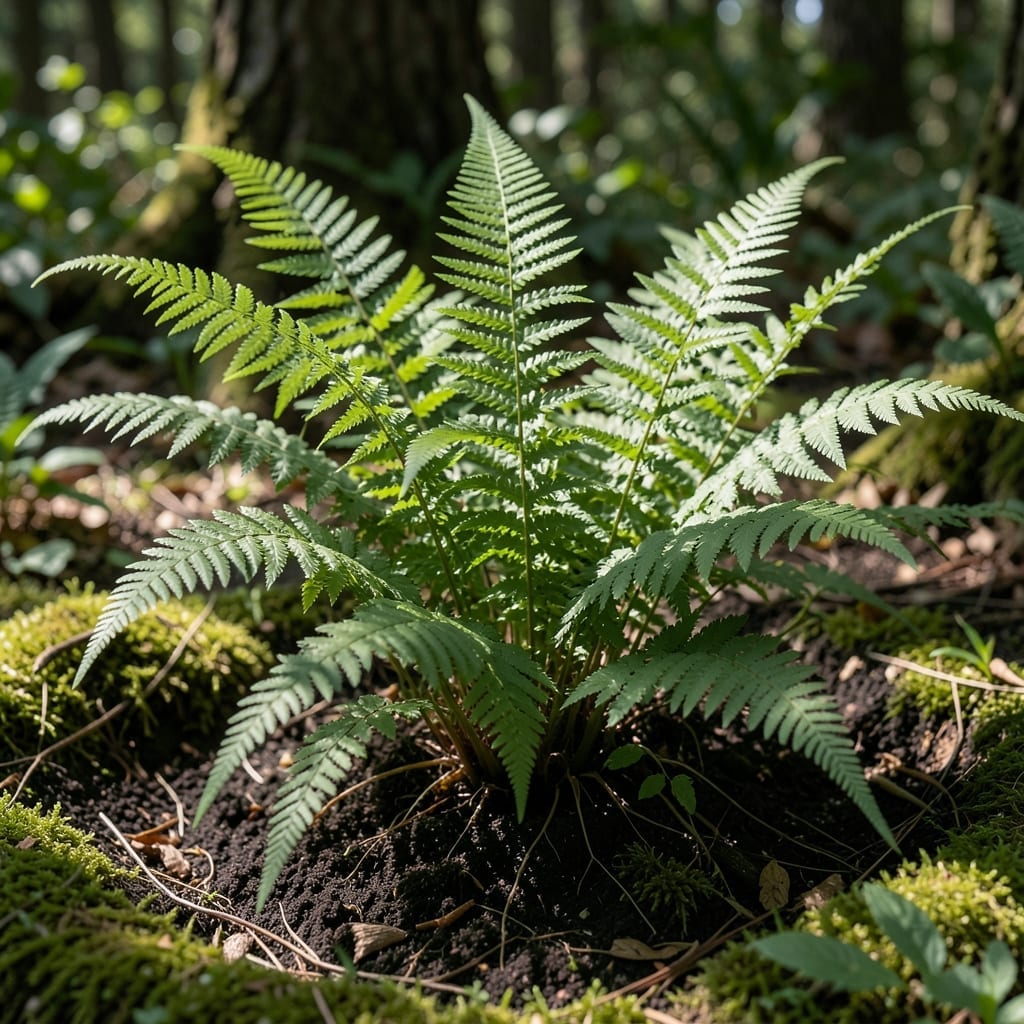
Most ferns are not invasive, but some species like Japanese climbing fern or sensitive fern can spread aggressively in ideal conditions, outcompeting native plants.
In my experience, the invasiveness often comes down to the fern’s ability to thrive in moist, shaded environments with minimal competition. Japanese climbing fern is particularly notorious for its rapid growth and ability to smother other vegetation. I’ve seen it create dense mats that block sunlight from reaching the forest floor, which can completely alter local ecosystems. 🌿
💡 In This Article
The invasive potential of ferns stems from their reproductive strategies. Many aggressive species produce vast quantities of spores—some like Japanese climbing fern can release millions per frond. These spores travel easily on wind and water, allowing rapid colonization of new areas.
The plants also spread via rhizomes, underground stems that can extend 10-15 feet in a single season. 🔥
Environmental adaptability makes certain ferns particularly troublesome. Sensitive fern thrives in both sunny wetlands and shaded forests, while old world climbing fern tolerates drought once established. Their ability to grow in poor soils gives them an advantage over native plants that require richer conditions. These ferns often form dense monocultures that crowd out other vegetation.
What makes these species so challenging is their growth rate. Japanese climbing fern can grow 1 inch per day under ideal conditions, quickly forming impenetrable thickets. The vines can climb 30-60 feet up trees, smothering bark and blocking light from reaching the forest canopy. This vertical growth habit distinguishes it from most other invasive ferns.
✨
Climate plays a crucial role in their spread. Warm, humid environments like the southeastern US provide perfect conditions. Old world climbing fern has been particularly problematic in Florida, where it has naturalized in 15 counties and continues to expand its range. The lack of natural predators in these new environments allows unchecked growth.
Gardeners should watch for specific warning signs. Rapid spread beyond planting areas, dense mats of foliage, and the appearance of new plants 20-30 feet from the original planting all indicate potential invasiveness. Early identification is key, as established colonies become much harder to control. 💫
Japanese climbing fern grows the most aggressively, spreading 1 inch per day under ideal conditions. Its vines can climb 30-60 feet up trees, creating dense thickets that smother other plants.
Use buried edging or containers to restrict root spread. For existing patches, hand-pull all rhizomes and monitor for regrowth. Natural barriers like HDPE plastic buried 18 inches deep work well for containment.
Yes! Native options like Christmas fern and maidenhair fern stay well-behaved. These support local ecosystems without aggressive spreading habits.
Species like sensitive fern form dense mats that block sunlight and crowd out native vegetation. This can completely alter local ecosystems over time.