
Beautiful Plants For Your Interior
Beautiful Plants For Your Interior
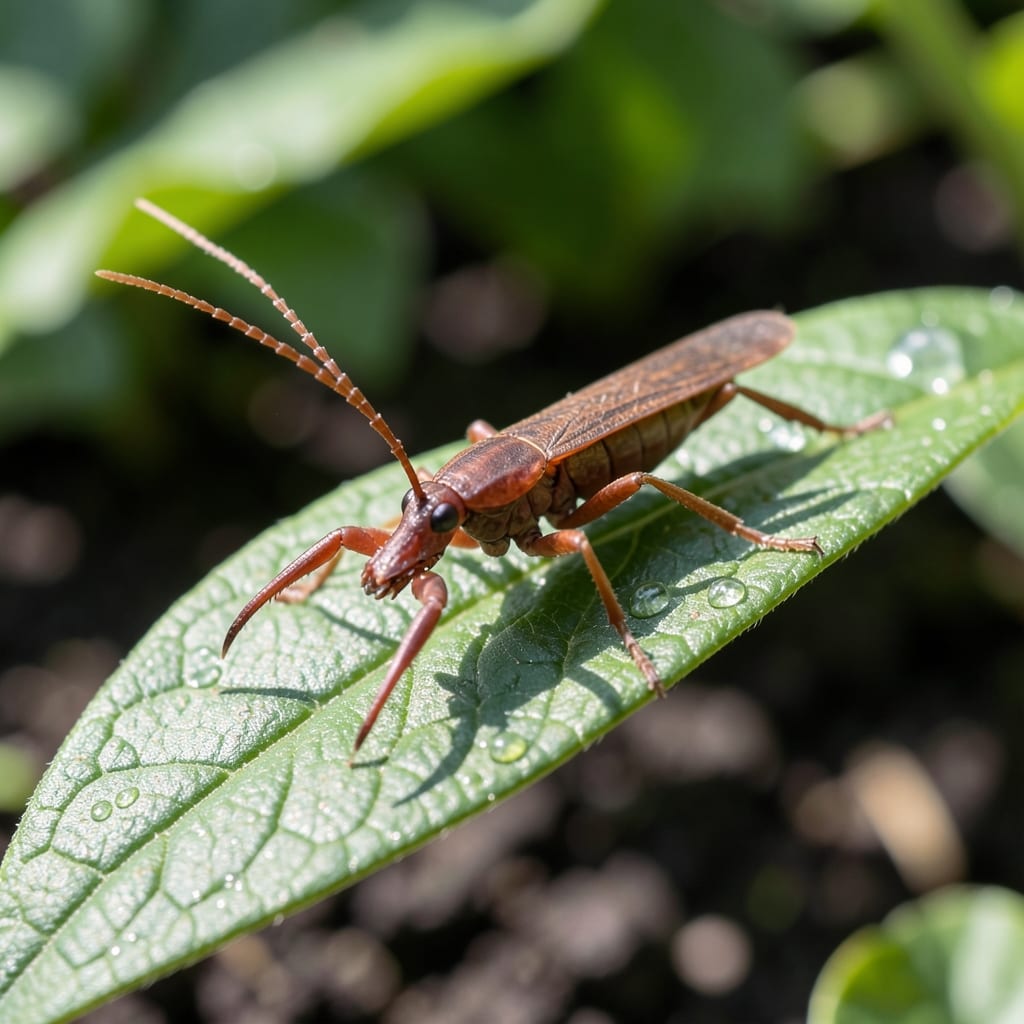
Earwigs can be both beneficial and harmful. They eat pests like aphids but may also damage young plants and flowers by chewing leaves and petals.
I’ve seen these insects act as natural pest control by targeting soft-bodied garden nuisances, which can reduce the need for chemical treatments. However, their nocturnal feeding habits often lead them to munch on tender seedlings and blossoms, especially in damp conditions. Balancing their presence means monitoring their numbers and understanding their behavior. 🔥
💡 In This Article
Earwigs play a complex role in gardens as both predators and pests. Their diet primarily consists of decomposing plant matter and small insects, including aphids, mites, and even other earwigs. This cannibalistic behavior helps regulate their own population naturally. 🔥
Studies show a single earwig can consume up to 50 aphids in one night, making them valuable allies against garden pests. They’re particularly effective in organic gardens where chemical pesticides aren’t used. Their nocturnal habits mean they do most of this beneficial work under cover of darkness.
However, when food sources are scarce, earwigs turn to live plants. They’re especially drawn to soft, young growth like seedling leaves, flower petals, and certain fruits. Dahlias, zinnias, and strawberries are particularly vulnerable to their chewing. The damage appears as irregular holes and ragged edges on leaves and blossoms.
Their preference for moist environments means they thrive in gardens with dense mulch, heavy watering, or abundant ground cover. This humidity requirement also explains why they’re often found under rocks, boards, or in compost piles during the day. Their population can explode in these ideal conditions.
What many gardeners don’t realize is that earwigs are opportunistic feeders. They won’t typically damage healthy, established plants but will target stressed or weakened vegetation. This makes proper plant care an indirect method of earwig control. ✨
Yes, they actively hunt soft-bodied insects like aphids and mites. A single earwig can consume up to 50 aphids in one night, providing natural pest control for your garden.
They target tender growth like seedlings, flower petals, and soft fruits. Dahlias, zinnias, and strawberries are especially vulnerable to their chewing. Look for irregular holes and ragged edges on leaves.
Remove hiding spots like leaf piles and dense mulch. Try traps with rolled newspaper or shallow dishes filled with 1 inch of beer. Encourage natural predators like birds and toads.
Earwigs are nocturnal to avoid daytime predators and dry conditions. They seek moisture and shelter during the day, emerging at night to feed on insects and decomposing matter.