
Beautiful Plants For Your Interior
Beautiful Plants For Your Interior
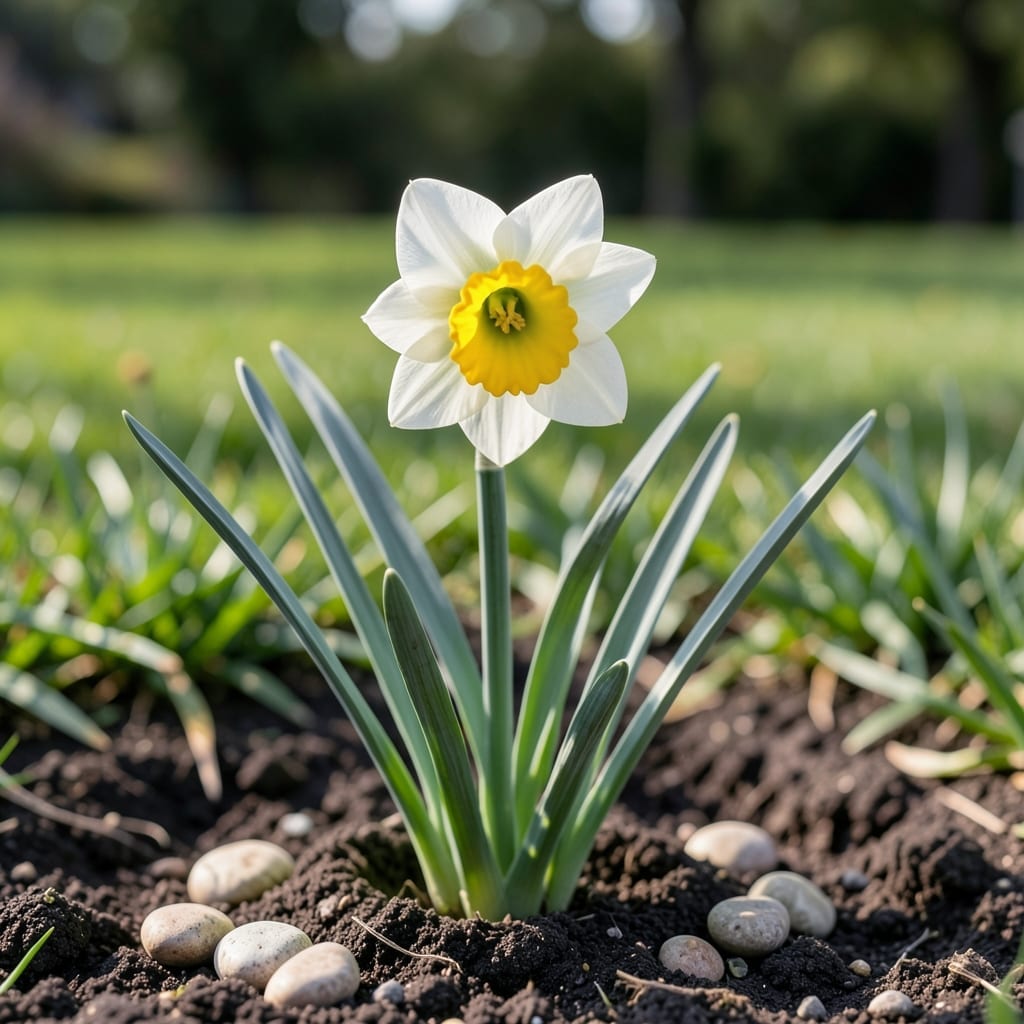
Daffodils are not annuals but perennials, returning year after year from bulbs planted in the soil. They bloom in spring, die back in summer, and regrow the following season.
I love how these flowers exemplify nature’s efficiency—their bulbs store energy during dormancy, allowing them to burst back to life each spring with minimal effort from me. This resilience makes them a gardener’s favorite for reliable color year after year. ✨
What’s fascinating is their ability to naturalize, meaning they can multiply and spread over time under the right conditions. 💫
💡 In This Article
The secret lies in their bulbs, which act like underground storage units. During summer dormancy, these bulbs conserve energy and nutrients, preparing for the next growing cycle. This energy reserve fuels the rapid spring growth when temperatures rise above 50°F. 🔥
Each bulb contains a complete embryonic flower, ready to emerge. The outer scales protect this structure while the inner scales store starches. When spring arrives, these starches convert to sugars, providing the burst of energy needed for blooming. This process explains their reliable return each year.
Winter survival is another marvel. Daffodil bulbs enter a state of suspended animation when soil temperatures drop below 40°F. They don’t freeze because the bulb’s high sugar content acts as natural antifreeze, protecting the delicate inner structures that will produce next year’s flowers. ⚡
What’s more impressive is their longevity. A single healthy bulb can continue this cycle for 5-10 years or more, with some varieties known to thrive for decades. The bulbs actually multiply underground, creating clusters that expand each season. This natural propagation means your initial planting can grow into a larger display over time. ✨
This perennial nature also makes them incredibly low-maintenance. Unlike annuals that need replanting each year, daffodils require minimal care once established. They’re practically self-sufficient, drawing all they need from their bulb reserves and the surrounding soil. 💫
Daffodil blooms typically last 1-3 weeks in spring, depending on variety and weather. Cooler temperatures extend bloom time, while heat shortens it. After flowering, foliage persists for 6 weeks to recharge the bulb.
Yes! Healthy bulbs naturally divide and create offsets over time. A single bulb can multiply into a cluster of 5-10 bulbs in 3-5 years. This process is called naturalizing and creates denser displays each season.
Common reasons include planting too shallow, cutting foliage too soon, or overcrowded bulbs. Ensure bulbs are 6-8 inches deep and let leaves yellow naturally. Divide clumps every 3-5 years for best results.
Use deep containers with drainage holes and well-draining soil. Plant bulbs 2-3 inches apart and 6 inches deep. Store pots in a cool, dark place for 12-14 weeks before bringing into light.