
Beautiful Plants For Your Interior
Beautiful Plants For Your Interior
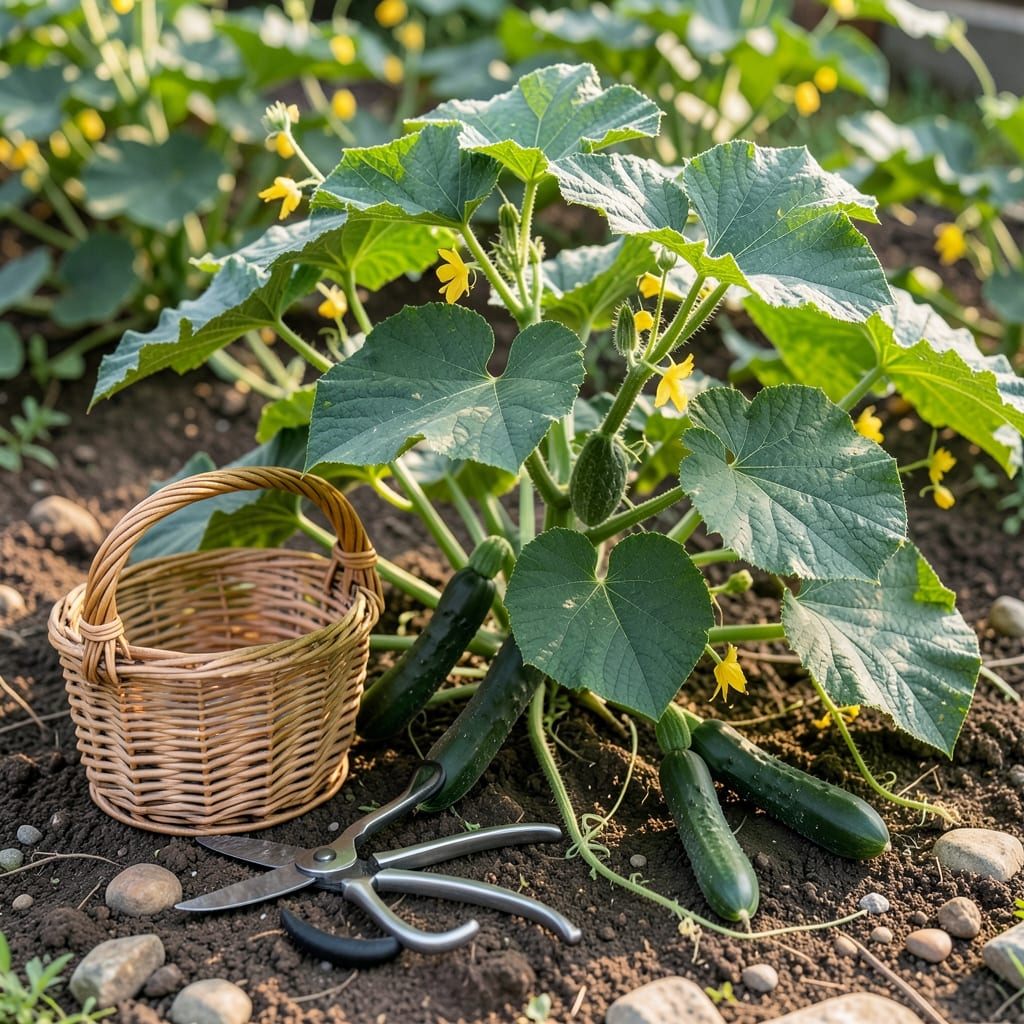
Yes, cucumbers are generally safe to eat when properly grown and prepared. However, they may contain cucurbitacins in rare cases, which can cause bitterness and toxicity if consumed in large amounts.
I’ve found that the bitter taste in cucumbers is nature’s way of warning you about potential toxic compounds. These develop under stress, like drought or poor growing conditions. 🔥 Commercial varieties are bred to minimize this, but home gardeners should always taste a small piece first—if it’s unbearably bitter, it’s best to avoid eating it.
Proper washing and peeling can further reduce risks, especially for conventionally grown produce. ✨
💡 In This Article
The bitterness in cucumbers comes from compounds called cucurbitacins, which plants produce as a natural defense. These chemicals taste extremely bitter—often described as acrid or medicinal—and can trigger nausea, vomiting, or diarrhea if ingested in high concentrations. Wild cucumbers and heirloom varieties are more likely to contain these compounds than modern hybrids. 🔥
Environmental stress is a major trigger for cucurbitacin production. Drought, inconsistent watering, or poor soil conditions can cause cucumber plants to ramp up their defense mechanisms. In fact, research shows cucurbitacin levels can spike to 10-100 times normal amounts under severe stress.
The bitter taste is actually your body’s early warning system, as cucurbitacins become detectable at concentrations as low as 1 part per million. ✨
Genetics play a crucial role too. Most commercial cucumber varieties have been selectively bred to contain minimal cucurbitacins. However, if a bitter cucumber is cross-pollinated with a wild relative, the offspring may revert to higher toxin levels. This is why gardeners should be especially cautious with saved seeds or open-pollinated varieties.
The compounds concentrate in the stems, leaves, and rind, with the flesh typically containing lower amounts.
The toxicity threshold varies by individual sensitivity, but consuming 1-2 ounces of highly bitter cucumber flesh could cause adverse effects. Children and pets are particularly vulnerable due to their smaller body size. The compounds are stable—cooking won’t neutralize them—so prevention through proper growing conditions and variety selection is key. 💫
Interestingly, cucurbitacins have a silver lining: they’re being studied for their potential anti-cancer properties in controlled medical settings. But for culinary purposes, the old adage holds true—when in doubt, throw it out. Even a mildly bitter cucumber can be unpleasant to eat, though not necessarily dangerous.
The most reliable commercial varieties have cucurbitacin levels below 0.001% by weight. ⚡
Bitterness comes from cucurbitacins, natural compounds the plant produces under stress like drought or poor soil. These act as a defense mechanism and taste extremely unpleasant.
Always do a small taste test from the stem end first. If it tastes mild and fresh, it’s safe. Discard any with medicinal or acrid bitterness, as this signals high toxin levels.
Peeling helps reduce cucurbitacins since they concentrate in the skin, but won’t eliminate them completely. The flesh can still contain traces. For store-bought varieties, peeling also removes pesticide residues.
Yes, because home gardens may experience more stress conditions. Commercial varieties are selectively bred for low cucurbitacin levels and grown under controlled conditions to minimize bitterness.